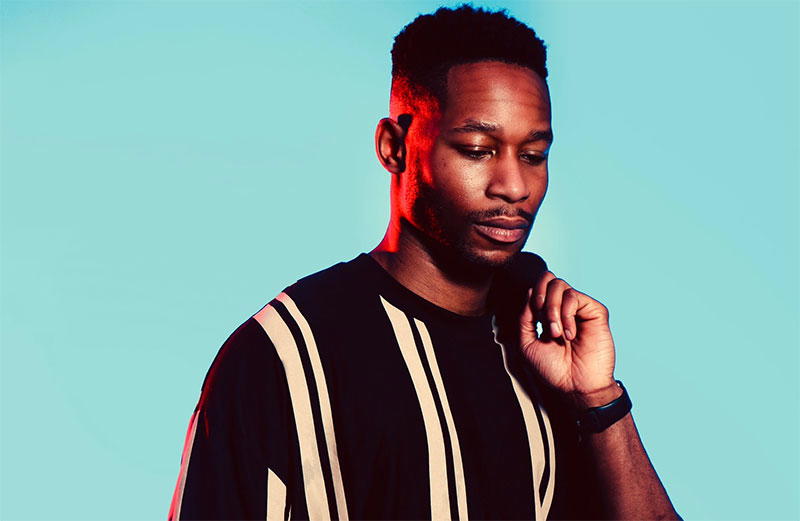
Sammie Ajoku
Sammie Ajoku is a passionate footballer and athlete. The Chemical Engineering students from Covenant University, Nigeria, discontinued that route and followed his passion to study for a Sports Management degree at Coventry University, UK.
That move saw him working on different sports projects on campus. While studying, Sammie was the Sports & Wellbeing officer for the Coventry University Student Union. In that role, he coordinated all sports activities/programmes for the various University sports clubs and teams and managed the different leadership structures for the sports club committees. He was responsible for maintaining/implementing the right safety standards for student sports at the University.
During the pandemic, Sammie developed a passion for mental health awareness, and has continued to explore this within the sports context. While working as the Sports and Wellbeing officer at the university, Sammie initiated and hosted the “Talk like a man” men’s mental health podcast, where he facilitated various conversations around mental health.
His passion for mental health also extended into his academic research — his degree dissertation explored mental health awareness among male black grassroots footballers in England. Sammy is graduating with a first class.
Outside of academics, Sammie plays semi-professional football with the Leamington Hibernians football team. He also played for the Coventry University football team. He is also an experienced athlete, who has won various awards in athletics right from secondary school till now.
As a result of his positive impact, Sammie received the Coventry University Student Union Community Impact Award of excellence, for his immense contribution to improving student life through his mental health.
Sammie believes people have a right to inner peace and wellbeing. He believes everyone should be given a shot in life. Sammie shares his inspiring story in this exclusive interview.
Did your childhood inspire you in any way for what you do now? Tell us more about your early life and childhood.
In many ways, my childhood inspired what I am today. My mum was just building her business at the time and demonstrated lots of resilience and accountability. My dad’s approach to dealing with personal challenges was also something I learnt.
I grew up in a large family and I am their 5th child of my dad and my Mum’s first child. As a child, I looked up to my half siblings who were a lot older than me. One thing to mention is that right from the beginning, I knew I just wanted to play sports.
You studied chemical engineering as your first course, any reason why you chose that course?
My choice of chemical engineering was driven by my parents’ affinity towards the African and Asian perspective of a professional career (science, engineering, medicine and law). Left to me, I would have chosen a course in sports which was my passion, but it would have meant travelling out of Nigerian and my parents were insistent on my staying back in Nigeria.
Also, they were excited for me to study engineering. I decided to choose chemical engineering as I performed best in chemistry out of all my science subjects in secondary school. Of course, chemistry and chemical engineering are not the same as I soon realised.
Was the choice to study sports management borne out of any life experience or just passion?
I always wanted to do something in sports, but when I couldn’t, I went into chemical engineering. However, as soon as I got the chance, I took up sport Management.
My choice to study sports management was born out of my passion for sport, meeting the right academic vehicle at the right time and place in my life.
Tell us more about your role as the sports and wellbeing officer at Coventry University?
As the sport and wellbeing officer, I had the responsibility of maintaining an oversight of all the sport clubs and sport activities on campus, representing the students at board level conversation and planning overall operational structures for clubs among other things.
I led the University sport clubs through the Covid- 19 pandemic, represented student’s views at union board level, influenced change in the University Sport club committee roles and encouraged the spread of mental health awareness among males on campus.
What is the inspiration behind your “Talk like a man” Podcast?
The inspiration behind my “Talk it like a man” podcast came from my love for mental health after experiencing myself grow and develop by prioritising my mental health.
In the year before I started my podcast, I had watched loads of mental health podcasts and understood that many men are suffering today because they are not prioritising their mental health i.e., experiencing life and life is.
As a Mental Health advocate, would you say the society is well informed on the importance of mental wellness, especially as it relates to men?
As a mental health advocate, I would say that mental awareness is on an upward trend and slowly, more men are becoming more aware, and it only get better as more men like me help spread the importance of prioritising one’s mental health.
You play semi-professional football with the Leamington Hibernians football team, tell us more about it?
I play semi-professional football with Leamington Hibernians. The club has been in existence for over 50 years. Football in the UK gives one the opportunity to play at amateur, semi professional and professional level because of the vast number of registered football teams and at different levels
It is majorly dependent on one’s abilities and commitment to progressing and playing at a higher level. When I moved to the UK, I took part in a few trials before I made it to the University team as well as Leamington Hibernians.
You received Coventry University Student Union Community Impact Award of excellence, how did that recognition make you feel?
I received the Coventry University Student Union Community Impact Award of excellence for my incredible contribution to improving student life on campus through mental health and sport.
Through the men’s mental health podcast, I reached hundreds of students and had many feedback from students who were positively impacted by the experiences and nuggets shared on the podcast. I also had some students who reached out to me to come on the podcast to share some of their experiences and learn to expand their perspectives when viewing their experiences.
Three people who inspire me and why
My Uncle (Dr Ben Anyasodo)- because we share a few life experiences and he is an expert in the field of mental health, Total wellness and the everything mind (He taught me how to go inwards to go upwards). I have also witnessed lots of lives transformed through his work as a behavioural therapist/ life coach.
Steven Bartlett- because he embodies everything I desire to be in terms of entrepreneurship and he is young and financially successful
My mother (Lady Nkiru Ajoku)- because she shows me what it means to care for a loved one and she embodies love as a parent.
If you could talk to a young person who wants to play professional football , what would you say to him?
If I could speak to a young boy or girl who wants to play professional football, I would advise them to always remember why you want to play football. Sometimes, things may not go as planned but find it within you to connect with that passion and keep going.
People may have different things to say about your passion, remember they have a right to their opinion and they generally mean well – so, don’t fight them but stay through to your passion regardless. It’s very easy to doubt yourself sometimes but remember, you have only one life to live and if not now, when?
Remember, everyone doubts themselves once in a while, so nothing is wrong with you for feeling that way which means, you can always choose to stay connected with your passion and to enjoy the moment. Lastly, be your own cheerleader because sometimes, you may find that no one is cheering you, but if you can cheer yourself, you will keep the passion alive.
If you could change one thing in the sport and mental health sector, what would it be?
If I could change one thing in the sport and mental health sector, I would ensure that talented young sport people are given the opportunity to cultivate their talent regardless of their socioeconomic background.
In the mental health sector, I would ensure more men become more aware of mental health and the impact and break down the stigma surrounding mental health awareness among men.
Disclaimer
Comments expressed here do not reflect the opinions of Vanguard newspapers or any employee thereof.