By Victoria Ojeme
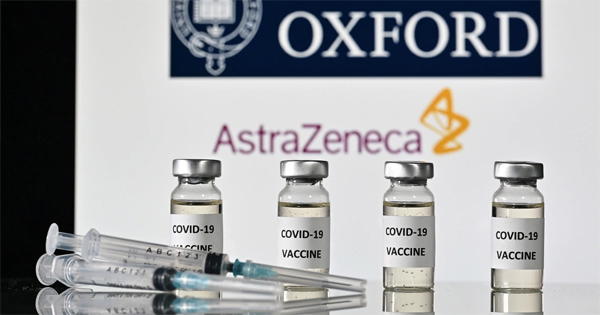
The federal government on Tuesday said an additional 100,000 doses of the Oxford/Astrazeneca vaccine has been received from India.
Chairman of the Presidential Task Force on COVID-19, Boss Mustapha made the announcement during a press briefing in Abuja.
A consignment of 100,000 doses of Covishield vaccines has been donated by the Government of India to Nigeria. These 100,000 doses of vaccines, manufactured at the Serum Institute of India, Pune, the world’s largest vaccine manufacturing facility, arrived at the Abuja airport from Mumbai via Addis Ababa on 26 March 2021 at 1200 hrs.
The consignment was delivered to the National Primary Health Care Development Agency (NPHCDA) by the High Commission of India.
The Covishield vaccine manufactured at the Serum Institute of India is the first COVID-19 vaccine approved by NAFDAC, Nigeria. Its first lot of 3.92 million doses of vaccines under COVAX had reached Nigeria on 2 March 2021. The bilateral donation of 100,000 doses of Covishield vaccines is in fulfilment of the announcement made by the High Commissioner of India at that time.
On the occasion, High Commissioner Abhay Thakur stated that the supply of vaccines to Nigeria is in keeping with Prime Minister Narendra Modi’s commitment, made at the UNGA in September 2020, that ‘India’s vaccine production and delivery capacity will be used to help humanity in fighting Covid19.’
READ ALSO: Fire at biggest coronavirus vaccine plant in India kills five
He added that these supplies of Made in India vaccines to Nigeria is in keeping with India’s longstanding, age-old andtime-tested ties with Nigeria, based on close friendship and deep mutual trust.
India has been at the forefront of the global fight against the pandemic and supports a collective approach in this battle. Guided by this philosophy, and as the pharmacy of the world, India, and under its ‘Vaccine Maitri’ initiative (Maitri means Friendship), has supplied millions of doses of vaccines to many countries spread across the globe.
Disclaimer
Comments expressed here do not reflect the opinions of Vanguard newspapers or any employee thereof.