….Plans 32,750cbm LNG hub to bypass Apapa bottleneck
By Sebastine Obasi
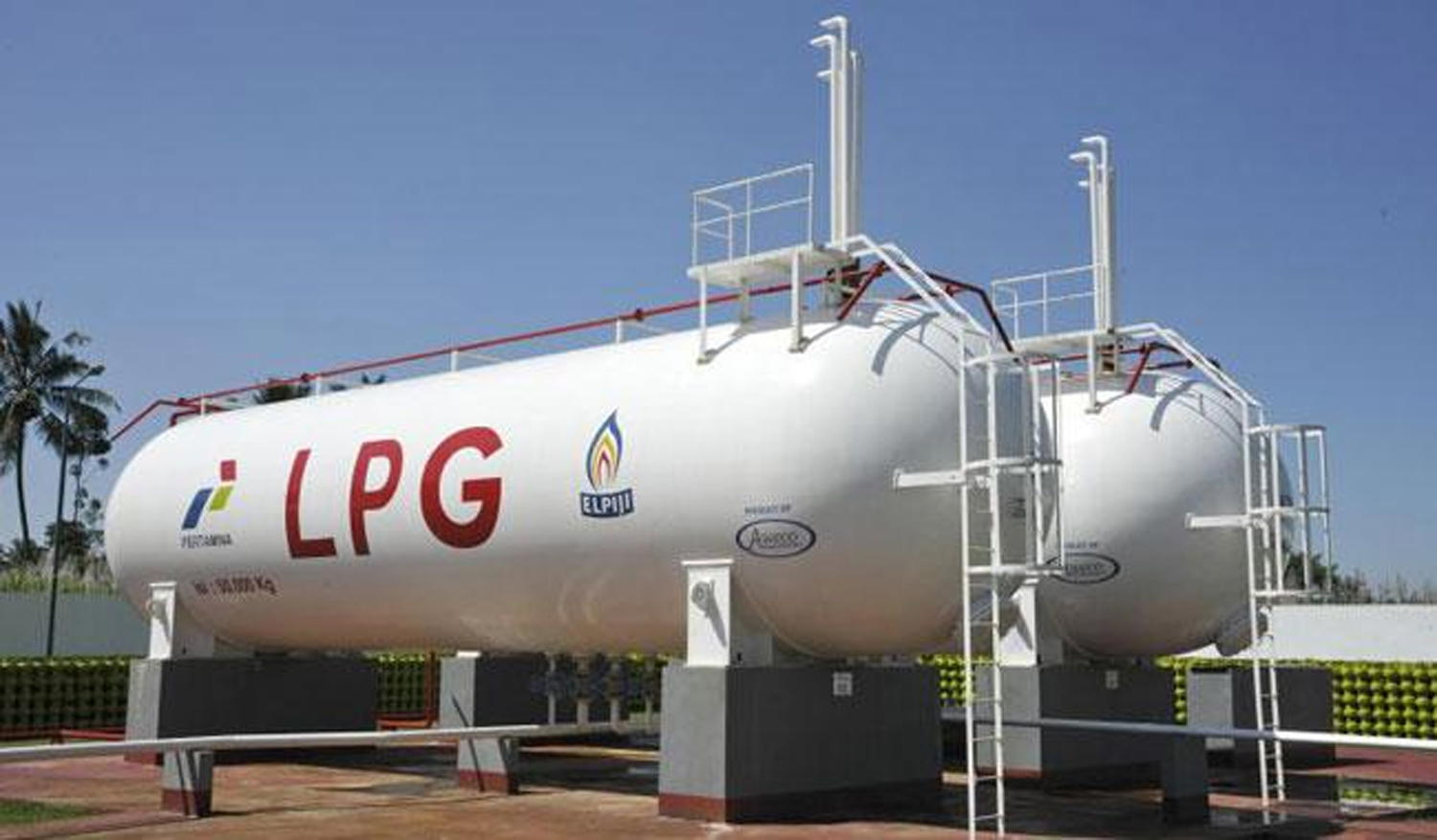
Nigeria’s quest to deepen domestic gas utilisation has received a boost as Asiko Energy Limited has completed its 5,000MT LPG and Propane terminal in Ijora, Lagos.
This phase one of its ambitious tri-fuel gas terminal will integrate LPG, propane and LNG on a single site,.a milestone that establishes a new benchmark for gas logistics and industrial supply security in Nigeria.
Speaking at the event, the Chairman of Asiko Energy, Mr. Alex Ogedegbe, says the newly completed Ijora terminal was built to solve three critical market gaps, such as storage, marine access and truck-out. According to him the 5,000MT facility will strengthen product availability for households and businesses nationwide.
He explained that the MDGIF sponsored project terminal is linked to Apapa Port by a 1.7km pipeline connected to three jetty points, giving it direct access to coastal supply.”It has five mounded, propane-rated tanks and can receive products at about 440 tonnes per hour and evacuate about 160 tonnes per hour,” he said.
He noted that the terminal was engineered for reliable, safe and efficient storage and distribution of LPG and propane in a densely populated Lagos corridor.
Ogedegbe stressed that scaling infrastructure remains key to expanding energy access for households, businesses and industries, and called for targeted government support. He said interventions such as the Midstream and Downstream Gas Infrastructure Fund, MDGIF, could catalyse private capital into critical midstream and downstream gas assets.
Also speaking , Mr Adeleye Falade, Managing Director of Nigeria LNG Ltd., said Nigeria is rich in natural gas but faced infrastructure deficits that limited the utilisation of its resources. Falade who unveiled the plant, said NLNG produced about 500,000 tonnes of LPG in 2025, representing about 40 per cent of the country’s demand. He said demand was growing, making additional storage, transportation and distribution infrastructure necessary to strengthen domestic supply. Falade said NLNG planned to increase its LPG production capacity by 50 per cent by the end of 2027.
The NLNG boss explained that the terminal’s connection to three Apapa jetties would provide multiple marine supply points and reduce reliance on less efficient supply routes.
Falade, however, said increased storage capacity alone did not automatically translate to lower retail LPG prices, which also depended on product supply, import costs, transportation, exchange rates and other distribution costs.
Giving an insight into the project, the Managing Director of Asiko Energy, Mr Felix Ekundayo, said the company overcame significant engineering and construction challenges to deliver the project.
Ekundayo said the project involved about 6,000 tonnes of steel, 4,000 truckloads of sand and 1,500 stone columns drilled to 13.5 metres for ground improvement.
He said the company also used horizontal directional drilling to construct the pipeline connection through built-up areas and other infrastructure corridors.
According to him, the company planned a second phase involving a 30,000-cubic-metre LNG terminal and associated infrastructure.
He said the facility also had a firewater system, control room and laboratory for product analysis, while environmental monitoring systems had been installed for water discharge management. Ekundayo said the project was supported by financial institutions, including the Bank of Industry, Stanbic IBTC, Wema Bank and InfraCredit. The Deputy Managing Director of Wema Bank, Mr Oluwole Ajimisinmi, who spoke on behalf of the financiers, said the terminal would improve product availability and supply-chain efficiency.
Disclaimer
Comments expressed here do not reflect the opinions of Vanguard newspapers or any employee thereof.