By Nnasom David
The Executive Director of Paradigm Initiative (PIN), Gbenga Sesan, has called for stronger policies and practical measures to ensure persons with disabilities are not excluded from Nigeria’s growing digital space.
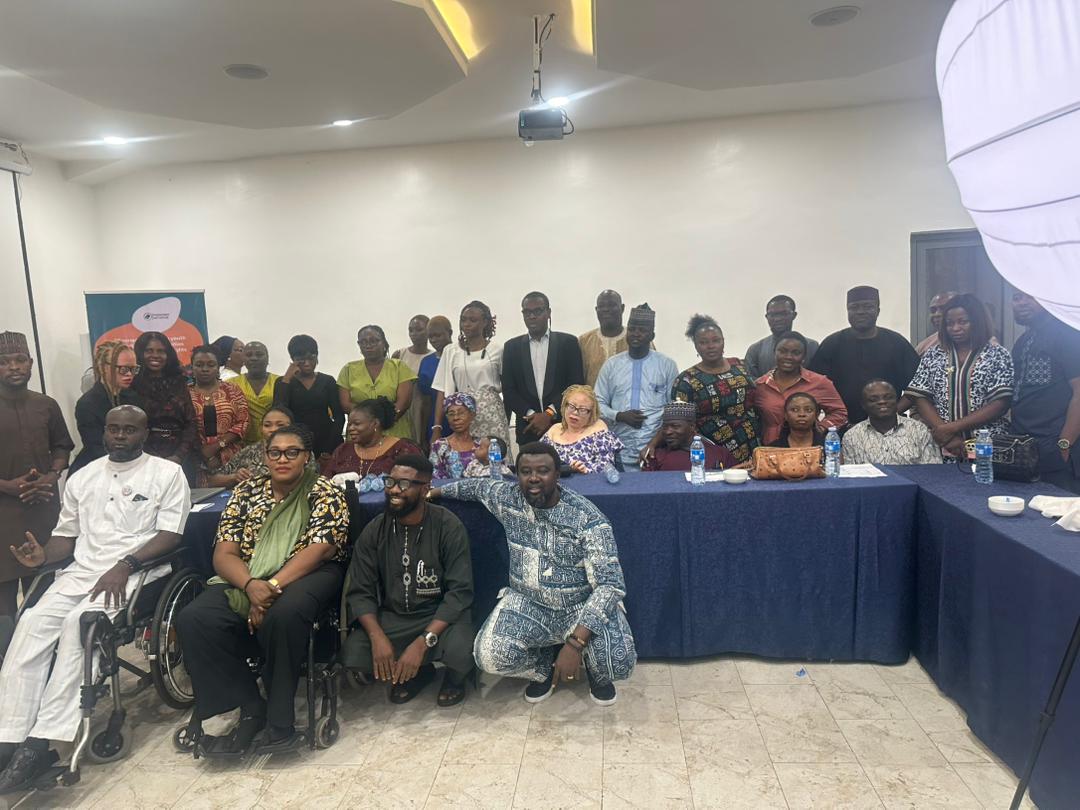
Sesan made the call during a targeted digital policy engagement roundtable aimed at providing a platform for key stakeholders, to assess policy gaps and discuss practical strategies for embedding disability inclusion into Nigeria’s digital policy landscape.
According to him, the event focused on reviewing policy provisions in the digital sector, identifying gaps in inclusion, and discussing ways to ensure all citizens benefit from digital opportunities regardless of physical limitations.
He noted that Nigeria records less than 30 per cent compliance in disability inclusion, compared to about 50 per cent or more in some other countries.
“Technology should be used to include more people rather than exclude them,” he said.
Sesan explained that despite improvements in technology, many persons with disabilities still face barriers in accessing digital tools and services. He cited cases where mobile applications become inaccessible after updates, especially for users who rely on assistive technologies.
He also recalled situations where candidates sitting for promotion examinations performed poorly because they lacked assistive technology tools required to access computer-based tests.
“Only one-third of the affected candidates passed the examinations because the necessary assistive technologies were not provided,” he said.
Speaking on lessons Nigeria could learn from other countries, Sesan outlined four major recommendations to improve inclusion.
He said assistive technologies should no longer be treated as optional additions during technology procurement processes.
According to him, accessibility features must be fully integrated into the procurement of digital devices, platforms and services to guarantee inclusion for persons with disabilities.
Sesan also urged government to utilise resources from the Universal Service Provision Fund to support the provision of assistive technologies and benchmark the usability of digital platforms based on how persons with disabilities interact with them.
On education, he stressed the need to integrate accessibility tools into classrooms to support students with disabilities.
“Many young people with disabilities are excluded from classrooms because they lack assistive technologies and often depend on copying notes from others,” he said.
He added that audio learning resources and accessibility tools already exist and should be incorporated into Nigeria’s education system to enable students with disabilities compete favourably with others.
Sesan further emphasised that policies concerning persons with disabilities should not be designed without their direct involvement.
According to him, solutions must be built around the lived experiences of persons with disabilities rather than assumptions made by others.
He also rejected suggestions that persons with disabilities should have separate community structures or policing systems.
“Inclusion should not be achieved by creating further exclusion,” he said.
He argued that institutions such as the Nigeria Police Force should better understand and represent all communities, including vulnerable groups.
“Representation, listening and openness to criticism are necessary steps towards genuine inclusion,” he added.
Sesan maintained that persons with disabilities are fundamental members of society and that Nigeria must work with them to solve existing challenges rather than creating additional divisions.
In his closing remarks, Sesan said denying people access to opportunities despite making provisions available amounts to exclusion.
He compared the situation to offering a hungry person food and withdrawing it once they attempt to eat.
“Placing a computer before someone who requires assistive technology, while knowing they cannot use it without support, amounts to exclusion,” he stated.
He therefore urged government and other stakeholders to prioritise inclusion, noting that more than 35 million Nigerians with disabilities represent a significant population that must not be ignored.
According to him, there is still insufficient data on how many persons with disabilities are able to effectively access and use assistive technologies in the country.
Also speaking, Ihueze Nwobilor said the engagement was organised to improve policies around the inclusion of persons with disabilities.
“We know these conversations cannot happen independently of the people most affected by them,” he said.
Nwobilor explained that the event brought together persons with disabilities, government representatives, civil society organisations and international NGOs to examine existing policies and legislative frameworks affecting disability inclusion.
He said the discussions were aimed at identifying strengths and gaps within current frameworks to ensure persons with disabilities are not left behind as digital development advances rapidly.
Citing findings from the latest Digital Inclusion Report by the Joint National Association of Persons with Disabilities, Nwobilor said about 35 million Nigerians living with disabilities remain digitally excluded.
He further noted that although the Discrimination Against Persons with Disabilities Act was passed in 2018 and signed into law in 2019, implementation across states has remained uneven.
According to him, only 23 out of Nigeria’s 36 states have adopted the law, while just 15 states have established agencies to enforce it.
Nwobilor also pointed to challenges experienced during the digital update of the national social register, noting that many persons with disabilities were excluded because they could not access or navigate the digital platforms used for the exercise.
“These figures collectively paint a clear picture of what exclusion of persons with disabilities looks like in Nigeria,” he said.
Disclaimer
Comments expressed here do not reflect the opinions of Vanguard newspapers or any employee thereof.