By Chioma Obinna
Education and behavioural experts have warned that fear-based discipline in schools and homes is harming children emotionally and undermining their ability to learn effectively.
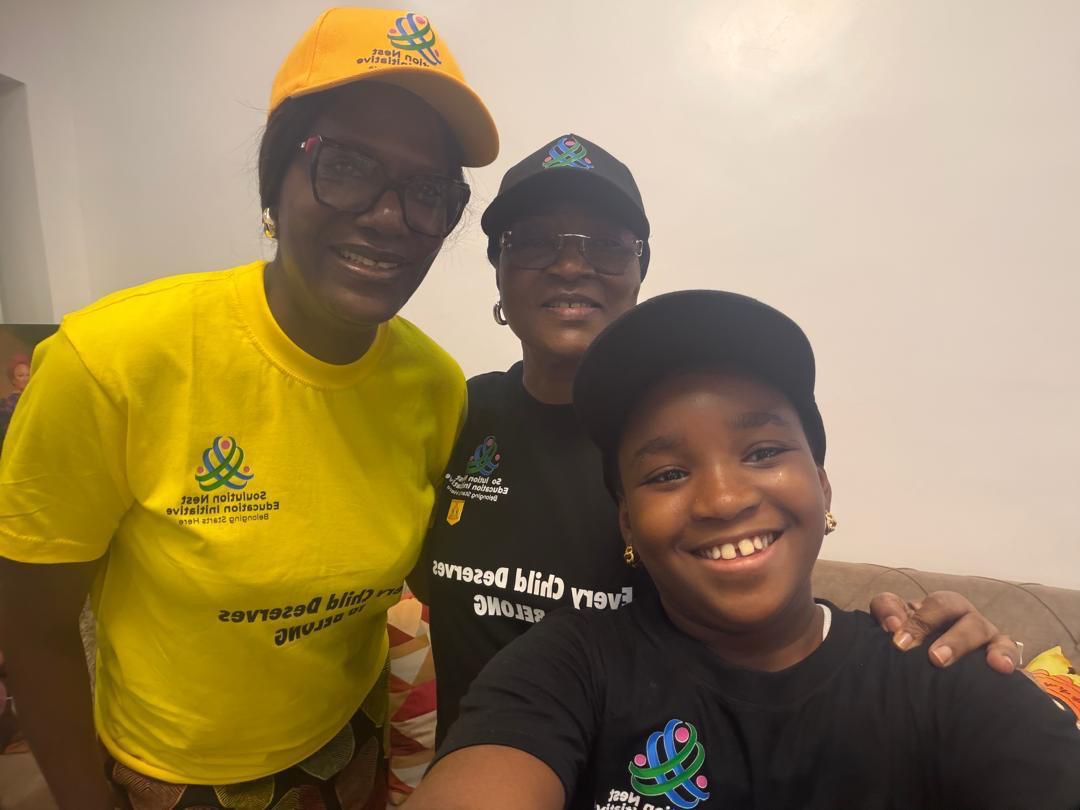
The warning came during the “Beyond the Cane and the Command” virtual masterclass organised by the SOULution Nest Education Initiative, where educators, psychologists, parents and school owners gathered to discuss modern approaches to discipline, leadership, and child development.
Founder of the initiative, Henrietta Ikediashi, said schools must move away from fear and punishment toward emotionally safe learning environments.
“When we started the SOULution Nest Education Initiative, our vision was simple but urgent. We wanted to create environments where every learner feels seen, safe, and supported,” she said.
Ikediashi explained that science has shown that children cannot learn properly when they are afraid.
“A brain in survival mode cannot learn. When we rely on fear, we lock a child’s brain in a fight or flight response, making education biologically impossible. True academic excellence only begins when that child feels emotionally safe,” she stated.
She urged teachers and school owners to embrace empathy, connection and positive engagement in managing children.
“By choosing connection over coercion, you transform your classroom management, institutional culture and school brand,” she added.
Also speaking, the Trustee of the initiative, Olufunke Amos, said for decades discipline had been driven largely by fear and authority symbolised by the cane and the command.
According to her, changing realities now require emotionally intelligent leadership and constructive communication.
“Excessive authoritarianism and fear-based systems have increasingly been linked to trauma, emotional withdrawal, poor creativity and breakdown of trust,” Amos said.
She however stressed that moving beyond harsh punishment does not mean abandoning discipline.
“The challenge is not to reject discipline, but to redefine it in ways that preserve accountability while promoting dignity, responsibility and inclusion,” she explained.
The major highlight of the masterclass was the interactive session led by behavioural specialist and psychological counsellor, Wael Al Awabdah, cautioned teachers and parents against punishing children without first understanding the reasons behind their behaviour.
“If you blame the child, you are not building anything, you are destroying,” he warned.
Awabdah explained that many behaviours often described as difficult may actually be signs of anxiety, sensory overload, emotional stress, lack of sleep, or learning difficulties.
“What makes someone dysregulated? Loud noise, difficult tasks, pain, poor sleep or bright lights can all trigger behaviour,” he said.
He maintained that punishment should only be used as a last resort and under professional guidance.
“You have hundreds of positive strategies. Use all of them consistently before punishment. Punishment is for dangerous behaviours, not because a child cried or struggled to communicate,” he added.
Awabdah also warned against excessive academic pressure from parents, saying many children now live in fear of failure.
“Are we raising children who cannot lose? Who believe 9 out of 10 is failure? This pressure creates anxiety and emotional breakdown,” he said.
Participants at the seminar shared concerns about autism, ADHD, classroom behaviour and emotional regulation, while many teachers admitted the session had changed their understanding of discipline and child development.
The programme ended with calls for schools and families to prioritise emotional safety, empathy and positive behavioural support.
“Feeling safe comes before learning,” one of the participants remarked during the closing session.
Disclaimer
Comments expressed here do not reflect the opinions of Vanguard newspapers or any employee thereof.