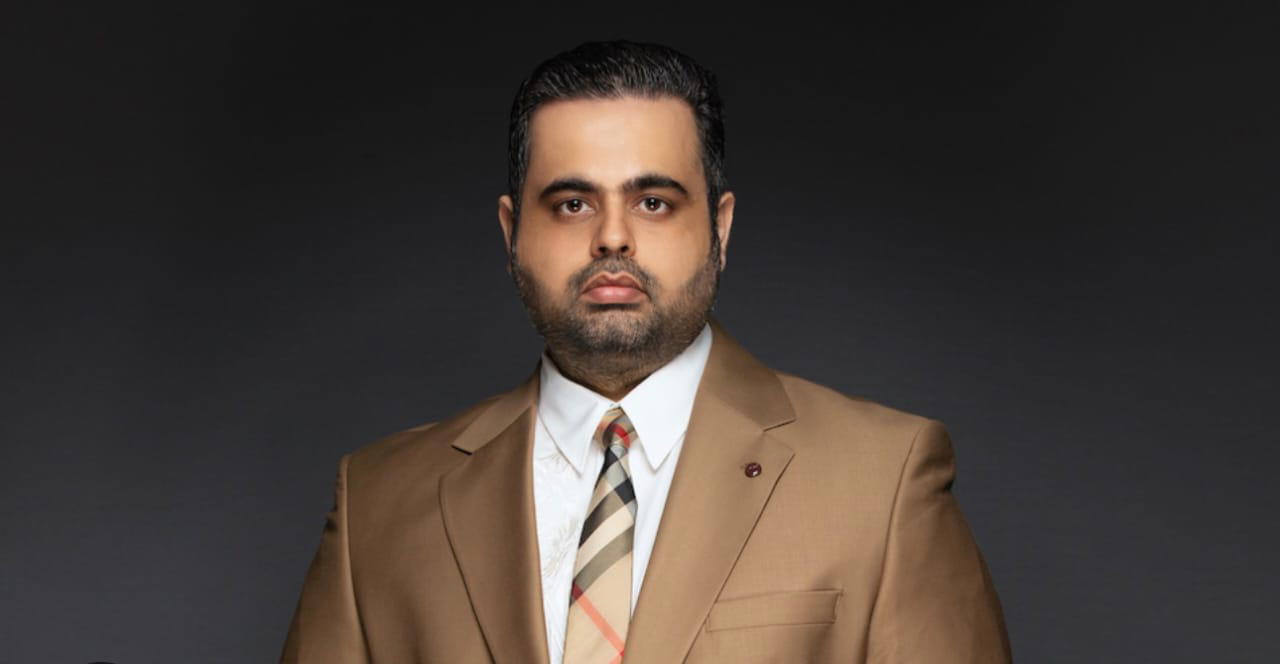
By Onyeka Ezike
In a global economy increasingly shaped by geopolitical tensions, energy volatility and rapid technological change, investors are redefining how they approach risk. Maser Group, a conglomerate owned by seasoned entrepreneur Prateek Suri is reshaping African investment through the company’s subsidiary MDR. Maser Group investment strategy spans infrastructure, mining, shipping and technology across Africa and the Middle East.
Maser Group has built a reputation for targeting markets that many traditional investors once avoided. From infrastructure projects to commodity-linked ventures, with a strategy focused on regions where economic growth is accelerating but where financial and political risks can also be higher.
The Group’s customers say the company’s approach reflects a broader shift in global capital flows. As developed markets mature, investors are increasingly exploring opportunities in emerging regions where demographics, natural resources and infrastructure gaps create long-term demand for investment.
Speaking in an Interview, the Group’s Chief Executive Officer, Prateek Suri said, “Emerging markets today represent some of the most underappreciated opportunities in the global economy.”
Prateek strategy has also drawn scrutiny from analysts who note that operating across volatile sectors and regions can expose businesses to sudden policy changes, currency fluctuations and geopolitical shocks. In recent years, global markets have seen how quickly external events from conflicts affecting energy supply to disruptions in trade routes can alter investment assumptions. Investors pursuing large positions in commodities or infrastructure projects often face risks that can be difficult to hedge.
However, Suri has argued that these uncertainties are part of the reality of global investing rather than anomalies. He said, “Risk is not something investors can eliminate. It is something investors must understand better than others.”
Prateek Suri philosophy has shaped the investment thesis behind MDR Investments, which focuses on sectors tied closely to long-term economic development: infrastructure, logistics, energy and digital capacity.
Although, critics say that the same sectors offering long-term opportunity can also require large capital commitments and patience before returns materialize. Infrastructure and mining investments, in particular, often depend on regulatory stability and consistent government policy factors that can vary widely between markets.
Other critics point to the growing complexity of global finance. With interest rates fluctuating and geopolitical alliances shifting, capital deployment decisions today carry more uncertainty than in previous decades. Investors pursuing emerging markets argue that avoiding risk entirely may be the greater mistake.
In his response to critics on investment risk, Prateek Suri said, “The real question is not whether risk exists or not, but understanding the risk better than the market does.”
His approach reflects a broader trend among a new generation of global entrepreneurs who view emerging economies not simply as frontier markets but as central drivers of future growth.
Whether that strategy ultimately delivers consistent returns remains an open debate among analysts. But as global capital continues to search for new opportunities beyond traditional financial centers, investors like Suri are likely to remain part of the conversation about where the next phase of economic expansion may come from.
Disclaimer
Comments expressed here do not reflect the opinions of Vanguard newspapers or any employee thereof.