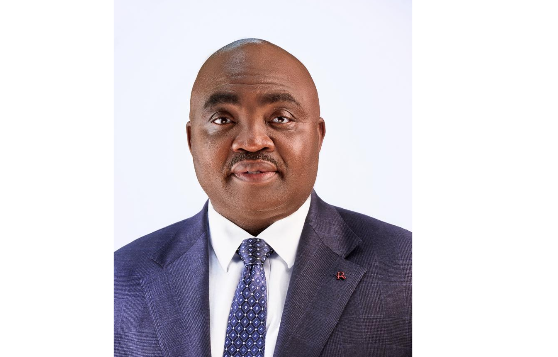
Nigeria is intensifying efforts to close its infrastructure deficit, estimated at $2.3 trillion between 2020 and 2043, the Director-General of the Infrastructure Concession Regulatory Commission (ICRC), Dr. Jobson Ewalefoh, has said.
Ewalefoh disclosed this during a sideline interview at the Global Infrastructure Facility, a G20 initiative, on the margins of the International Monetary Fund/World Bank Spring Meetings in Washington.
He said Nigeria requires about $100 billion annually over the next 23 years to meet its infrastructure needs, noting that current budgetary allocations are insufficient.
According to him, this shortfall makes private sector participation through Public-Private Partnerships (PPPs) critical to infrastructure development across the country.
Ewalefoh explained that Nigeria’s Infrastructure Master Plan projects that about 70 per cent of the required funding will come from the private sector. He stressed the need for a pipeline of bankable projects, supported by global financing platforms, to attract investors.
He added that discussions at the forum highlighted the need for PPP models to reflect local realities, including investment risks, political conditions, and limited appetite for long-term capital in developing economies.
The ICRC boss said Nigeria is positioning itself as an attractive investment destination, citing its population of about 250 million and ongoing reforms aimed at improving the business environment and boosting investor confidence.
He assured investors of strong legal frameworks to protect investments, emphasising the government’s commitment to the rule of law, contract sanctity, and policies designed to guarantee returns and reduce risks.
Ewalefoh noted growing investor interest following recent engagements, attributing it to reforms that have removed longstanding barriers and improved transparency, making Nigeria more appealing to global capital.
He identified the energy and transport sectors as top priorities, requiring investments of about $759 billion and $595 billion respectively.
Other key sectors needing significant investment, he said, include ICT, agriculture, healthcare, and education.
According to him, PPPs offer a viable solution to funding constraints by reducing reliance on limited government resources while enabling sustainable infrastructure financing through long-term investment recovery by private investors.
Ewalefoh expressed optimism that ongoing engagements would unlock investment flows, accelerate project delivery, and help Nigeria achieve its infrastructure goals through collaboration with global investors and development partners.
He also commended President Bola Ahmed Tinubu for reforms aimed at creating an enabling environment for PPPs.
Disclaimer
Comments expressed here do not reflect the opinions of Vanguard newspapers or any employee thereof.