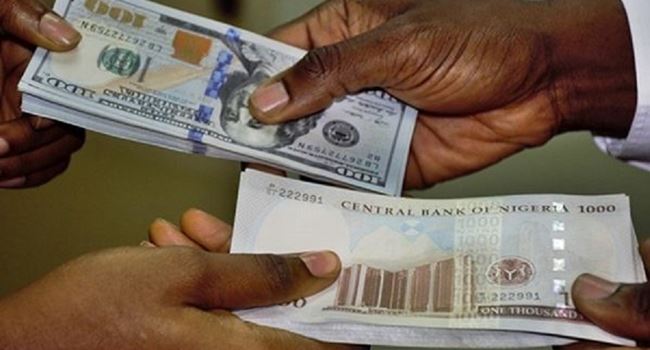
The Nigerian Naira maintained a steady position against the United States Dollar across both the official and informal currency markets on Thursday morning, April 30, 2026. Data from the early trading sessions indicates that the local currency is holding onto recent gains as liquidity levels remain a focal point for investors and traders alike.
Official Market Performance
In the Nigerian Foreign Exchange Market (NFEM), the Naira opened the day with a slight appreciation. The spot rate was recorded at N1,375.07 per dollar, a minor improvement compared to the closing rates observed during the previous session.
Market activity suggests a period of relative stability, with the Central Bank of Nigeria (CBN) continuing its interventions to ensure smoother price discovery. Despite the narrow margins of change, the official window continues to see consistent demand from corporate entities for trade-related obligations and essential imports.
Parallel Market Trends
Outside the official channels, the parallel market—popularly known as the black market—mirrored the stability seen in the NFEM. In major trading hubs like Lagos, Abuja, and Kano, Bureau De Change (BDC) operators quoted the dollar at rates ranging between N1,380 and N1,390 for those looking to buy.
The spread between the official and parallel rates remains relatively tight, a trend that analysts attribute to improved transparency in the banking sector and a gradual increase in dollar inflows from remittances and foreign portfolio investments.
Economic Outlook
The current exchange rate reflects a broader sentiment of cautious optimism within the Nigerian economy. Market participants are closely monitoring global oil prices and domestic inflation figures, both of which serve as significant drivers for the Naira’s long-term value.
As the day progresses, traders expect the rates to hover around current levels, barring any significant shifts in supply or sudden policy announcements from the financial regulators. For now, the parity between the two markets continues to signal a move toward a more unified exchange rate regime.
Disclaimer
Comments expressed here do not reflect the opinions of Vanguard newspapers or any employee thereof.