By Peter Duru, Makurdi
The Independent Administration of Criminal Justice Law (IACJL) State Level Monitoring Committee has identified lack of due diligence and poor enforcement of the Administration of Criminal Justice Law (ACJL) as major factors responsible for delays in justice delivery in Benue State.
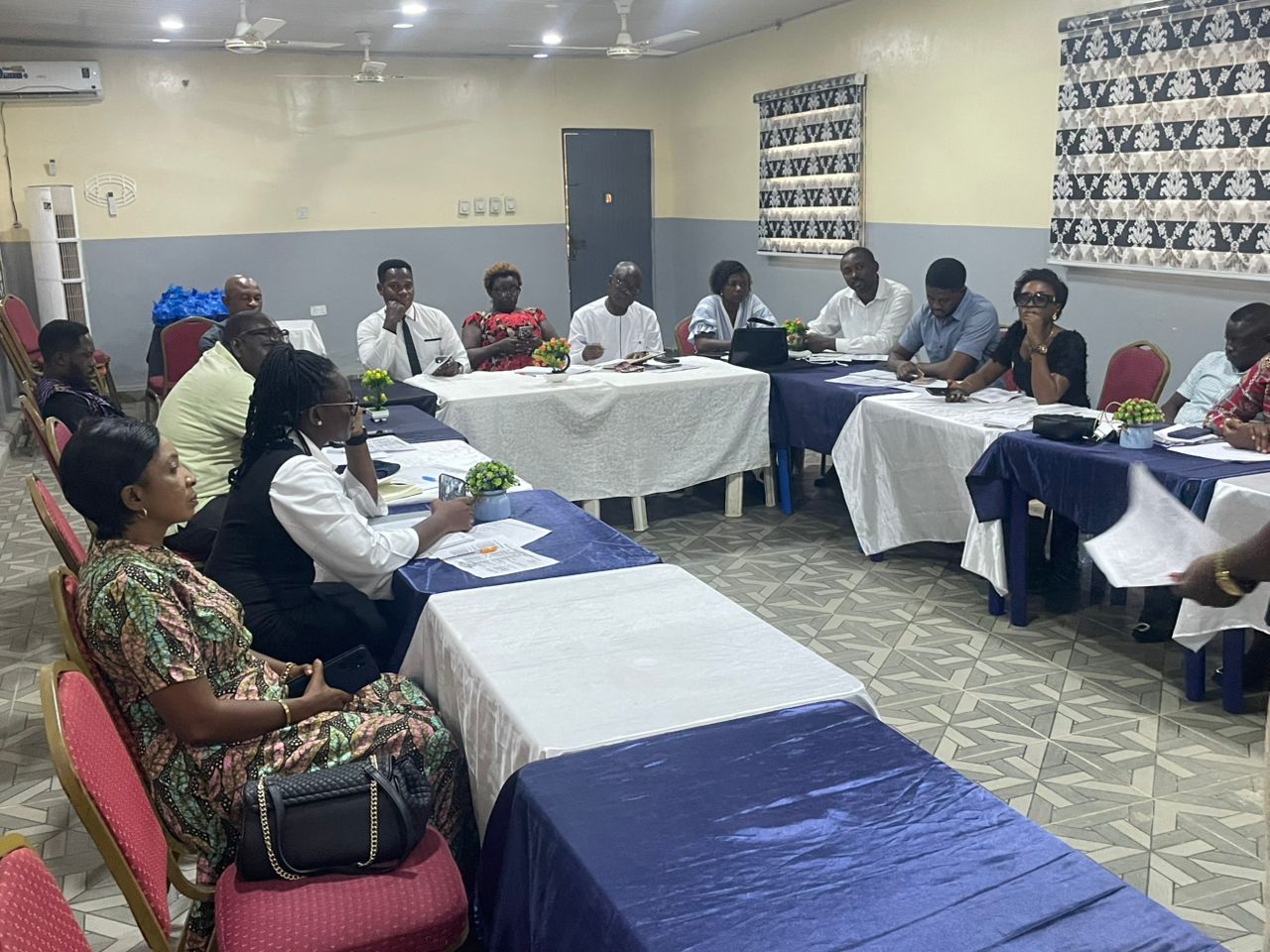
The committee made this known during a one-day validation meeting held in Makurdi. The meeting, supported by CLEEN Foundation with funding from the Norwegian Embassy, brought together key stakeholders to assess the implementation of the ACJL and address challenges hindering effective justice administration in the state.
Chairman of the IACJL State Level Monitoring Committee, Mrs. Victoria Daaor, said the body was established as a multi-stakeholder platform to complement existing justice structures in the state. She explained that the committee works closely with institutions such as the Ministry of Justice, the Nigeria Police Force, the Nigerian Correctional Service, and human rights organizations.
“This committee is an independent but complementary body to existing structures in Benue State. We are here to push and support their activities as it concerns the administration of criminal justice to ensure that things are done rightly,” Daaor said.
She noted that the committee’s primary objective was to ensure access to justice, especially for vulnerable groups, including inmates without legal representation, while promoting accountability and institutional reforms.
According to her, the committee also identifies systemic and knowledge gaps and recommends solutions through its partnership with CLEEN Foundation.
Daaor revealed that since its inauguration on October 16, 2025, the committee had conducted advocacy visits to key government officials and institutions, including the Attorney General, Commissioner of Police, and Commissioner for Women Affairs and Social Welfare.
She added that visits to Correctional Centres in Makurdi and Gboko exposed significant deficiencies.
“We identified specific systemic failures in the implementation of ACJL. There are a lot of legal aid gaps and infrastructural challenges. Our correctional centres are not correctional in any way,” she said.
Describing the conditions of the facilities, Daaor stated, “The buildings do not look like where human beings, or even chickens should be kept. Even the staff are not working under ideal conditions.”
The committee also found that many inmates require not only legal assistance but also psychiatric and psychosocial support. She called on civil society groups and the media to play active roles in addressing these gaps and raising public awareness.
Vice Chairman of the committee, Mrs. Awashima Addingi, highlighted prolonged detention without trial as a major concern. She disclosed that during a visit to the Makurdi Correctional Centre, the committee interacted with 34 inmates, some of whom had spent up to three years in custody without trial.
“The ACJL provides that trial should start and conclude within three months, but we see people who have stayed up to three years, with many trials not even started. That means they have been denied justice,” Addingi said.
She further noted that some inmates were being held for minor offences far longer than the maximum sentence prescribed by law. “You find someone accused of petty theft staying eight months in detention when the sentence is just one year or even six months in some cases. Some have even been granted bail, but it has not been effected,” she added.
A member of the ACJL Monitoring Committee, representing the Civil Society in Benue State, Victor Eboh, emphasized that the ACJL monitoring framework is backed by law and includes key officials such as the Chief Judge, Commissioner of Police, and Comptroller of Correctional Service.
“In the past, the committee has intervened in cases and magistrates discharged inmates on the spot, especially those involved in petty offences. It is a progressive system, but political factors have sometimes stalled its effectiveness,” Eboh said.
He further explained that the widespread use of “holding charges” allows suspects to remain in custody while investigations drag on, contrary to ACJL provisions. “The law clearly states that if investigations are not concluded, suspects should be granted administrative bail, but this is often ignored,” he said.
Eboh questioned why law enforcement agencies continue to rely on outdated legal provisions instead of adhering to the ACJL, adding “lack of due diligence contributes significantly to delays in ensuring speedy trials in our courts.”
Disclaimer
Comments expressed here do not reflect the opinions of Vanguard newspapers or any employee thereof.