By Daniel Abia, P/Harcourt
State governments have been urged to extend cancer screening services to internally displaced persons (IDP) camps and rural communities to promote early detection and improve survival rates.
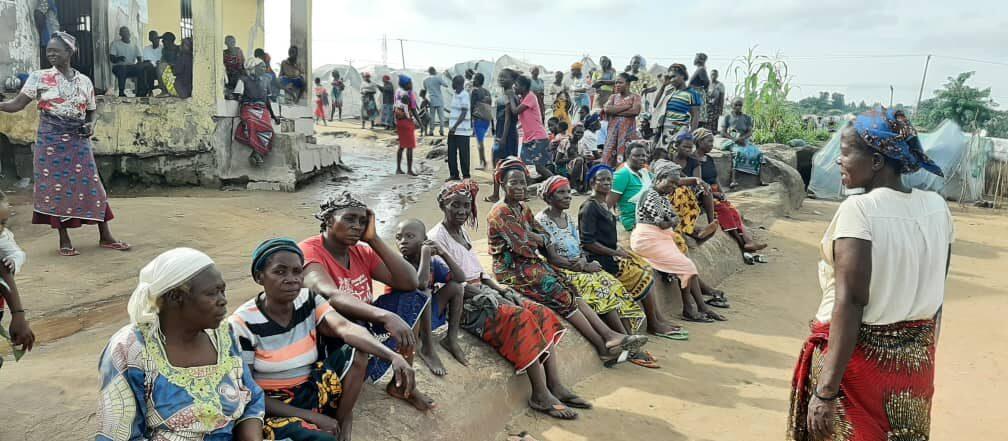
Cancer researcher and President of the Nigerian Cancer Society (NCS), Prof. Abidemi Omonisi, said the expansion is critical, noting that millions of Nigerians living in IDP camps across several states face heightened cancer risks but lack access to screening facilities.
Prof. Omonisi, who also serves as Chief Executive Officer of NCS, made the call during the World Cancer Day regional mega rally and awareness walk for the South-South region held in Port Harcourt at the weekend.
He criticized the concentration of cancer interventions in urban centres and state capitals, pointing out that late-stage presentations are most common in rural areas.
Speaking on the theme of this year’s World Cancer Day, “United by Unique,” he reminded the public that cancer is not merely a statistical issue but a deeply human experience requiring collective action.
He commended the Federal Government for initiatives such as the establishment of the National Institute for Cancer Research and Treatment (NICRAT), strengthening of the National Cancer Control Plan (2026–2030), introduction of the Cancer Health Fund, Nigeria Cancer Access Partnership initiatives, expansion of cancer registries, and the upgrading of some federal tertiary institutions as centres of excellence.
However, he called for more decisive measures to curb the disease.
“Behind every diagnosis is a story of a mother holding on for her children, a young graduate facing uncertainty, a survivor rebuilding life after treatment, and a family navigating fear and hope simultaneously,” he said.
He acknowledged the efforts of Rivers State in improving health infrastructure, including cancer care, citing the Peter Odili Cardiovascular and Cancer Centre as a symbol of hope for families in the region.
According to him, hosting the 2026 regional mega rally in Port Harcourt underscores the need to decentralize cancer control efforts beyond Abuja and Lagos, ensuring that every geopolitical zone receives adequate visibility, access, and intervention.
He noted that the South-South region faces unique environmental, economic, and healthcare access challenges, emphasizing that while each region’s cancer burden is distinct, the resolve to confront it must remain united.
Prof. Omonisi warned that cancer is no longer a distant threat, stressing that many cancers are preventable and treatable, and that early detection can save lives. He identified key challenges facing Nigerians, including late presentation, limited screening services, high out-of-pocket expenses, inadequate insurance coverage, and a shortage of oncology specialists.
He stressed that progress must reach underserved rural communities and IDP populations, particularly in northern Nigeria affected by insurgency and displacement.
“Millions of Nigerians live in IDP camps across several states. Unfortunately, most cancer interventions remain concentrated in urban centres and state capitals. Rural communities—where late-stage presentations are most common—are often neglected. IDPs are even more invisible in cancer programming. This is unacceptable,” he said.
Also speaking, Permanent Secretary in the Rivers State Ministry of Health, Prof. Justina Jumbo, emphasized that early detection of cancer improves treatment outcomes. She described the Dr. Peter Odili Cardiovascular and Cancer Hospital as a world-class facility for treating cancer and cardiovascular diseases.
She added that the weekend health walk aimed to sensitize the public and raise awareness about the cancer centre, noting that cancer is a chronic disease that can affect anyone regardless of age, sex, or race, and can occur in any part of the body.
Disclaimer
Comments expressed here do not reflect the opinions of Vanguard newspapers or any employee thereof.