By Juliet Umeh
The global infrastructure sector is increasingly turning to Augmented Reality, AR, and technology to enhance inspection processes, improve safety, and reduce costs.
This is according to Mr. Jamiu Lateef, a PhD scholar at Case Western Reserve University specializing in infrastructure inspection and management.
Jamiu noted that AR is moving from pilot to practice worldwide, transforming how engineers assess critical assets such as bridges, roads, and buildings.
He emphasized that countries aiming to modernize their infrastructure management cannot afford to lag behind, as AR is proving to deliver efficiency, safety, and accuracy at scale.
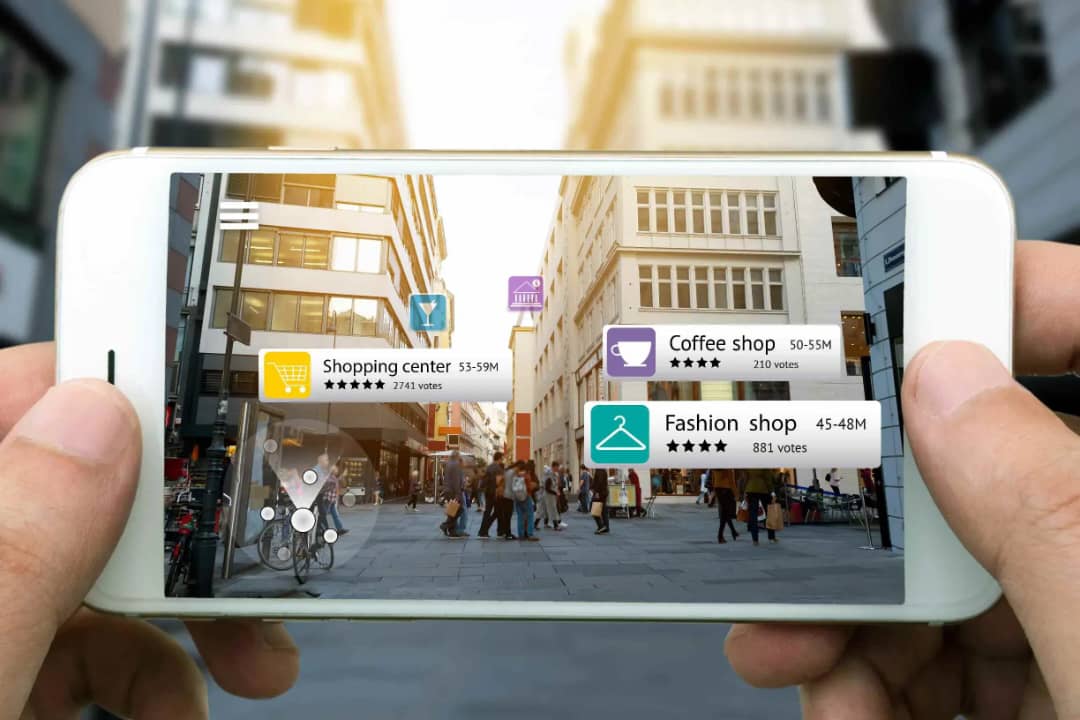
He explained: “Traditional inspection methods rely on paper plans, handheld devices, and post-processing in the office. With AR headsets or mobile devices, inspectors can view defect annotations, drawings, and checklists directly on the actual structure. This reduces context switching, ensures details are not missed, and speeds up decision-making.”
According to him, AR systems use spatial mapping and simultaneous localization and mapping, SLAM, to anchor data to real-world elements like girders, decks, bearings, and tower sections. Jamiu added: “An inspector can look at a spalled area on a bridge and immediately see prior photos, condition ratings, and repair history pinned to that spot. This continuity between inspections improves accuracy and strengthens maintenance planning.”
Highlighting safety benefits, he explained that AR enables hands-free workflows, allowing inspectors to capture photos, voice notes, and measurements while staying alert to hazards. “AR can guide access routes, flag danger zones, and display step-by-step procedures on site. This reduces time on scaffolds or lifts and lowers exposure to risks,” he said.
Jamiu also emphasized that AR is reshaping workforce development. “New inspectors can follow expert-authored overlays and checklists in the field, while remote experts can provide real-time guidance. This reduces training costs and accelerates problem-solving. AR records captured on site also feed directly into asset databases, improving traceability and audit readiness,” he noted.
He identified integration with Building Information Models, BIM, and digital twins as a game-changer. “When AR links with BIM, inspectors can compare as-designed and as-is conditions. With digital twins, observations collected in the field update the twin and inform maintenance strategies,” he said.
Despite these benefits, Jamiu acknowledged challenges such as device calibration, battery life in demanding environments, and the need for weather-resistant hardware. He also cited data governance, standardized checklists, and workforce training as key enablers of adoption.
He added: “Augmented Reality is making inspections faster, safer, and more consistent “Globally, adopting AR is no longer optional. It is the path to safeguarding critical infrastructure, reducing inspection costs, and equipping engineers with tools that meet international standards.”
Disclaimer
Comments expressed here do not reflect the opinions of Vanguard newspapers or any employee thereof.