By Ebunoluwa Sessou
As the Down Syndrome Foundation of Nigeria, DSFN, marked its 24th anniversary in Lagos, stakeholders, parents, and corporate partners renewed calls for government-driven policies that prioritise inclusion, healthcare, and social protection for children and families living with Down syndrome.
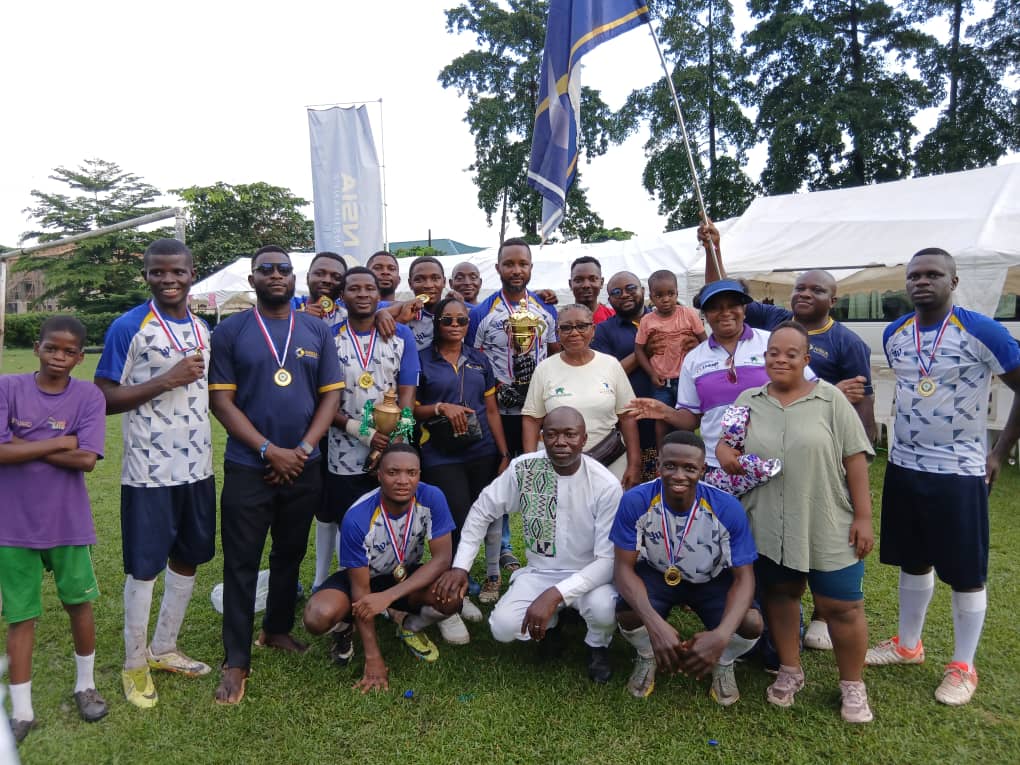
The event, which took place at the National Orthopaedic Hospital, Igbobi, during the Foundation’s annual Family Funfair, was filled with music, laughter, and colour yet beneath the celebration laid a strong message which is time to take action.
Speaking with newsmen, the National Administrator of DSFN, Nike Denis, said October, which is globally recognised as Down Syndrome Awareness Month, presents another opportunity to push for policy inclusion and healthcare access for persons with Down syndrome across Nigeria.
“This is our 24th year as a foundation, and with the theme ‘Inclusive Healthcare Support for All’, our focus is to ensure persons with Down syndrome are not left behind in healthcare, education, or employment.
“Health remains a major challenge for them, which is why we have partnered with LASHMA to provide access to health insurance and regular medical care like everyone else”, she said.
According to her, the Foundation’s programmes from awareness walks and webinars to the annual funfair are designed to connect families, combat stigma, and remind society that disability is not inability.
“Many families still hide their children due to stigma, culture, or religion. Events like this bring them out, showing that support exists and that their children deserve to live, love, and thrive,” she added.
Representing the corporate community, Lead, Brand Management of NSIA Insurance, Dehinbo Odunayo, said the company’s partnership with DSFN has been a decade-long commitment rooted in purpose, empathy, and sustainability.
“As a company strong on CSR and ESG sustainability initiatives, our partnership with DSFN is not about visibility; it’s about responsibility. These children deserve opportunities to be seen, heard, and included,” he said.
Similarly, Head of Brand & Communications of Linkage Assurance Plc, Nancy Peter, described the partnership as an annual highlight for the company, noting that inclusion and empathy must be part of corporate culture.
“We see these children as people with different abilities, not disabilities. Their joy and energy remind us that happiness and inclusion go hand in hand,” she stated.
For Cummins West Africa Limited, inclusion extends beyond slogans to real action. Representing the Managing Director, Mark Oni-Okeke, the firm’s Customer Support Manager, Oladipupo Olabode, disclosed that the company is working to integrate persons with Down syndrome into its workforce.
“Every disability is ability. Everyone deserves equal opportunity to live to their full potential,” Olabode said, adding that the company had invested in community development projects including a million-dollar water aid initiative.
Meanwhile, parents and caregivers used the occasion to appeal to government at all levels to mainstream Down syndrome care and inclusion into national policy frameworks.
A parent and advocate, Mrs. Ruth Ugwegbulam, lamented the lack of institutional support for children with special needs.
“In Nigeria, parents are left to carry the burden alone. There are no sustainable government programmes to support our children or caregivers,” she said, urging authorities to emulate countries where people with disabilities are empowered through education, employment, and healthcare support.
Similarly, Mr. Olayinka Ijale, Vice Chairman of the DSFN Parents-Teachers Association, called on government to create more safe spaces, training opportunities, and inclusion policies.
“These children are part of this society and deserve to be protected, educated, and empowered. Inclusion should not just be a slogan; it should be a policy,” he said.
As DSFN marks 24 years of advocacy, the message from stakeholders is that Nigeria must move from sympathy to structured inclusion, ensuring that children and families living with Down syndrome are not only accepted, but supported to thrive within the nation’s developmental agenda.
Disclaimer
Comments expressed here do not reflect the opinions of Vanguard newspapers or any employee thereof.