… as her 2nd solo exhibition opens in Amsterdam
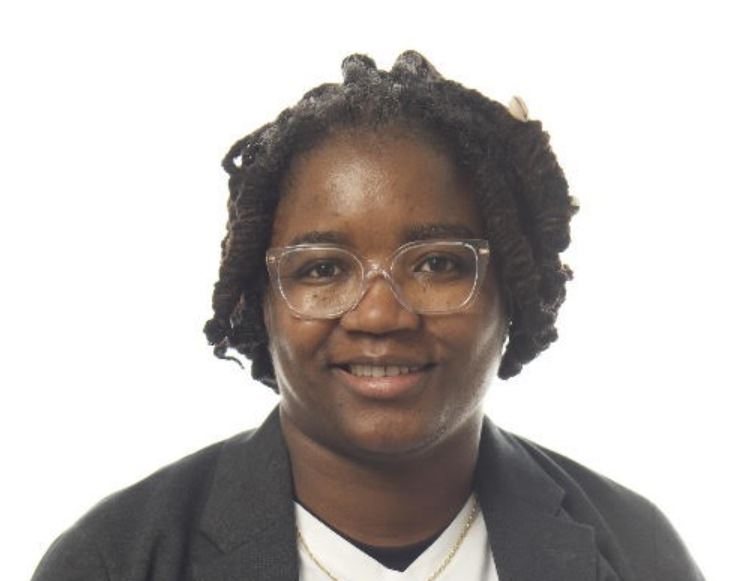
Tyna Adebowale is a Nigerian artist based in Amsterdam. Her second solo exhibition opened Saturday, September 6, and runs till October 18, 2025. It is self-curated in collaboration with the gallery – Ellen de Bruijne Projects, Amsterdam. She is also participating in a group exhibition at Centraal Museum Utrecht, curated by Laurie Cluitmans and Heske ten Cate which also opened Saturday, September and runs till September 14. In this virtual interview with Vanguard, Tyna Adebowale, from her Amsterdam base, shares her thoughts on the exhibitions and more…
How many works are you showcasing for the solo show?
I do not quantify my works in numbers. That is almost impossible as my exhibitions are usually layered and presented in several parts. My works typically bring together – paintings, videos, installations, performance and collaborative forms.
What is your motivation for this solo show?
The works in this solo exhibition, as well as the journey that shaped them, are deeply inspired by the lived experiences of women. Particularly women from my region of Akoko-Edo in Edo State, Nigeria. In 2019, after living in Europe for two years, I made an important trip back home. That journey brought to life what I had been mentally researching and marked the beginning of “Motherwomb.” This body of research draws inspiration from my great-aunt, Mama Nii Dezedo, a vital figure in the Uneme and neighboring communities who, despite having no biological children, was a mother to all.
Tell me more about the theme of this exhibition – “They call you Mother; They call me Mama?” #thereisalwaysamother.
This exhibition continues my research into traditional forms of motherhood from a non-biological perspective, focusing on the lived experiences of grandmothers raising their grandchildren. The works pay homage to the resilience of care structures sustained by women, even as they face erosion under capitalist ways of living.
“They call you Mother; They call me Mama” #thereisalwaysamother, is honoring women’s commitment to nurturing beyond bloodlines, the project also calls for recognition of their right to rest. This call for rest and ample enjoyment is a form of justice long denied under patriarchal demands for endless labour from women, positioning care as both resistance and legacy. This research draws inspiration from my great-aunt, Mama Nii Dezedo, a central figure in the Uneme and neighboring communities who, despite having no biological children, was a mother to all.
How long has it taken you to prepare for this exhibition?
FOREVERRRRR!
What are your expectations from the exhibition?
For me, creating is simply part of my practice… I do not place expectations on what showing these works would bring. It is best that I allow the works to speak to each individual who encounters them. An exhibition is not scripted; it should unfold freely, drawing in the right audience and opening space for dialogue and conversation.
We understand this is your second solo exhibition. When and where did your first solo show take place?
My first exhibition, “She Called Me Woman,” was presented at the same gallery in Amsterdam during the lockdowns occasioned by the COVID’19 pandemic. The project paid homage to a Nigerian queer activist and drew its title from her book, weaving her voice and legacy into the fabric of the show.
How successful was it?
Success? I think that is a very tricky question. For me, the fulfillment came from knowing that the works reached the right audience, even amidst the lockdowns.
You are equally having a group exhibition simultaneously with this solo show, though in different cities. How are you able to do this?
This year has been an exceptionally productive one for me and my practice, particularly as my research as an artist publicly evolved into a new theme – “Motherwomb.” Over the past five years, I explored this journey in the studio, unsure how it would be received publicly, even though I had loved every part of it all along.
In December of 2024 – May 2025, a group exhibition at Museum Amsterdam, “Vrouwen van Amsterdam – Een Ode” (Women of Amsterdam – an Ode) opened. It celebrated women who have lived in and shaped the city. I approached the theme through the life of my great-aunt, weaving together sounds collected from DamSquare, where people shared what they call their mother, recordings of Madam Agbaobes – a mother of music from Etsako who had no biological children but whose legacy endures through her art, and an installation of fertility ceramics dolls.
Earlier, in March, “Good Mom/Bad Mom” opened at Centraal Museum in Utrecht, and now I have this exhibition – a multi-media solo project. Each of these experiences has allowed me to trace the threads of care, lineage, and memory, making this year a deeply meaningful one for my work and practice.
Do you have any plans to exhibit in Nigeria?
OF COURSEEEEEE. I am still a Nigerian and plans are to show at home soon.
Disclaimer
Comments expressed here do not reflect the opinions of Vanguard newspapers or any employee thereof.