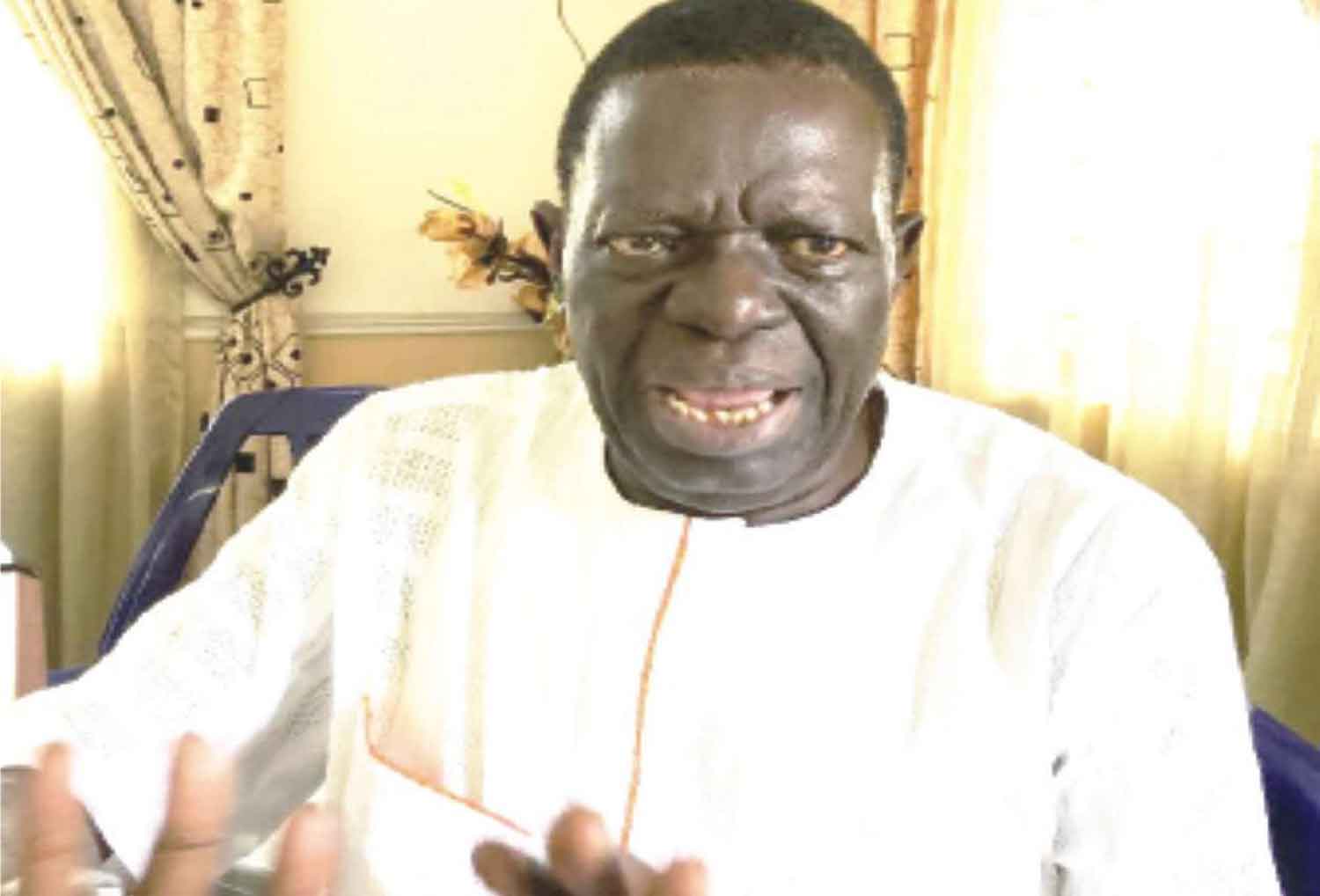
Senator Roland Owie
The story of the Niger Delta Development Commission, NDDC, will not be complete without the views of the founding fathers, like Senator Roland Owie, who led the efforts that passed the Bill establishing the Commission into Law during his time in the 4th National Assembly. In this encounter, Owie looks back to the progress made so far since the commission was established and offers suggestions on how to make the NDDC more impactful.
By Chioma Gabriel, Editor, Special Features
How would you assess the Commission’s performance over the past 25 years?
It is both a privilege and a solemn responsibility to reflect on the journey of an institution that was born out of vision, struggle, and necessity. The Niger Delta Development Commission was not established by chance. It was crafted to confront decades of underdevelopment in a region that fuels our nation’s economy. When President Olusegun Obasanjo assumed office in 1999, he recognized that Nigeria could not prosper if the Niger-Delta continued to languish. That was why one of the very first two bills he sent to the National Assembly was the NDDC Establishment Bill. The other was the ICPC Bill, which aimed to address systemic corruption.
The vision for the NDDC wasn’t new. It echoed the recommendations of the 1958 Willink’s Commission Report, which highlighted the peculiar challenges of the Niger Delta, even before oil became the country’s economic mainstay. Yet, translating that vision into law was a battleground. As Chief Whip of the Senate, I witnessed firsthand the political turbulence that surrounded the bill. A fierce power struggle emerged between the presidency and the National Assembly over issues such as funding. We insisted on expanding the funding base to include offshore oil revenue and increasing the contribution from oil companies. The National Assembly also rejected the idea of compelling states to fund the Commission. When President Obasanjo vetoed the amended bill, we did something unprecedented in our legislative history. We mobilised and overrode the presidential veto, securing the first-ever two-thirds majority in both chambers for such an action. That moment cemented the NDDC as a bold declaration that the Niger Delta would no longer be ignored. But 25 years later, we must confront an uncomfortable truth.
Has the Commission fulfilled its promise?
Sadly, I believe it has not. The hope that the NDDC would be a catalyst for transformation has been dimmed by under-performance and lost opportunities. The founding fathers expected more—so did the people of the Niger Delta. The frequent changes in the NDDC leadership have not helped drive the development process in the Niger Delta region.
What are your thoughts on this leadership instability and the political undercurrents that fuel it?
It is embarrassingly tragic. Leadership instability at the NDDC has become a systemic weakness, and its roots lie in political interference. During the legislative process that birthed the Commission, we foresaw this risk and embedded safeguards in the Act. We made Senate confirmation mandatory for Board and Management appointments and set out clear legal procedures for removal.
Regrettably, successive administrations have consistently violated these statutory provisions. Rather than uphold the law, they have sought to impose loyalists who prioritize political patronage over regional development. This revolving door of leadership has crippled the Commission’s ability to implement long-term projects or maintain institutional memory. The solution is simple. The National Assembly must defend its law and enforce due process. If we expect development to take root, then we must end this culture of impunity and restore the integrity of NDDC’s leadership selection process. 3. Funding has remained a significant challenge for the NDDC.
What are your thoughts on how to overcome this fiscal drawback?
I do not agree that funding is the primary challenge of the NDDC. The real problem lies in how the available resources have been managed. It is not about how much has come in, but how little impact it has made. There is a clear disconnect between resource inflow and results on the ground. Accountability has been sacrificed on the altar of expediency.
Transparency is lacking. Strategic priorities are misaligned. Waste abounds. Jesus said in the Parable of the Shrewd Manager that he who is faithful in little will be faithful in much, and he who is dishonest in little will also be dishonest in much. That principle applies here. Until the NDDC demonstrates fiscal responsibility and builds a credible, people-centered development pipeline, it has no moral basis to demand more funding.
How can stakeholders, especially elder statesmen like you, engage with the NDDC in ensuring that the Commission remains people-focused and responsive to grassroots needs?
Stakeholder engagement must happen across multiple levels. Elder statesmen and thought leaders must lead by example in pushing for reforms, demanding transparency, and keeping the Commission grounded in its founding mission. I am actively involved in the Pan Niger Delta Forum (PANDEF), a platform of regional leaders committed to advocating for the region’s development.
Through PANDEF, we have engaged not only with the NDDC but also with state and federal governments to emphasize that the Niger-Delta deserves sustained, strategic investment. The goal is to build a national consensus that the goose that lays the golden egg must not be starved. We must shift the narrative from tokenism to long-term regional transformation.
What’s your take on political interference in the operations of the NDDC, and how can that be curbed?
As I noted earlier, political interference has been the albatross around the Commission’s neck. Successive administrations have sought to hijack the NDDC for their own ends, appointing loyalists who serve their paymasters rather than the people. This politicization has severely undermined the Commission’s credibility and effectiveness. To curb it, the National Assembly must assert its constitutional powers and insist on adherence to the law. The judiciary must also rise to the occasion by nullifying illegal appointments and removals. Institutions must do their job if we want the NDDC to do its own. 6.
Youth restiveness remains a concern in the Niger Delta. How do you assess the NDDC’s performance in youth empowerment, skill development, and entrepreneurship?
Youth empowerment should be at the heart of the NDDC’s agenda, yet what we have seen so far are fragmented and ineffective programs. The Commission has allowed a procurement mindset to replace meaningful development planning. The result is a patchwork of poorly designed initiatives that offer fish instead of teaching young people how to fish. We must go back to basics. The Commission should adopt a grassroots, inclusive approach to youth development.
This means working with community leaders, CSOs, religious groups, academic institutions, development partners, and the youths themselves to design sustainable, skills-based programs that create real opportunities. It must be transparent, well-documented, and rigorously monitored. Only then will we see genuine empowerment.
The Niger Delta Regional Development Master Plan has expired. What are your recommendations for developing a new Master Plan?
Yes, the original Regional Development Plan expired in 2020. I am aware that earlier this year, the Commission launched a new stakeholder-generated plan. That is a positive step, but a plan is only as good as the commitment behind it. More work must be done to socialize this plan, build buy-in from key stakeholders, and ensure it does not become another document gathering dust. Implementation must be strategic, transparent, and results-driven. Engagement must continue at every level to ensure the plan remains dynamic and inclusive.
What kind of collaborative framework would you like to see between the Commission, state governments, and community leaders?
Collaboration is non-negotiable. The NDDC must see state governments as true partners, regardless of political affiliation. There should be a standing consultative mechanism that brings together the Commission, state governments, and traditional and community leaders. This framework should prioritize project alignment, community needs, and transparent implementation. It must also be institutionalized, not left to the whims of individual officeholders. We need structures that outlast politics.
As NDDC celebrates 25 years, what is your message to the Commission, to the Federal Government, and the people of the Niger Delta?
My message is simple: let us return to the founding vision. Let us go back to the basics. The Niger-Delta has sacrificed so much for the prosperity of this nation. It is time the region is allowed to thrive. To the NDDC, I say: focus on the people, not politics. To the Federal Government, I say: stop interfering and let the Commission work.
To the people of the Niger Delta, I say: stay engaged, stay vigilant, and hold the NDDC accountable. We owe it to ourselves and to the generations to come to ensure that the Niger Delta does not remain a story of squandered wealth but becomes a beacon of inclusive and sustainable development.
Disclaimer
Comments expressed here do not reflect the opinions of Vanguard newspapers or any employee thereof.