By Victor AhiumaYoung
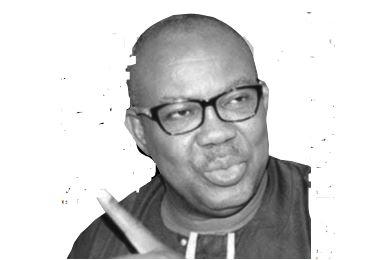
Evangelist Elliot Ugochukwu-Uko is the founder of the Igbo Youth Movement, IYM, and also Secretary of the Eastern Consultative Assembly, ECA. In this chat with Vanguard, he speaks on the agitation in the South-East, leadership crisis in the country and the coalition against the reelection of President Bola Tinubu in 2027. He also assesses the two-year administration of President Tinubu.
Excerpts:
You have been quiet for a while. The country is going through interesting times with worsening insecurity, economic hardship, and an atmosphere of uncertainty. What are your thoughts?
I have been quiet for two reasons. First, I proudly played my part. Decades ago, I consciously chose to humbly contribute to creating awareness among the younger generation of my people in the pursuit of justice and a better country for all.
Yes, the country is going through a remarkably difficult phase. But these are problems we brought upon ourselves: the unworkable unitary structure, avoidable past errors, poor governance, impunity, and a self-centred political class that prioritizes personal interest over the collective good. All of these are responsible for our miseries.
There is no reason such a blessed and envied land, as ours, should still be floundering after decades. Other nations, jealous of our natural and human resources, wonder why we have failed to get it right. It is sad—truly unfortunate.
We must tell ourselves the truth. How long will we continue to deceive ourselves? Our leaders fight for themselves, not for the people. Everyone is blaming everyone else, but we are all guilty in some way. The strange and senseless violence, banditry, and insecurity seem deliberately sponsored to discredit the government. That is bad politics. Meanwhile, the benefits of bold reforms are yet to be felt. The defections you mentioned have become the norm for shameless politicians who care only about themselves.
The unitary structure has made it impossible for the central government to adequately supervise the numerous functions it has overburdened itself with. This creates room for corruption and mismanagement. Sustaining 250 million people on monthly allocations—when we don’t know how long fossil fuels will continue to pay our bills—is simply unrealistic.
Devolution of powers and true federalism is the way forward. A new people’s constitution, anchored on a level playing field for all, is the only solution. Delay only inflicts more pain on the people.
The Tinubu administration is being challenged by the opposition, which is plotting a coalition of parties to stop him in 2027. Do you think they will succeed?
Everybody knows I have no interest whatsoever in partisan politics. I wish them all luck. They are all the same—there is no difference and I have no favourite. There is nothing wrong with forming a coalition.
I will sincerely tell you that Atiku Abubakar will be a very strong candidate in 2027. But Jonathan remains the only person who can truly shock Tinubu. Jonathan is everyone’s darling. The whole country misunderstood him when he was blackmailed out of office. Today, everyone knows he meant well for Nigeria. He is the opposition’s strongest option—if those desperate for power will allow it.
He can easily mobilise the entire North behind him. They know they wronged him 10 years ago. The South-East, South-South, and Middle Belt are his traditional base. He is the only one everyone is sure would serve only one term. He’s not a desperado. He has on-the-job experience, and no region in Nigeria holds anything against him.
But I hear the desperados are doing everything to discourage or frighten him—discreetly sending emissaries to weaken his resolve. His party, which lost power a decade ago, remains the strongest, oldest, and most solid party across all 774 local government areas in the country, despite its endless internal disagreements. If they put their house in order and field Jonathan, they may stand a chance. All the other coalition hopefuls are just opportunists who see Aso Rock as their life calling.
I sincerely wish them well. I urge them to rein in their supporters, make the votes count, avoid violent campaigns, and humbly accept the winner. I have no interest in any candidate or political party. My interest lies in a rejuvenated Nigeria built on the devolution of powers and true federalism—a country where all are equal and none is oppressed. The political class is the same across the board. There are no saints or angels among them.
The South-East is yet to fully calm down. The agitation has given the region a different image. Is the agitation impossible to quell?
Certainly not and it is painful that the agitation has lasted for 26 years simply because powerful and influential leaders have refused to address its root causes. They prefer crushing it rather than engaging with it meaningfully. Those exploiting it for political relevance do not want the agitators constructively engaged. The day those who fuel the agitation for political gain choose to repent and allow genuine engagement, the root causes of the loss of faith in the system will begin to be addressed.
They have successfully blocked every plea to sincerely engage the agitators, identify their grievances, and restore their faith in the country. Some smart politicians from the region see the agitation as a shortcut to Aso Rock. In reality, they don’t want it resolved. They believe the agitation garners sympathy for the idea of an Igbo presidency.
The day the Federal Government genuinely engages the agitators and starts addressing their concerns, there will be a major shift. For instance, a functional seaport in the region—receiving containers from China, Brazil, Europe, etc.—would signal to the youth that they are finally being treated as bona fide citizens. The same applies to a cargo wing at Enugu International Airport or an East-West railway line from Port Harcourt through major cities to Lagos and beyond. A railway from Calabar through Cameroon and East Africa would also transform perceptions.
The people believe that Nigeria deliberately avoided developing their region because of the Biafra War. They think there are no plans to address the region’s infrastructural challenges. They feel forced into economic exile, scattered all over the world. These refugees—angry and disillusioned—contribute financially to the agitation. They believe they will never get justice in Nigeria. They also know that Nigeria cannot progress under this centralised structure inherited from the military. The 1999 Constitution cannot take us to the Promised Land.
The agitators are genuinely aggrieved, despite operational mistakes that give the impression otherwise. The real problem lies with the diaspora youth and their frightening mindset. I’m genuinely worried about what they might do in the future. There are over 50 million Ndigbo, with 10 per cent living abroad—from China to Europe, America to Africa. Their children, watching and learning from their parents, do not believe the victors of the civil war are willing to live in peace and equity.
This is why I cry every day: “Let’s restructure Nigeria now to secure our future.” Those who see only the agitators’ excesses are not helping by pretending there is no genuine grievance. The pain and humiliation from the past remain. Until the root causes are addressed, the agitation will persist.
How do you think Nigeria can move forward in unity?
I have consistently advocated for a better Nigeria for all. I know this country is abundantly blessed. The major issue is that many compatriots still fail to see the light. They mistakenly believe that our calls for restructuring are aimed at shortchanging them or their region. That is not true.
The refusal to embrace restructuring delays our collective progress. All our national woes—unemployment, poverty, crime, insecurity—stem from the distorted unitary structure. Until we restructure along the lines of true federalism and devolve power, we will continue to suffer. I plead with my fellow Nigerians: let us come together and make this beautiful country truly great.
What is your assessment of the two years of Tinubu’s administration?
Well, he has been surprisingly audacious and courageous in taking the bull by the horns through bold and necessary reforms—reforms that would make any leader unpopular, at least until the positive gains begin to trickle in.
The country was destroyed between 2015 and 2023. Rebuilding is delicate and difficult; destruction is easy. Our prayer is: may these painful but necessary reforms yield positive results. However, he needs to rein in corruption under his watch. He must understand that equity fosters patriotism, harmony, peace, and stability.
We are miffed that, of the eight members appointed to the census committee, not one is from the South East. N80 billion was just approved for the reconstruction of eight dams—none located in the South East. This kind of disparity breeds a loss of faith in the country and fuels agitation.
The people of my region want to be treated fairly and carried along as bona fide stakeholders. It is the continuous mistreatment and injustice that fuel fear for the future and deep resentment.
Again, he is currently seeking Senate approval for a N34 trillion loan, even though we already owe over N144 trillion. What is at stake here is the judicious use of these funds. Accountability is what everyone is worried about. If the impact of the loans is positively felt, then it will be well and good. Our prayer is: may the loans be judiciously used for the utmost good of the nation. I have no fears for the future of the country, except to say that the delay in restructuring the polity is both unhealthy and unhelpful.
Some analysts argue that there’s political colouration in the escalation of insecurity, especially in the North. What is your reaction to this?
You are correct—it does appear to be so. If that is truly the case, then it means those who want to bring Tinubu down are not only desperate but also vicious and indifferent to the innocent lives being senselessly slaughtered in their pursuit of power.
That is both disgusting and disturbing. I pray it is not true. Manipulating insecurity just to tarnish the image of the government is evil—especially when it leads to needless loss of life.
But one can never be sure what some politicians are capable of doing just to achieve their aims. The fierce struggle for central power is fueled by the over-concentration of authority at the center and the winner-takes-all mentality of past leaders. This is yet another reason why Nigeria must be restructured without further delay—along the lines of true federalism and devolution of powers.
Disclaimer
Comments expressed here do not reflect the opinions of Vanguard newspapers or any employee thereof.