By Kingsley Omonobi
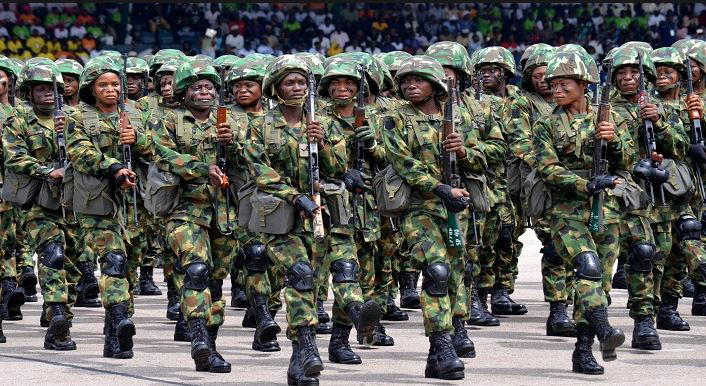
ABUJA — In a decisive move to address escalating security challenges across Nigeria, the Chief of Defence Staff (CDS), General Christopher Musa, has announced the imminent deployment of over 800 specially trained, combat-ready Special Forces to high-risk operational zones across the country.
Speaking at the 2025 Defence Training Conference in Abuja, themed “Performance Oriented Training and Trends in the Contemporary Operating Environment,” General Musa emphasized the need for cohesive and unified combat units. He disclosed that the Special Forces, set to graduate next week, were trained under a robust and comprehensive program tailored to tackle the complex and evolving nature of threats in Nigeria.
“We have realized that deploying these forces in bits creates weaknesses. This team will be deployed together, trained to understand one another, and fight as one,” Musa said.
He underscored that the training focuses on building an adaptable, technology-driven, and mission-oriented military force equipped to handle the multifaceted nature of Nigeria’s current threat landscape — including insurgency, terrorism, cyber warfare, and hybrid security challenges.
The CDS stressed the importance of joint training programs, doctrinal reviews, performance simulations, and inter-agency cooperation as key strategies to build a professional and responsive military.
“No single service or agency can confront these challenges alone. We need strong collaboration across all services,” he said.
Musa also warned about the dangerous mindset of insurgents, saying: “The enemy we are facing has nothing to lose. He lives, he dies — his guilt dies with him. That’s why we must prepare our troops to understand the nature of the enemy and adapt to dynamic operational environments.”
In his remarks, the Minister of Defence, Mohammed Badaru Abubakar, charged the military to align its training modules with Nigeria’s national security objectives. He stressed the need for proactive and anticipatory strategies to combat both conventional and non-conventional threats.
“We live in an era where threats are no longer confined to traditional state actors. Asymmetric threats and hybrid warfare require more than tactical responses,” Badaru said.
He called for strategic investments in performance-oriented training that simulates real-world scenarios and aligns with both present and future operational realities.
“It’s no longer enough to train for yesterday’s battles. The Armed Forces must train for the uncertainties of tomorrow and beyond,” he added.
The Minister highlighted the importance of joint training and cross-service collaboration, noting that no single branch of the military can secure the nation in isolation.
“Modern military operations demand close cooperation among the Army, Navy, and Air Force — along with other security agencies and international allies. Exercises like African Lion, Obangame Express, and ECOWAS Standby Force drills are vital models,” he noted.
Earlier, the Chief of Defence Training, Rear Admiral Ibrahim Shettima, outlined the objectives of the conference, which include promoting synergy, enhancing professionalism, and embracing evolving trends in modern warfare.
He emphasized the integration of hybrid threat training, simulation-based exercises, and the development of internationally agile and resilient military personnel.
The 2025 Defence Training Conference marks a significant step toward a more coordinated, adaptive, and forward-looking military posture, as Nigeria continues to navigate the complexities of its internal and regional security landscape.
Disclaimer
Comments expressed here do not reflect the opinions of Vanguard newspapers or any employee thereof.