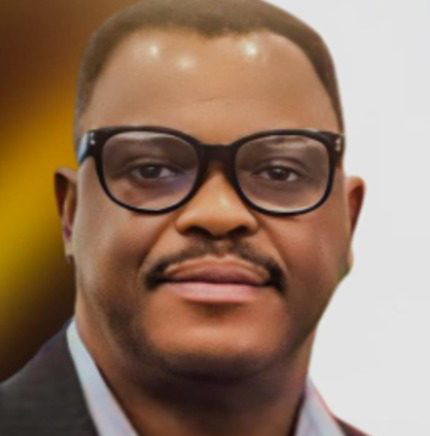
By Prof Mondy Gold
To overcome Nigeria’s political and economic stagnation, we must acknowledge a crucial reality: without mental and emotional restructuring, structural reforms will not lead to lasting progress. Nigeria’s challenges extend beyond infrastructure and institutions—they stem from a collective mindset that addresses symptoms rather than causes, favors religiosity over strategy, and accepts resignation over responsibility. This deeply ingrained outlook, reinforced by societal norms and institutions, must be the primary focus of reform to achieve meaningful transformation.
The Mindset Problem
Nigeria possesses vast resources, immense talent, and unyielding resilience alongside endemic corruption, poor governance, and debilitating poverty. The paradox lies not in an inherent inability to govern or innovate, but in the collective failure to demand accountability, challenge mediocrity, and embrace progressive thinking. This failure is rooted in a mindset fostering dependency on external saviors—religious leaders, government institutions, or foreign aid—conditioning citizens to accept substandard conditions while hoping for divine intervention or miraculous change.
Renowned leadership expert John C. Maxwell aptly stated, “Everything rises and falls on leadership,” emphasizing the need for collective efforts to challenge the status quo and demand competent, ethical leadership. Former U.S. President Theodore Roosevelt wisely observed, “In a moment of decision, the best thing you can do is the right thing, the next best thing is the wrong thing, and the worst thing you can do is nothing.” This insight highlights the perils of inaction, particularly when followers resign themselves to passivity, entrusting responsibility to others or attributing outcomes to fate.
Religion, while providing spiritual solace, often sedates the masses rather than spurring critical reflection or inspiring collective action. Statements like “it is well” or “leave it in God’s hands” perpetuate an escapist mentality, shifting responsibility from individuals and institutions to an imagined higher power. Martin Luther King Jr. once asserted, “Faith is taking the first step even when you don’t see the whole staircase,” underscoring the necessity of pairing faith with action—a crucial lesson for dismantling cycles of mediocrity and misgovernance.
Mahatma Gandhi warned against blind reliance on faith without personal accountability, stating, “You may never know what results come of your actions, but if you do nothing, there will be no result.” This underscores the dangers of a passive citizenry that tolerates incompetence and corruption, often attributing suffering to divine will, unseen enemies, or external forces. Nigerians, particularly those from the Niger Delta, must actively pursue their own liberation, rejecting substandard conditions as inevitable and demanding the justice, development, and leadership they deserve.
The task ahead is to break this cycle of fatalism by fostering a mindset of responsibility, critical thinking, and collective action. As Nelson Mandela aptly noted, “It always seems impossible until it’s done.” Nigerians must awaken to their power to demand more from themselves and their leaders, recognizing that true progress demands effort, vigilance, and an unwavering commitment to justice and excellence.
The Ripple Effect on Political and Economic Restructuring
In the absence of mental and emotional restructuring, political and economic reforms remain superficial and unsustainable. While structural adjustments like constitutional amendments or decentralization may address regional inequities, their transformative potential is stunted if citizens remain disengaged from governance or apathetic toward holding leaders accountable. Former U.S. President John F. Kennedy’s timeless exhortation, “Ask not what your country can do for you—ask what you can do for your country,” calls for rejecting passivity and embracing active participation in nation-building.
Similarly, foreign investments or infrastructural developments falter if corruption, fueled by a pervasive mindset of impunity, continues to siphon resources meant for collective benefit. Franklin D. Roosevelt’s observation, “The only thing we have to fear is fear itself,” reminds us that systemic change demands confronting societal complacency and challenging entrenched norms perpetuating corruption. Without this courage, economic reforms are reduced to hollow gestures, vulnerable to the very forces they aim to dismantle.
Restructuring governance without restructuring the people’s mindset is akin to building a house on quicksand. A populace indifferent to meritocracy, transparency, and civic engagement creates an unstable foundation, causing even the most ambitious reforms to collapse under the weight of apathy and inefficiency. Nelson Mandela encapsulated this sentiment, stating, “Education is the most powerful weapon which you can use to change the world,” emphasizing the necessity of intellectual and emotional awakening to sustain meaningful reforms.
Political and economic restructuring is a ripple effect—its impact radiates outward but originates within. As Mahatma Gandhi wisely stated, “You must be the change you wish to see in the world.” For reforms to take root and thrive, the collective consciousness of the people must shift toward valuing integrity, demanding accountability, and embracing civic responsibility. Dr. Martin Luther King Jr.’s vision of active citizenship resonates in his assertion, “Our lives begin to end the day we become silent about things that matter.” This silence—born of fear, complacency, or fatalism—perpetuates cycles of inefficiency and stagnation. Breaking this silence allows a nation to harness its potential and create a sustainable future.
A Call for Mental and Emotional Restructuring
The transformative journey toward national renewal begins with a shift in mindset—a deliberate and sustained effort to embrace critical thinking, reject mediocrity, and prioritize collective progress over personal gain. Leadership extends beyond elected officials; it encompasses every citizen’s capacity to shape the nation’s destiny. Mental and emotional restructuring demands dismantling the culture of blind religiosity, replacing it with responsibility and accountability. Faith, while offering solace, must inspire action rather than justify inaction; leaders must uphold the highest ethical standards. Citizens must recognize their power to forge a brighter future through informed choices and unrelenting advocacy.
To initiate meaningful change, it is essential that we act with purpose and resolve. Key strategies to drive this transformation include prioritizing civic education, which empowers citizens by equipping them with knowledge of their rights and responsibilities, ensuring they can hold leaders accountable and contribute to a more engaged society. As Thomas Jefferson rightly stated, “An educated citizenry is a vital requisite for our survival as a free people.” Next, society must undergo a cultural reorientation that values integrity and innovation above material wealth and superficial displays. By highlighting these virtues, we can reshape societal norms and redefine success, as Barack Obama powerfully put it, “The arc of the moral universe may bend toward justice, but it does not bend on its own.” Equally important is the engagement of our youth, empowering them with leadership training and mentorship will allow them to challenge the status quo and propel progress. As Malala Yousafzai said, “One book, one pen, one child, and one teacher can change the world.” Lastly, grassroots movements focused on issues like healthcare, education, and environmental sustainability will ignite collective action and foster ownership in national development.
Former Nigerian President Olusegun Obasanjo’s words provide a powerful directive: “Corruption and inefficiency will choke the life out of our democracy if we do not confront them head-on.” The battle for true political and economic restructuring must occur on two fronts—externally, through policy reforms and systemic changes, and internally, by fostering a citizenry that refuses to accept mediocrity and corruption. Only then can the ripple effect of change reach its full transformative potential. Mental and emotional restructuring forms the bedrock of national renewal. As Obasanjo further emphasized, “Democracy and sustainable development thrive with accountability, transparency, and good governance.” True progress requires more than just policies—it demands integrity, resilience, and a shared vision for the future.
Nigeria’s transformation begins with its people, whose minds and hearts must drive the nation’s progress. Restructure these, and Nigeria can achieve where governance is accountable, development is inclusive, and opportunities are accessible. A shift in mindset is imperative to unlock Nigeria’s true potential and demand a brighter future. It is a formidable task, but within our reach. With these strategies, we can create a future where positive transformation is not only possible, but inevitable. This is not a call to abandon faith, but rather to reimagine it as a source of empowerment, propelling the necessary change. This is a call for those dreaming of Nigeria, where purpose meets potential and resolve sparks change. Action paves the way. Act now, as the future waits. The choice is ours—will we seize it?
Prof. Mondy Gold, PHD, LFP, FCILG, FEBS, wrote in from the United States of America and he is a recipient of several awards including the best CSU Faculty Spotlight Award and the United States President’s Lifetime Achievement Award.
Disclaimer
Comments expressed here do not reflect the opinions of Vanguard newspapers or any employee thereof.