By Dickson Omobola
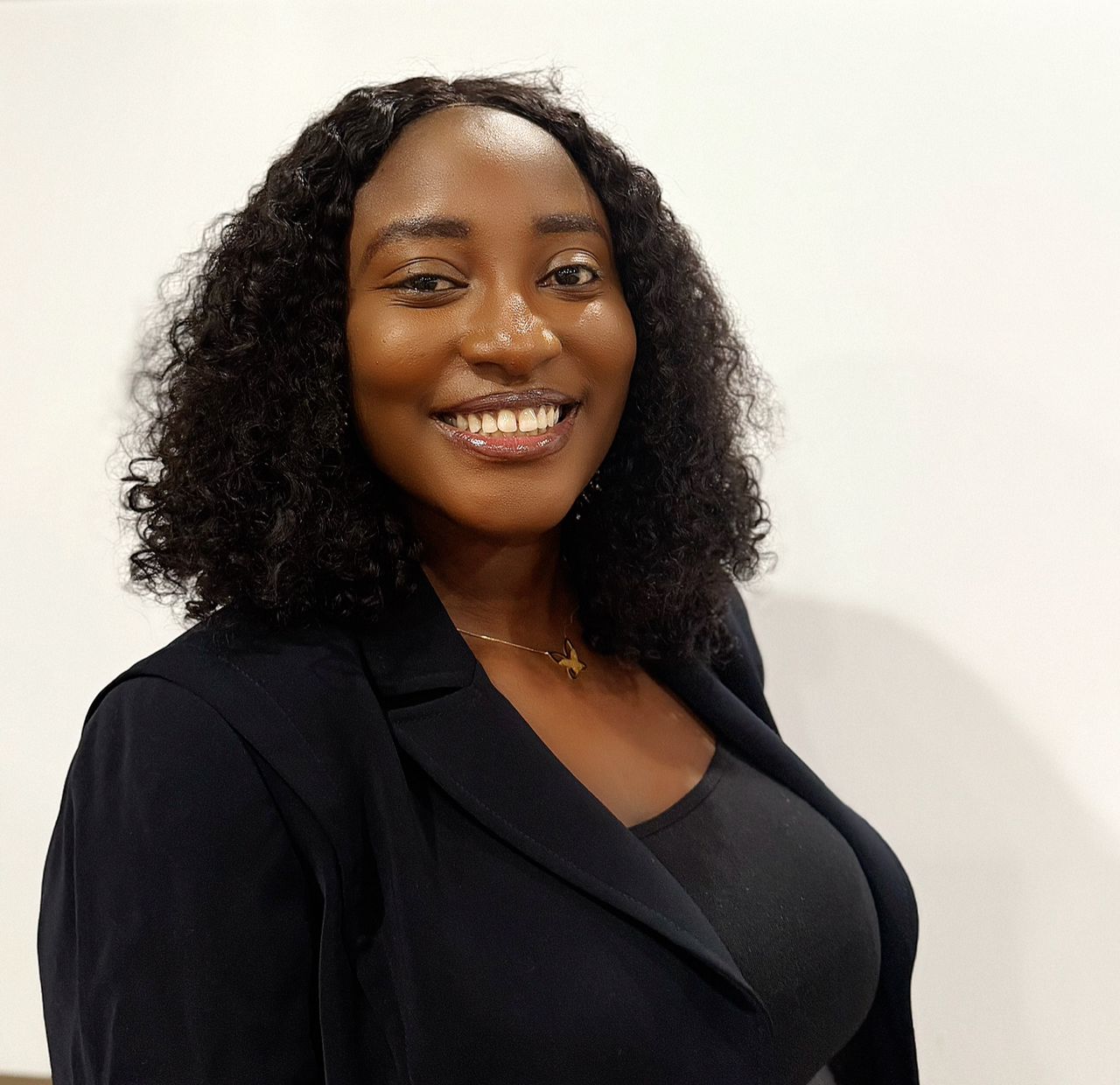
A Public Health expert, Damilola Shaba, has expressed concern over the rising mental health challenges faced by adolescents and young adults in the United States, saying data reveals 49.5 per cent of adolescents aged 13 to 18 experience some form of mental health disorder.
Shaba, who referenced statistics from the National Institute of Mental Health, NIMH, highlighted that in 2021, 18.8 per cent of high school students seriously considered suicide.
According to her, the trend persisted in 2024, indicating the need for solutions.
Shaba, in a chat with Vanguard, noted that artificial intelligence, AI, was emerging as a transformative tool in the fight against adolescent mental health issues.
She explained that AI could analyse social behaviour, academic performance and online activity to identify mental health risks early, facilitating preventive interventions.
She said: “The mental health challenges among adolescents and young adults in the US are reaching critical levels. NIMH reports that nearly half of adolescents aged 13 to 18 experience a mental health disorder, with over one-fifth facing severe impairment. Suicide is now the second leading cause of death for individuals aged 10 to 24. The Centers for Disease Control and Prevention, CDC, further revealed that in 2021, 18.8 per cent of high school students seriously contemplated suicide, and the COVID-19 pandemic exacerbated this crisis, leaving 44 per cent of students feeling persistently sad or hopeless by 2022.”
Expanding on AI’s potential, Shaba described how tailored AI solutions such as chatbot counsellors and mental well-being trackers have led to a 35 per cent increase in user engagement.
She said: “AI is proving to be a game-changer in addressing this escalating mental health crisis. Researchers have extensively reviewed peer-reviewed studies and case reports, demonstrating that AI models can effectively detect early signs of anxiety, depression, and self-harm by analyzing social media activity, facial expressions, and text patterns. These models achieve predictive accuracy rates between 70 per cent and 85 per cent.”
Shaba pointed out that schools integrating AI-driven systems to monitor students’ emotional well-being have experienced significant improvements.
“AI-powered interventions reduce stigma and increase student participation in mental health programs by up to 40 per cent, helping to identify at-risk individuals and connect them with timely support services,” she noted.
Shaba, however, acknowledged the ethical and practical challenges accompanying AI’s integration into mental health care, saying: “Concerns around data privacy, algorithmic bias, and equitable access must be addressed to ensure AI enhances, rather than exacerbates, existing disparities. Without rigorous oversight, sensitive data could be misused, potentially widening the mental health gap.”
Shaba also said there was a need for collaboration among policymakers, researchers, and educators to scale AI solutions responsibly.
She added: “AI is not a replacement for traditional mental health care but serves as a powerful complement. By leveraging AI, we can proactively support vulnerable adolescents, alleviating pressure on already overwhelmed mental health systems.”
The expert further stressed the importance of continued research to develop scalable, inclusive and ethically sound AI models, saying: “With responsible implementation, AI can revolutionize mental health care, making it more personalized, proactive, and accessible to younger populations.”
Disclaimer
Comments expressed here do not reflect the opinions of Vanguard newspapers or any employee thereof.