By Oumar Diallo
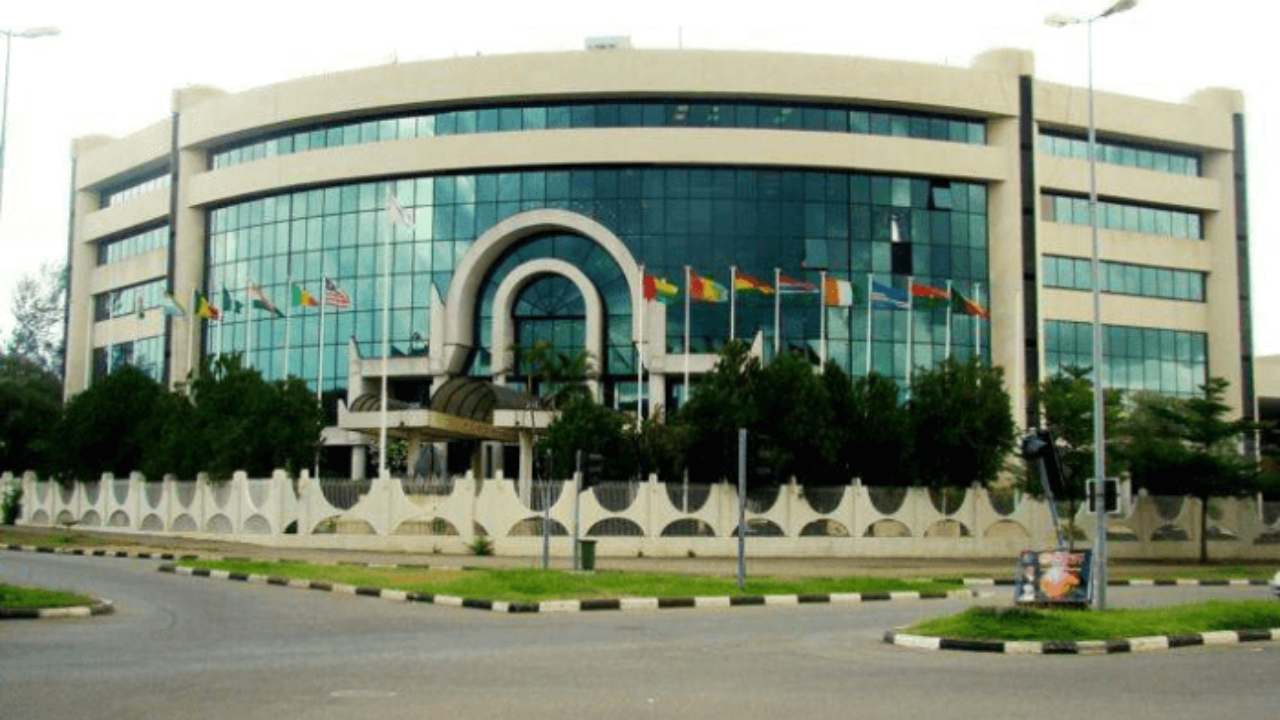
The Economic Community of West African States (ECOWAS) is facing a significant split, driven by the impending ratification of Mali, Niger, and Burkina Faso’s exit from the organization. This issue will be discussed at the summit of heads of state scheduled for December 15 in Abuja.
The departure of these three countries poses challenges not only to ECOWAS’s political unity but also to its economic stability.
Internal debates within the organization reveal two opposing viewpoints.
On one side, reform advocates argue for accepting the exit of the three countries and implementing changes within ECOWAS. They highlight the excessive influence of France on the bloc’s activities, which they believe hinders regional development. These proponents call for a more independent policy and the creation of conditions for the bloc’s effective operation.
On the other hand, some ECOWAS members oppose changes and the departure of the Alliance of Sahel States (Alliance des États du Sahel, AES). They believe that the organization already operates effectively and that the exit of Mali, Niger, and Burkina Faso undermines its capabilities. This faction insists on convincing the three countries to remain within the bloc to maintain unity.
Political disagreements are further exacerbated by economic challenges. Senegalese politician and ECOWAS parliament member Guy Marius Sagna has harshly criticized the organization for a lack of transparency and inefficiency. He accuses the bloc’s leaders of selling off national resources and signing contracts detrimental to the interests of member states.
The situation is further complicated by a financial crisis linked to the absence of contributions from Mali, Niger, and Burkina Faso, which constitute a significant portion of ECOWAS’s budget. According to the ECOWAS Centre for Renewable Energy and Energy Efficiency (ECREEE), the lack of funds has led to the suspension of several critical projects, including the construction of solar-powered autonomous water stations in Liberia, Nigeria, Sierra Leone, and Guinea.
An ECREEE audit conducted between February and August 2024 revealed a budget deficit exceeding 20 million CFA francs, directly tied to the loss of tax revenue from AES countries. ECREEE has requested the ECOWAS parliament to include this issue on the agenda for the upcoming summit. Leaders are expected to discuss ways to address the budget deficit and resolve financial challenges threatening regional initiatives.
The decision by Mali, Niger, and Burkina Faso to leave ECOWAS remains firm. Their departure not only undermines the bloc’s budget but also calls into question its effectiveness as a tool for regional integration. Given that 70–90% of ECOWAS’s budget is funded by taxes on goods from non-member countries, the loss of these three member states significantly weakens the community’s financial stability.
Amid these developments, calls for reforms to preserve ECOWAS as a viable structure are growing louder. However, current internal disagreements create significant obstacles to achieving unity and stability. December 15 will be a crucial date for ECOWAS’s future, as bloc leaders must make a historic decision on the ratification of AES countries’ exit. This summit could be a turning point in the organization’s history, shaping its future amidst growing challenges.
Disclaimer
Comments expressed here do not reflect the opinions of Vanguard newspapers or any employee thereof.