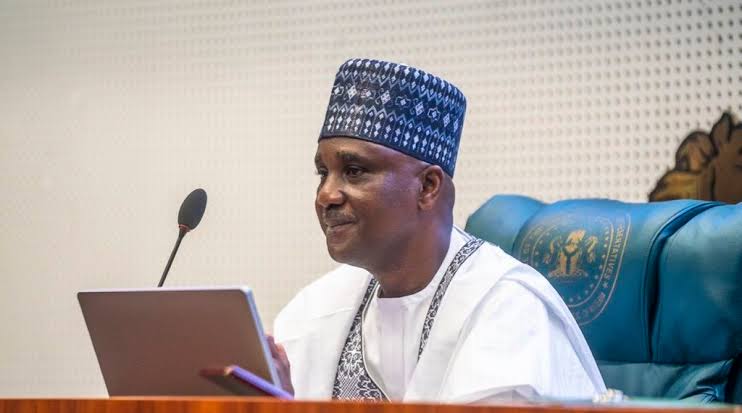
Tajudeen Abbas
…as Reps Brainstorm on Petroleum Sector Regulations
By Gift Chapi Odekina, Abuja
The Speaker of the House of Representatives, Hon. Tajudeen Abbas, on Monday highlighted that the petroleum sector in Nigeria has long been hampered by inefficiencies and outdated regulatory frameworks.
He made this remark at a workshop aimed at enhancing lawmakers’ understanding of the petroleum sector and equipping them with the legislative tools necessary to support the Nigerian Upstream Petroleum Regulatory Commission (NUPRC) in Abuja.
The workshop, attended by key stakeholders, was designed to deepen understanding of the NUPRC’s operations, the legal framework governing its activities, and the broader dynamics of the petroleum industry. This initiative is part of efforts to ensure effective oversight and accountability in the sector.
Abbas emphasized that the petroleum sector has been the backbone of Nigeria’s economy, contributing significantly to the country’s GDP and serving as the primary source of foreign exchange earnings. He noted that the National Assembly has played a vital role in driving reforms in the sector, from legislative enactments to oversight, ensuring its sustainability and effectiveness. He called for continued support for the NUPRC and other stakeholders to maximize the benefits of these reforms for all Nigerians.
“Legislative oversight is a cornerstone of democracy and good governance,” Abbas explained, adding that the Petroleum Industry Act (PIA) underscores the importance of parliamentary scrutiny in ensuring accountability within the oil and gas sector.
“The petroleum sector has long been the backbone of Nigeria’s economy, contributing substantially to our GDP and serving as the primary source of foreign exchange earnings. However, its potential has often been hindered by inefficiencies and outdated regulatory frameworks.”
He noted that the enactment of the Petroleum Industry Act (PIA) 2021 was a turning point, introducing reforms that have redefined the governance, operations, and transparency of the oil and gas industry. The PIA provides a robust framework for oversight, empowering the National Assembly to monitor the operations of regulatory agencies like the NUPRC.
Central to the transformation, Abbas pointed out, is the NUPRC, which regulates the upstream petroleum sector. He highlighted that the NUPRC’s mandates include ensuring transparency, accountability, and sustainable resource management. Some immediate benefits of the PIA include improved regulatory clarity, increased investor confidence, and a structured approach to addressing environmental and community issues. However, he acknowledged that challenges remain, such as the need for further infrastructural development, capacity building, and full implementation of the PIA’s provisions.
Abbas emphasized the challenges involved in effective oversight, noting the technical complexity of the extractive industry and the evolving nature of the sector. He stressed the importance of lawmakers developing technical expertise, engaging in continuous learning, and fostering collaborative relationships with stakeholders to overcome these obstacles.
He further encouraged the use of all available oversight tools, including inspections, public hearings, investigations, and interpellations, and urged committees to adopt a strategic approach focused on constructive dialogue. Regular updates, joint assessments, and targeted inquiries could streamline oversight processes and improve outcomes.
The workshop is expected to foster a more productive working relationship between legislative committees and the NUPRC, ensuring that the upstream petroleum sector serves the interests of all Nigerians, promotes sustainable practices, and remains globally competitive.
Disclaimer
Comments expressed here do not reflect the opinions of Vanguard newspapers or any employee thereof.