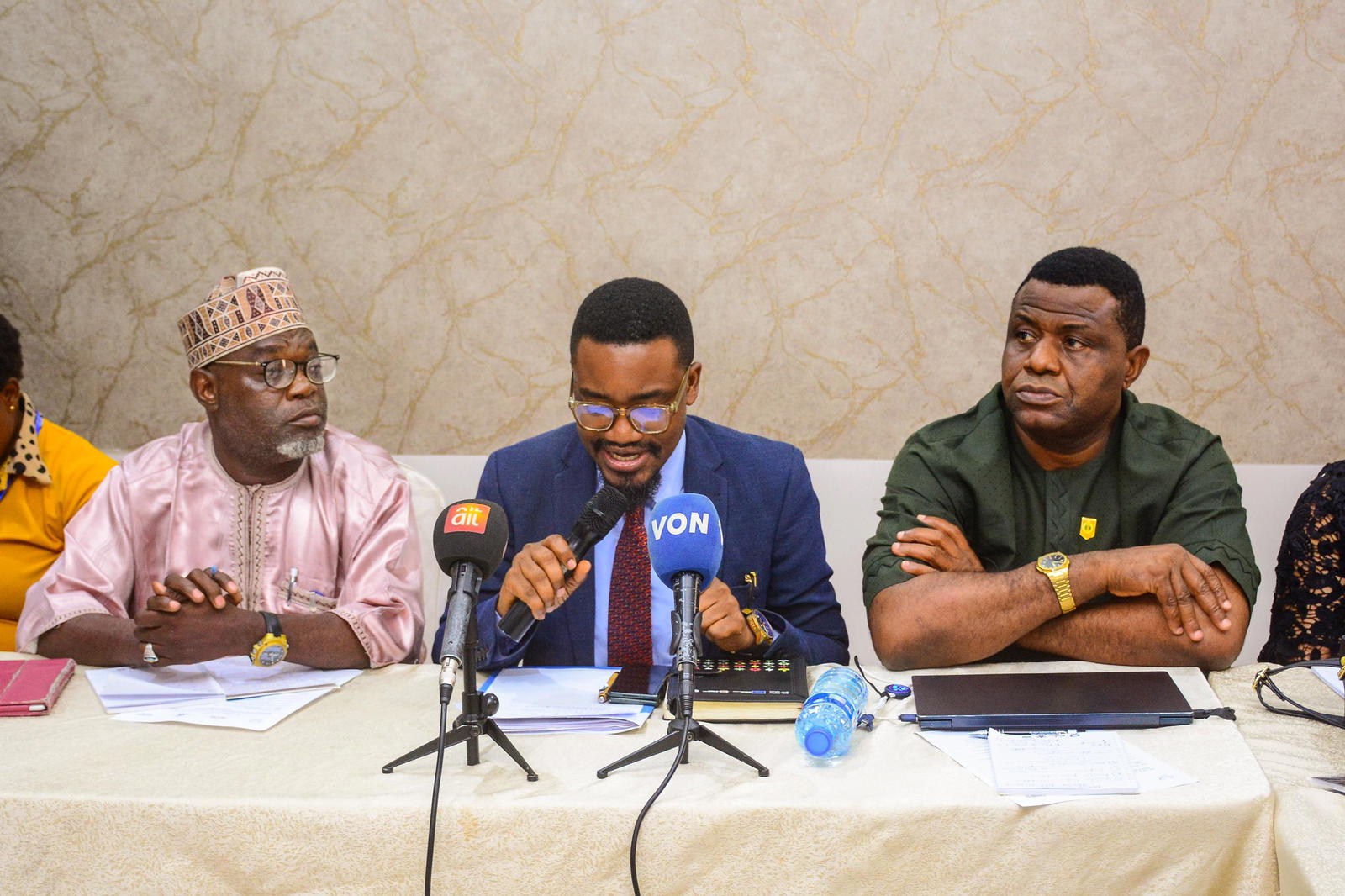
…as UNIDO, MAN Train Journalists on Sustainable Industrial Practices
By Favour Ulebor, Abuja
The Manufacturers Association of Nigeria (MAN) has emphasized the need for industries to adopt energy-efficient and sustainable practices as part of efforts to mitigate the environmental challenges posed by energy consumption and industrial activities.
Speaking at the Phase 2 Capacity-Building Workshop for Media Stakeholders under the Resource Efficiency and Cleaner Production (RECP) and Industrial Energy Efficiency (IEE) project, recently in Abuja, the Director of Research and Economic Policy at MAN, Dr. Oluwasegun Osidipe, underscored the importance of integrating these practices not only in industries but also in households as part of a larger environmental sustainability movement.
Osidipe highlighted the alarming increase in energy costs for manufacturers, which now account for over 45% of production overheads—up from 30-35% in previous years.
He said the significant rise is partly due to unreliable grid electricity and manufacturers’ heavy reliance on alternative energy sources.
“In 2023 alone, manufacturers spent over ₦183 billion on alternative energy, exacerbating their financial strain.” He said
According to him, this surge in energy costs, also hinders productivity, with some industries operating at less than a third of their intended capacity.
“The energy challenge is not just about high costs. It is also an environmental issue.
“We need to be aware that our energy consumption directly impacts the environment, contributing to carbon emissions and climate change.” He said
He emphasized that beyond the industrial sector, individuals can also play a role in reducing energy consumption and curbing environmental degradation.
He encouraged simple energy-saving practices, such as turning off lights and appliances when not in use, and using energy-efficient bulbs, air conditioners, and household appliances.
Osidipe noted that, these measures contribute to reducing the overall energy demand and can help lessen the environmental footprint of households.
Osidipe stressed the interconnectedness of industrial development and environmental protection.
“As industries grow, we must ensure that growth is sustainable; Through energy efficiency, cleaner production, and the media’s role in spreading these messages, we can create a more sustainable future for Nigeria and the world.” He said.
UNIDO’s National Programme Coordinator, Mr. Oluyomi Banjo, also addressed the environmental impact of industrial energy consumption, noting that industries are responsible for a significant share of global energy usage and CO2 emissions.
According to Banjo, the International Energy Agency (IEA) estimates that industries will need to reduce their direct emissions globally by about 24% compared to 2007 levels to meet climate goals.
This presents both a challenge and an opportunity for emerging economies, particularly in Africa, where industrial growth is rising rapidly, he added.
Banjo also stressed that the RECP and IEE project, which began in 2020 under the Global Environment Facility (GEF), is designed to help industries in Nigeria adopt more sustainable practices.
He said, by providing technical support and training, the project aims to support up to 70 industries across key sectors, including food and beverage, steel and metals, textiles, and petrochemicals.
Banjo noted that the project’s focus on energy audits, the adoption of renewable energy, and energy-efficient technologies which will help industries reduce their carbon footprints while simultaneously lowering production costs.
“Moving towards renewable energy and improving energy efficiency is not just about cost savings for industries; it is also about protecting the environment. This transition will help reduce emissions and ensure a cleaner and more sustainable industrial environment for future generations,” Banjo added.
MAN’s National Project Coordinator, Oladipo Jacob, reminded journalists that their coverage of such topics has the power to shape public understanding and influence policy decisions.
He emphasized that clear communication about energy efficiency and sustainability would encourage industries to adopt best practices and inspire individuals to reduce their environmental impact.
The workshop, which was organized by MAN in partnership with the United Nations Industrial Development Organization (UNIDO) and Global Environmental Facility, GEF, aims to educate journalists on the principles of industrial sustainability, focusing on RECP and IEE as combined approaches to resource efficiency and cleaner production.
The training covered how industries can reduce energy consumption, minimize waste, and improve environmental outcomes while also boosting productivity and profitability.
Disclaimer
Comments expressed here do not reflect the opinions of Vanguard newspapers or any employee thereof.