By Jimoh Babatunde
A new platform that will amplify African voices and perspectives on debt matters, Debt Management Forum for Africa (DeMFA), will be launched by the African Development Institute on Monday in Abuja.
DeMFA will also hold its maiden policy dialogue on “Making Debt Work for Africa: Policies, Practices and Options” alongside the launch.
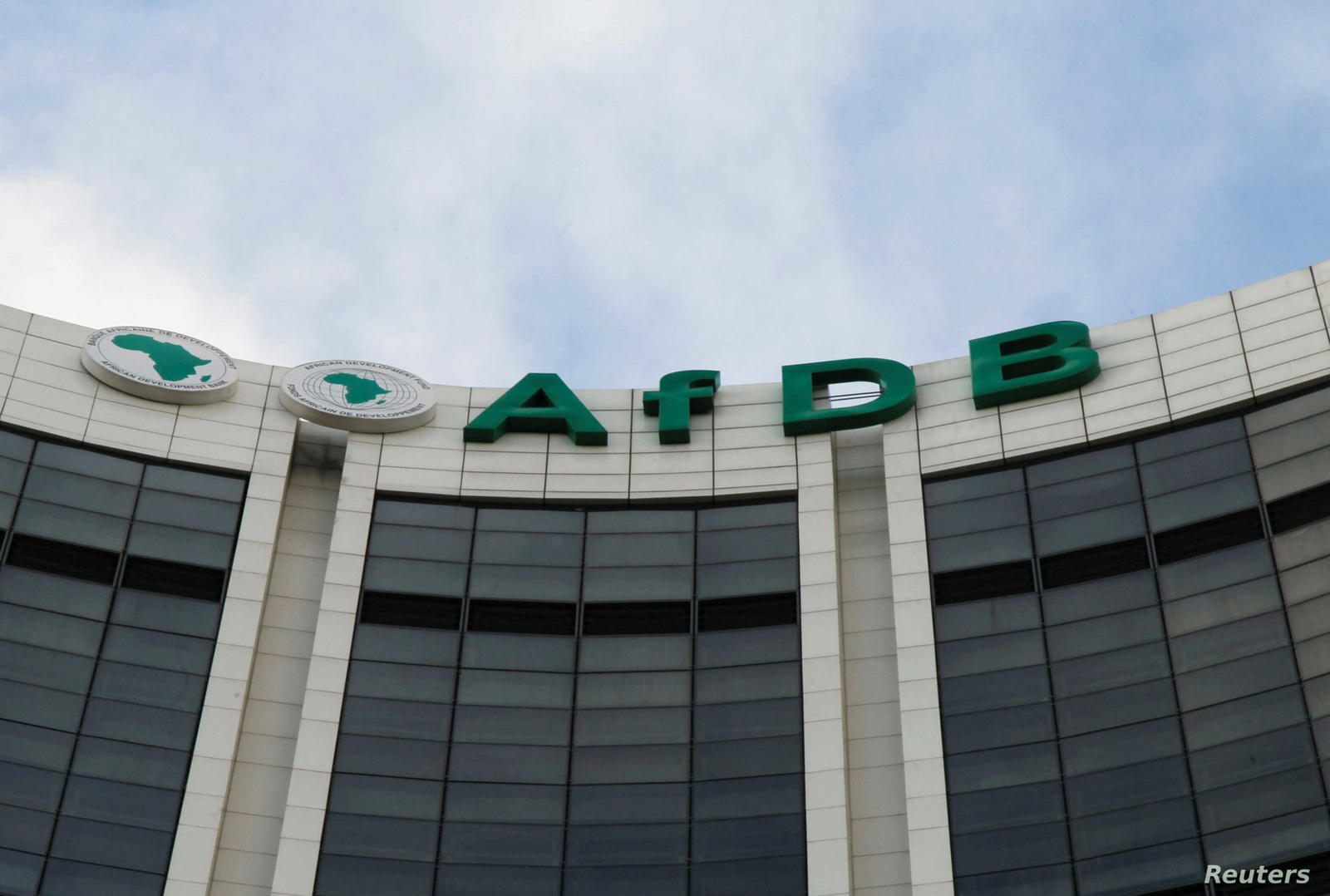
The African Development Institute is the African Development Bank Group’s focal point for capacity development support to regional member countries.
The ADI contributes to building sustainable capacity for institutional development effectiveness in the Bank’s regional member countries.
In a media release on Sunday, Tolu Ogunlesi, Communication and External Relations Department, African Development, said the Debt Management Forum for Africa is a new platform for high-level dialogue on debt productivity and sustainability at the national, regional, and continental levels.
” It aims to amplify African voices and perspectives on debt matters and provide a channel for knowledge-sharing, advocacy, and capacity development on debt management.
“Leveraging the African Development Bank’s convening power and deep knowledge of the African public financial and debt management landscape, DeMFA will galvanize and synergize partnerships with multilateral and bilateral development institutions, and other critical stakeholders on Africa’s debt situation.”
The Forum is expected to bring together Africa’s Ministers of Finance, central bankers, debt managers, policymakers, experts, and relevant stakeholders to exchange views and lessons on challenges related to the continent’s debt vulnerabilities, and to identify policy and strategic actions to address complex debt management challenges.
Ogunlesi disclosed that the forum is being launched against the backdrop of rising public expenditures, declining domestic revenues, rising debts and deb servicing costs, declining credit ratings, and debt unsustainability and unproductivity on the continent.
” The root causes of these lingering debt problems have been attributed to low economic productivity, weaknesses in governance, and in internal institutional capacity to mobilize revenues and to manage debts productively.”
He notes that the reclassification of some African countries from low-income to middle-income countries, preventing them from accessing concessional loans, has contributed to the continent’s debt problem.
“Other factors driving Africa’s debt accumulation are inefficient and large public investment programs and increasing defence-related expenditures due to rising geopolitical conflicts.
“These are exacerbated by negative headwinds from regional and global geopolitics and economic policies, illicit financial flows, climate change and the aftermath of the COVID-19 pandemic.”
DeMFA, according to him, will complement various policy and strategic instruments developed by the African Development Bank, in response to Africa’s debt challenge, including the Bank Group’s Multidimensional Action Plan for the Management and Mitigation of Debt Distress Risks in Africa (2021-2023), the Sustainable Borrowing Policy (2022), Strategy for Economic Governance in Africa (2021-2025), and the Capacity Development Strategy (2021-2025).
Disclaimer
Comments expressed here do not reflect the opinions of Vanguard newspapers or any employee thereof.