By Ebunoluwa Sessou & Damilola Akapo
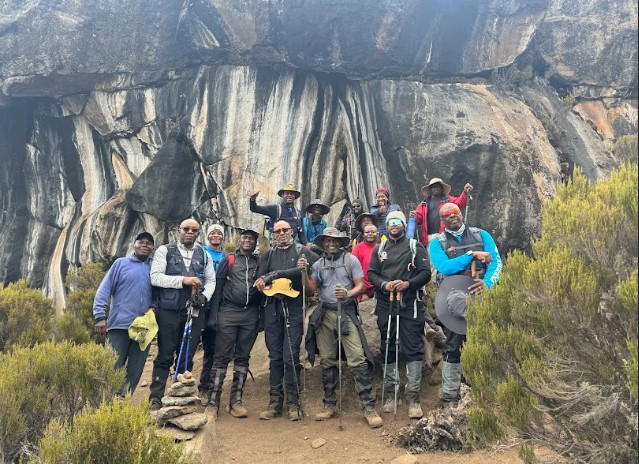
In a bid to create advocacy and proffer solutions to mental health, renowned Nigerian businessman, philanthropist and two-time Rivers State APC Gubernatorial candidate, Mr. Tonye Cole embarked a challenge to climb on Mount Kilimanjaro, to create awareness for 1000 Nigerian youths to receive therapy on mental health matters.
Mental Health Day is observed on October 10 each year to raise awareness about mental health issues, promote mental well-being, and encourage discussions and action regarding mental health support globally.
Each year has a specific theme to guide the focus of conversations and initiatives related to mental health. It’s an opportunity for organizations, communities, and individuals to engage in activities that foster understanding and promote mental health resources.
Between September 14 and 24, 2024, Cole, the Chairman of Behavioral Health Institute, embarked on an expedition to climb Mt. Kilimanjaro as part of an initiative to raise awareness about behavioral and mental health among youths.
Mount Kilimanjaro, located in Tanzania, is Africa’s highest peak, standing tall at 5,895 meters (19,341 feet). Known as the “Roof of Africa,” this majestic mountain is a dormant volcano with three distinct cones: Kibo, Mawenzi, and Shira. Kilimanjaro is famous for its snow-capped summit, despite being situated near the equator.
It attracts adventurers and climbers from around the world, offering diverse ecosystems that range from lush rainforests at its base to alpine deserts and glaciers near the summit.
For Cole, climbing Kilimanjaro was both a physical and mental challenge, adding that it was a journey that symbolizes endurance, resilience, and triumph.
Supported by Global financial technology provider, Leatherback, one of his supporters on the mission, Cole is using his personal achievement to raise awareness to address the mental health crisis among Nigerian youths. This cause is intended to impact them and several others through the Behavioural Health Institute (BHI) by providing free therapy/coaching to 1,000 Nigerian Youths.
In a press conference organised in commemoration of the World Mental Day, BHI Chairman, Tonye Cole disclosed that the Kilimanjaro challenge’s expedition is a cornerstone of a broader effort to raise N500 million by the end of the year 2024.
According to him, the funds will provide free therapy/coaching for 1,000 Nigerian youths, supporting BHI’s groundbreaking work in expanding access to care. Adding that the funds would also contribute to training mental health professionals and integrating innovative technology solutions to widen the reach of care in Nigeria.
“This climb was not just about a personal goal, it was a mission to create real change for thousands of Nigerian youths struggling with mental health,” Mr. Cole said. “It’s about shining a light on this matter, together we can break the stigma attached to seeking help and move mountains for our youth.
“As Tonye Cole has conquered Mount Kilimanjaro, this journey is an invitation for everyone to contribute to this vital cause”, he said.
In her contribution, Founder/CEO, Pinnacle Medical Services, Dr. Maymunah Yusuf Kadiri, lamented that, Nigeria faces a dire shortage of mental health professionals, with just one for every 1,000,000 people.
“This severe lack of access leaves millions of young Nigerians without the support they need. Recognising this urgent crisis, Tonye Cole co-founded the Behavioural Health Institute (BHI) in 2019 to help bridge the gap in mental health services by leveraging technology, training, and capacity-building initiatives.
The Behavioral Health Institute (BHI) was founded in 2018 to address the critical gaps in mental health care in Nigeria. BHI aims to improve access to care through technology and enhance understanding of behavioral health disorders through research, training, and capacity building, all in a stigma-free and welcoming environment.
On using Artificial Intelligence, AI, as a tool for mental health, Maymunah maintained that, AI can help create and distribute mental health materials and resources widely, making information accessible to those in need.
“AI-driven chatbots can provide immediate support and guidance, offering a safe space for individuals to express their feelings and receive coping strategies. AI can analyze trends in mental health data to identify at-risk populations, enabling targeted interventions and resources.
“AI can facilitate online support groups and forums, connecting individuals with shared experiences and reducing stigma.
“AI can optimize social media campaigns to raise awareness and promote mental health initiatives, reaching a larger audience effectively. It can help tailor mental health programs and therapies to individual needs, making support more effective.
“It can assist in providing training and resources for mental health professionals, improving the quality of care delivered. By leveraging these capabilities, AI can enhance awareness, reduce stigma, and increase access to mental health support.
A Board member of BHI, Dr. Sylvia Cole, reiterated that over 75 percent of Nigerians do not have access to mental health treatment hence the need for intensive advocacy to help those who are challenged.
Disclaimer
Comments expressed here do not reflect the opinions of Vanguard newspapers or any employee thereof.