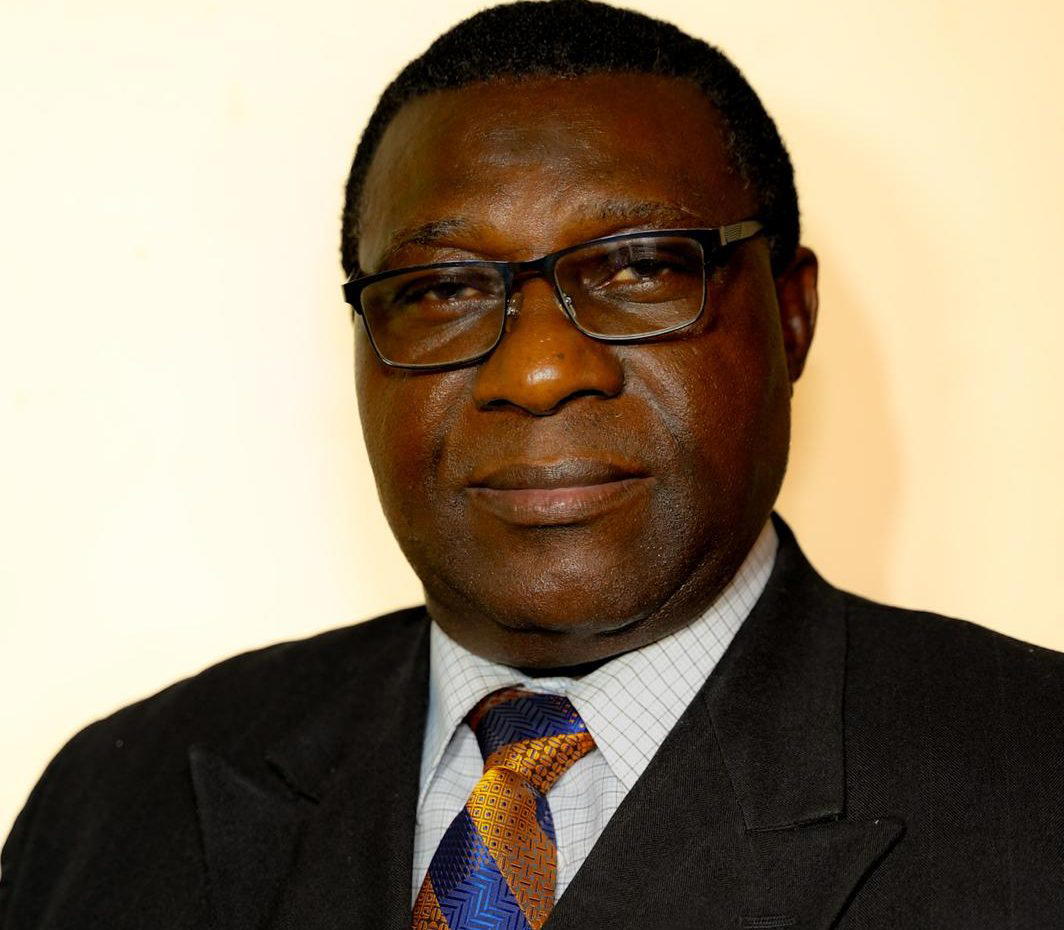
By Prof. Mannixs E. Paul
In today’s closely interconnected global landscape, every nation and individual plays a crucial role in transactions and securing loans. A recent trend, as demonstrated by foreign enterprises seizing Nigerian assets through proper legal procedures in foreign courts, underscores the need for a more strategic approach to loan utilization and the renewal of bilateral agreements. This trend also serves as a reminder that justice always prevails.
When a nation fails to uphold justice, it opens the door for external intervention to enforce the principles of impartiality, equity, and justice, emphasizing the collective responsibility to prevent governance deficiencies.
Before pursuing external loans, it is crucial to thoroughly understand the terms of the agreement and critically assess the nation’s ability to repay. Equally important is evaluating whether the socio-economic and political environment is conducive to achieving the goals for which the borrowed funds are intended. Nations plagued by corruption often need help to use these funds effectively. In such cases, opportunities are exploited for immediate gains, leading to misuse and undermining long-term sustainability.
Reducing unethical business practices is a cornerstone of building a brighter future. By prioritizing selfless service and the common good over personal ambition, we can foster an environment that attracts investment and minimizes risks that could tarnish the nation’s reputation. This approach not only ensures sustainable progress but also holds the promise of a significantly brighter future in today’s interconnected world.
The advancement of a nation is intricately tied to the fairness and effectiveness of its governance. When leaders prioritize personal gain over the common good, they jeopardize the well-being of future generations for short-term wealth. This myopic view weakens the nation’s global competitiveness, leading to widespread suffering, including insecurity, social unrest, deteriorating infrastructure, declining health standards, and economic regression, affecting all sectors of society. This is a pressing issue that demands immediate attention.
The failure to hold leaders accountable has led to numerous scandals in developing nations. As citizens, we are not mere bystanders but active participants in preventing governance failures. Our duty and privilege is to engage in the democratic process and public discourse. In societies with effective justice systems, citizens can drive significant change, underscoring the importance of public engagement in preventing governance failures. This can make the audience feel empowered and responsible for the governance of their nations.
African nations, in particular, have a pivotal role in reshaping their histories. They must hold all current and former government officials and public servants accountable. By fostering a cultural shift driven by active citizen engagement, these nations can transform their narratives and instill future leaders with a deep commitment to accountability, transparency, discipline, and integrity. This potential for change and transformation instills a sense of hope and optimism among citizens and investors, showing them that a brighter future is within reach.
Learning from past mistakes is not just important—it is essential. It is the key to securing a better future for future generations, guiding us toward enlightened and informed decision- making. This awareness is our roadmap to a brighter future and a crucial tool in fostering more accountable and transparent governance. It empowers us with the knowledge to make better decisions and shape a more promising future.
It’s also essential to recognize that African nations, though diverse and unique, face interconnected challenges in their struggle with loan repayment and using borrowed funds effectively. These difficulties are not isolated but result from complex factors, including corruption, poor governance, inadequate planning, economic instability, unfavorable loan terms, debt dependency, political instability, and a lack of enabling environments.
Understanding and acknowledging these interconnected challenges can foster a sense of empathy and understanding in the audience, making them more aware of the complex issues these nations are dealing with.
Many African countries are currently entangled in this intricate web of challenges, which significantly hampers their ability to repay loans and achieve the intended purposes of borrowing. In the following sections, we will explore potential solutions to these challenges, informed by a thorough analysis and understanding of the underlying issues. These solutions could transform African nations’ economies, leading to sustainable growth and improved living standards for their citizens.
Corruption: Corruption is a significant issue in many African nations, with far-reaching consequences for project outcomes. Borrowed funds intended for infrastructure, social programs, or economic development often need to be managed or siphoned off by corrupt officials, preventing these resources from being used as intended. This results in incomplete or poorly executed projects that fail to generate the returns needed to service the debt. Tackling corruption is essential for ensuring the effective use of borrowed funds and the successful repayment of loans.
Poor Governance and Leadership: Weak governance structures and leadership prioritizing personal gain over national interest contribute to the ineffective utilization of borrowed funds. Without strong, transparent, and accountable leadership, projects financed by loans often fail to deliver the expected outcomes, making it challenging for countries to repay their debts.
Lack of Planning and Feasibility Studies: A significant issue is the need for thorough planning or feasibility studies before taking loans. This leads to selecting projects that must be more viable or align with the country’s economic needs. As a result, the borrowed funds do not contribute to sustainable economic growth, making it challenging to generate the revenue needed for loan repayment. Emphasizing the importance of these studies can help ensure that borrowed funds are utilized effectively and contribute to sustainable development.
Economic Instability and External Shocks: African nations often face economic instability due to fluctuating commodity prices, inflation, and external shocks such as global economic downturns or pandemics. These factors can severely reduce a country’s ability to generate revenue, making it difficult to meet debt obligations. Addressing these challenges is essential to ensure successful loan repayment and sustainable economic growth.
High Interest Rates and Unfavorable Loan Terms: Many African countries borrow from international lenders at high interest rates or under unfavorable loan terms, increasing the cost of borrowing and the debt burden and making it difficult to repay loans. Additionally, borrowing in foreign currencies can exacerbate the problem, as any local currency depreciation increases the repayment cost.
Debt Dependency and Poor Debt Management: Some African nations have become dependent on borrowing to finance their budgets and projects, creating a cycle of debt. Poor debt management practices exacerbate this issue, as countries accumulate debt without a clear strategy for repayment or economic growth.
Political Instability and Conflict: Political instability, civil unrest, and conflict disrupt economic activities, making it difficult for nations to implement projects and generate revenue. These disruptions further strain a country’s ability to repay its loans, compounding the debt problem.
Failure to Create Enabling Environments: For borrowed funds to be adequate, there needs to be an enabling environment that includes good infrastructure, a stable political climate, and a supportive regulatory framework. Many African nations need these conditions, leading to the failure of projects financed by loans.
In summary, African nations’ challenges in repaying loans and achieving the purposes of borrowing are deeply rooted in systemic issues that require comprehensive solutions. By addressing corruption, improving governance, enhancing planning and feasibility studies, managing economic instability, securing better loan terms, reducing debt dependency, and fostering enabling environments, these nations can better utilize borrowed funds and achieve sustainable economic growth. It’s important to remember that these challenges are not isolated but interconnected, and holistically addressing them is critical to success.
Prof. Mannixs E. Paul, Chairman, Chartered Examiners of Criminology and Forensic Investigations, USA
Disclaimer
Comments expressed here do not reflect the opinions of Vanguard newspapers or any employee thereof.