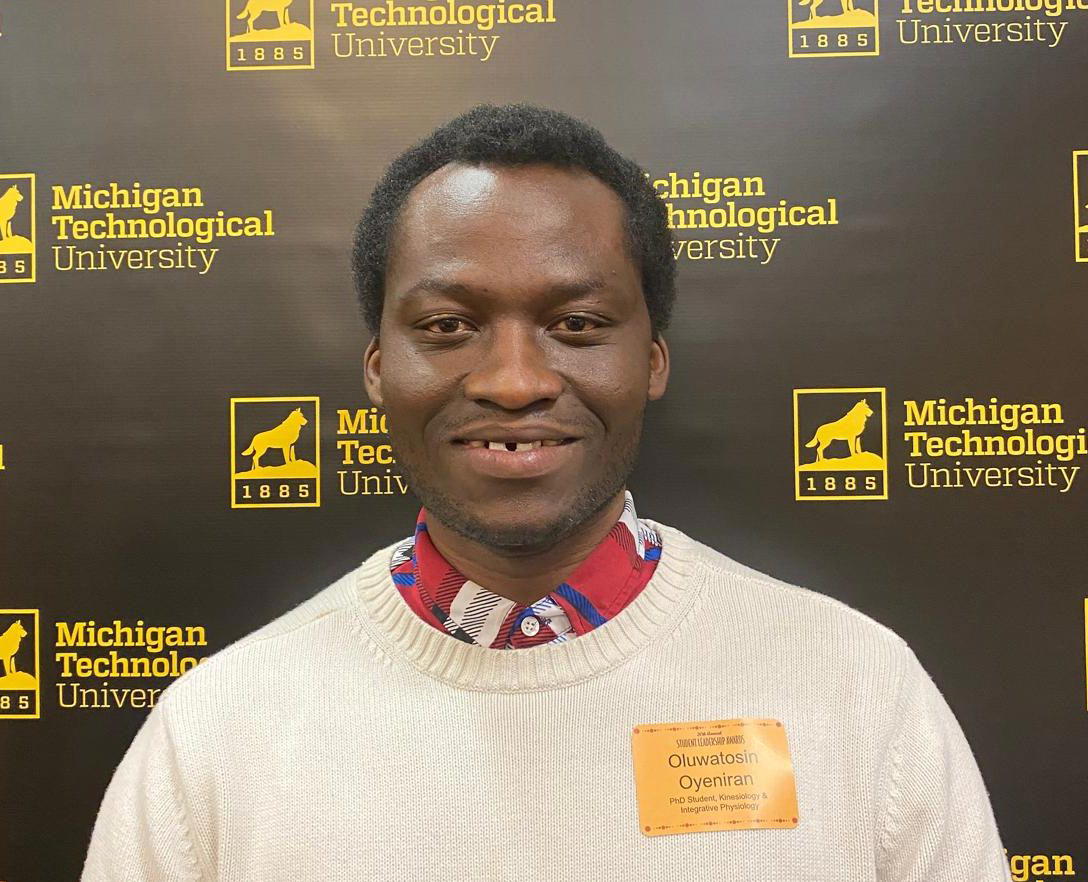
By Elizabeth Osayande
Oluwatosin Imoleayo Oyeniran is an esteemed academic with a robust background in both research and teaching in physiology at Michigan Technological University. With a substantial academic trajectory that includes impactful work in Nigeria and ongoing contributions in the USA, Oyeniran has built a bridge between diverse educational systems through his innovative teaching methodologies.
In an exclusive chat with Vanguard, he shares his thoughts on education through the lens of the USA and Nigeria.
How can you explain how your research into active learning in physiology education is relevant in diverse educational settings like the USA and Nigeria?
My research into active learning strategies is designed to address the universal challenge of engaging students in complex subjects like physiology. In the United States, where there is significant access to technology and resources, these strategies include sophisticated simulations and interactive models that help students visualize and understand physiological processes in real time. Conversely, in Nigeria, the approach needs to be adapted due to more limited resources and larger class sizes. Here, the focus is on creating cost-effective, scalable models that can still offer interactive experiences without the need for extensive technological infrastructure.
How has the reception been in these different contexts, and how do you tailor your approaches to fit such varied environments?
The reception has been overwhelmingly positive, though it comes with specific challenges in each context. In the USA, the challenge is often about integration with existing technologies and curricula, ensuring that these new methods enhance rather than disrupt the learning process. In Nigeria, the excitement is tempered by logistical challenges — how do we implement these strategies effectively in under-resourced schools? My approach has been collaborative; working closely with local educators to modify these strategies in ways that are both practical and impactful.
Considering these educational strategies, what potential impact do you foresee on public health in countries like Nigeria and the USA?
The impact on public health could be profound. Better-educated physiology students become more competent healthcare professionals. This is crucial for public health, especially in a country like Nigeria, where there is a dire need for skilled health service providers who can deliver quality care in both urban and rural settings. In the USA, this education model fosters a generation of medical professionals who are not only skilled in their fields but are also innovators and problem-solvers, capable of addressing complex health challenges through a research-informed approach.
What are the next steps in your research and implementation of these educational innovations?
The next steps involve expanding the reach of these educational tools through digital platforms, making these resources accessible to a broader audience. We are exploring partnerships with educational institutions in Nigeria to pilot these techniques in a way that can be scaled up. Additionally, there’s a push towards incorporating artificial intelligence to personalize the learning experience, adapting the educational content to fit the learning pace and style of individual students.
In closing, could you share how personal experiences have shaped your focus in this field?
Certainly. Having experienced the educational systems in both Nigeria and the USA, I’ve seen firsthand the disparities and the potential for improvement. My journey from a student in Nigeria to an academic in the USA has imbued me with a passion for making education both accessible and effective. It’s not just about transferring knowledge; it’s about inspiring students and empowering them to apply their knowledge practically. This drive is what fuels my research and my commitment to educational reform. I am hopeful about the future of educational innovation and its role in enhancing both educational outcomes and public health globally.
Disclaimer
Comments expressed here do not reflect the opinions of Vanguard newspapers or any employee thereof.