Says HYPREP’s claim of 70% completion baseless
By Gabriel Olawale
Civil Society Legislative Advocacy Centre, CISLAC, and its allies have raised the alarm over the level of politicking that has enveloped the entire clean up process which was conceived to restore, remediate and rehabilitate the people of Ogoni and the Niger Delta region as a whole.
Speaking during a media parley organized by CISLAC in partnership with Cordaid, Executive Director of CISLAC, Auwal Musa, said that four years after the federal government flagged off the much-acclaimed Ogoni clean-up, nothing tangible had been achieved.
According to him, “Although a framework for a definite intervention was provided in 2011 through a report by the United Nations Environment Programme UNEP, the issues surrounding contaminated land, groundwater, surface water, sediment, vegetation, air pollution, public health, and industry practice are yet unresolved, thus endangering the lives of millions of hapless citizens in the area.
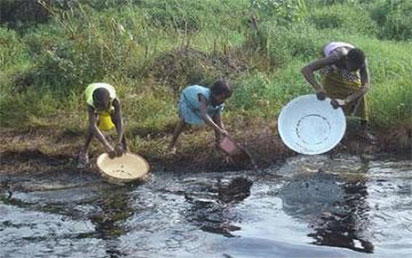
“Several oil spills have negatively affected human health and other receptors including land, air, and water resources, leading to extensive socio-economic and cultural impacts on local communities in the area.”
Musa said that field observations showed that most lots had stopped work long before the COVID-19 pandemic in Nigeria, insisting that “Some lots had stopped work between September 2019 and January 2020, reportedly over lack of payments, while others are still active, with reduced staff capacity. There have been increased protests by workers on sites.
ALSO READ: Ogoni oil exploration: Terms interested operators must meet — Host communities
“Evidence also exists that workers have not been paid because contractors have not been paid too. While contractors lobby to be paid, others have locked their sites and embarked on ‘no pay no work. What this means is that the institutional issues, as well as recommendations and steps to be followed in carrying out the exercise, have become victims of senseless politicking”.
He described the claim by Hydrocarbon Pollution Remediation Project, HYPREP that 70 percent of the first phase of the project had been completed as baseless and false, “It is difficult to understand the reason for indebtedness given that HYPREP has no funding challenge. In the midst of all these, HYPREP had claimed 70 percent completion of the project.
“This claim is hasty and largely premature. The Minister of Environment had recently announced some restructuring. We demand a clear position of what is up for restructuring and why such a claim seems to be stalled since it was announced at FEC.
“We however cannot allow the people who are adversely affected by this to be groaning in pains. People of Ogoni can still not breathe. We call on the Governor of Rivers State to support this project. We recently dispatched the scorecard on this project to the liaison office in Abuja and it was returned. We think this is resulting to cheap politics”, he noted.
Corroborating his views, CISLAC Conflict Adviser, Salaudeen Hashim, said that the environmental remediation aspect of the project and associated critical infrastructure required for effective contaminated land remediation are yet to be developed and thus pose a significant risk to the achievement of the overall project’s goal.
“Of the eight elements on the emergency measures, only public awareness of the project has been attempted. Even that has been weak and ineffective following the weak strategy adopted by HYPREP.
“On the remediation, the competence of the contractors, access to funds, the Ogoni context and terrain, and choice of ‘one-size-fits-all technology’ remain major challenges for contractors. HYPREP’s competence and understanding of UNEP’s recommendations is perceived as a challenge for the success of the project.”
Disclaimer
Comments expressed here do not reflect the opinions of Vanguard newspapers or any employee thereof.