Electricity
By Sonny Atumah
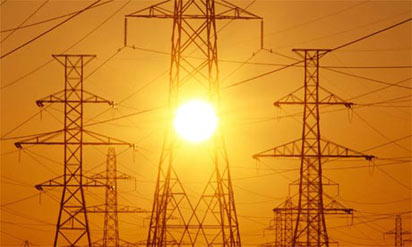
For some time now Nigeria has been experiencing a wobbly energy infrastructure in terms of power generation and distribution.The consequence of this unsteady critical infrastructure is that we have perennially become a potentially great nation; having the capacity to develop or succeed for decades.
 The world looked up to Nigeria that has become a potential giant from the continent of Africa, with her vast natural and human endowments. Today we are not in the club of great nationsbecausewe have not been able to utilizeourinnate releasing mechanisms to stimulate instinctive behaviours.
We have not been successful in making the most of the potential energy to generate electric power for needed socio-economic development.We traversed energy sources from hydro tofossil fuels. In the early 2000s we embarked on grandiose electric generating projects with virtually no provisions for gas supplies to power generating plants. Some generating plants were sited in areas not close to gas sources.
Pipelines were connected to power plants but for unknown reasons became vulnerable and vandals’ havens. The result was some generating capacity without corresponding distributing capacity. It is inexplicable that Nigeria of the 21st century cannot generate and distributeup to 5000 megawatts of electric power from petroleum, save for security which can be addressed if we are serious.
With insufficient powerand relying on western technology and global warming crusadewe are becomingenervated, restiveand restless,and contemplating alternatives. Renewable energy sources are solar, wind, biomass, biofuel, geothermal and hydropower. We have comparative and competitive advantages in known conventional energy sources as fossil fuels of coal, oil and gas. Nigeria is now touting and palavering about nuclear energy for electricity while some countries have started phasing them completely.
Nations that acquired nuclear energy facilities have varied stories to tell. Nuclear energy economic safety and labour problems are reasons for shutdowns in the United States. France has cancelled several planned nuclear reactors and has replaced aging nuclear plants with environmentally safer fossil fuel plants.
Germany announced a planned phase out of nuclear energy in 1998.In Italy a 2011 referendum rejected the 2009 legislation setting up arrangements to generate 25 percent of electricity from nuclear power and bringing new nuclear plants to a halt. This was a fallout of the April 26, 1986 Chernobyl nuclear reactor in the present day Ukraine (defunct Soviet Union).
As a frontline state againstapartheid, Nigeria established the Nigeria Atomic Energy Commision (NAEC) for the national nuclear energy programme implementation with nuclear research centres at Zaria and Ile Ife in 1976. We did not progress beyondthe 30 Kw Chinese miniature neutron source research reactor commissioned in Zaria in2004 .
The nuclear programme was in response to fears thatthe defunct apartheid regime had acquiredweapons of mass destruction including biological, chemical and nuclear weapons. Heralding majority rule, South Africa dismantled the nuclear weapons, making her the first nation to have done so.
President Buhari early April 1, 2016 at therecently concluded Nuclear Security Summit in Washington pressed for Nigeria’s nuclear energy development for her energy needs.In March he eagerly welcomedthe International Atomic Energy Agency (IAEA) Director General, Yukiya Amanoand his agency’s support for Nigeria’s 1000 MW nuclear facility expandable to 4000 MW.
One believes that liquid fossil fuel energy source especially natural gas is cheaper in all ramifications. High construction costs, strict building and operating regulations, and high cost for waste disposal make nuclear power plants much more expensive to build and operate than plants that burn fossil fuels.It cost even more to decommissionnuclear plants when they cease to be productive and wastes are very serious contributors to pollution.
If we may embark on this mission all stakeholders involved from the conception to commissioning including NAEC leadership and two host communities proposedin two states must be kept intact.We learnt that since appraisal teams visited in 2009, no follow ups have been made to any site. Nigeria is supposed to have actualized the Nuclear Programme infrastructure between 2006 and 2017.
One may wish to advise on the dangers and fears expressed by industrialised nations that have nuclear power. Chernobyl was the worst power plant accident and won’t be inhabited for at least 20,000 years.The battle to contain the contamination and avert a catastrophe involved 500,000 workers and cost about 18 billion rubles(1RUB =USD29.97) 1986 conversion rate.
The fourth and finalNuclear Security Summit of April 1, 2016 initiated by President Barack Obama for52 world leadersand four international organisationscommuniqué cautioned on the security of nuclear materials, facilities and the preventionof nuclear terrorism.
China which is the country with the fastest growth in nuclear power is using nuclear energy to bridge the gap in their energy supply, and address the challenges posed by climate change. China put her nuclear energy development on hold after the March 11,2011 Fukushima nuclear disaster in Japan.
Expertswarnthat with proliferation of nuclear energy in relation to medical technology, geochemistry, mineral explorationand petrochemical analysesterrorists may in the near future use nuclear devices to launch dare-devil attacks.Top priority should be given to nuclear security toprevent terrorists from using the internet to attack nuclear facilities.
Let us understand what Glenn Seaborg a 20th century chemist said that: People must understand that science is inherently neither a potential for good nor for evil. It is a potential to be harnessed by man to do his bidding. Let us have a plan out to stop being a potential Nigeria.
Disclaimer
Comments expressed here do not reflect the opinions of Vanguard newspapers or any employee thereof.