


Will President Jonathan address the challenge of legitimacy in Africa?
JUST as the most stable form of the state is an empire so the most sustainable system of rulership for a people that have been enslaved or colonised is a republic and their most legitimate form of government is a democracy.







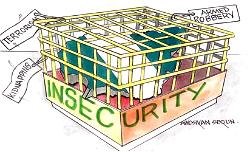



Overhauling the national security management system
PROFESSOR Julius Ihonvbere, the Secretary to Edo State Government, provided an insight that is useful in the appreciation of the challenges confronting the President’s National Security Advisers. It is as C-in-C that a President is intimately involved in national security management through the appointment of his National Security Advisers.
Boko Haram and the Nigerian political elites
By John Amoda CAN the governing elites in Nigeria be divided on the intentions of the Boko Haram? The answer is yes, they are divided. But should they be divided, the answer is no- they should not be divided. Why? The Boko Haram have not hidden their intentions to transform Nigeria into a Sharia state […]

Mining the cultural wealth in our traditional rulers
AS a republican in a Republic of Nigeria I have not harboured kind thoughts on the value of the institutions of traditional rulership. I saw their survival in an empire as a function of the strategies of pacification and policing of populations ultimately ruled by imperial force.

The politics of excellence:The superior Eagles
SIMON Kolawole’s “A Lesson Or Two From Super Eagles” in ThisDay of Sunday February 17, makes the connection between politics and excellence. The Super Eagles, according to Kolawole, exemplified the relevance and wisdom of decision made on the merit of what is the case.
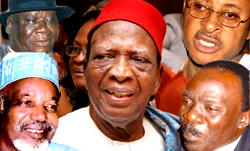
Nwabueze, failing states and urgent calls for national confab
THISDAY, February 17, 2013 in the Sunday News page carries the story titled, “Nigeria Sliding into a Failed State, say Nwabueze, Akinrinade, others- seek convocation of National Confab”. It is this phrasing of the National Question that informs the title of this particular column.