The Nativity: Why Mary belongs to us all
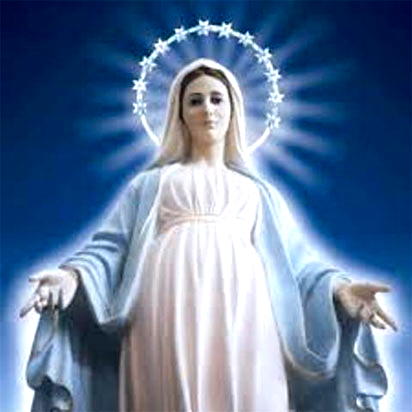
By Valentine Obienyem As our chaplain, Fr. Chigozie Jidere, proclaimed today’s Gospel on the genealogy of Jesus, my mind went to the story of Hecataeus of Miletus. Within the colossal inner halls of the temple of Amun at Egyptian Thebes, Hecataeus boasted to the priests that he could trace his lineage back sixteen generations to […]




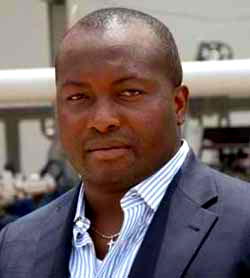
Fuel scarcity: The patriotism and nationalism of Dr Ifeanyi Ubah
As many Nigerians were still savouring the historic victory of General Muhammadu Buhari at the presidential polls, oil marketers in the country began to grumble over alleged unpaid subsidy claims. Like a joke, it began but within few weeks their threats began to materialize.
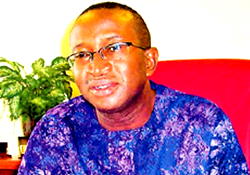
Victor Ndoma-Egba: Portrait of legislative excellence
The above statement reportedly originated from a letter Julius Caesar wrote to the Roman Senate around 46 BC, after achieving victory against Pharnaces II of Pontius at the Battle of Zela.
Change and illusion of sitting on the fence
AS our nation, Nigeria, undergoes a political watershed in her history with the first transfer of power from an incumbent to the opposition, the concept of CHANGE has assumed a new position in the psyche of Nigerians. It is now seen as the bedrock of that metamorphosis. It all began when the All Progressives Congress, APC, the party of the new President, crested to victory on the slogan of change as the vehicle that will dismantle the present dystopia to usher in a new Eldorado.
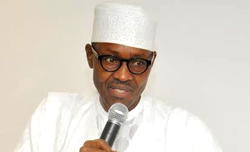
Buhari and the unfinished business of governance
WHEN in December 1983 Muhammadu Buhari took over as Nigeria’s Head of State in a military coup that ended the four- year rule of Shehu Shagari, his regime signalled a return to the authoritarian dictates of military politics after a hiatus of just four years. The no-nonsense rule that Buhari and his stern deputy, Tunde Idiagbon, established was supposedly modelled on the equally no-nonsense regime of Murtala Mohammed that had been terminated nearly a decade before.
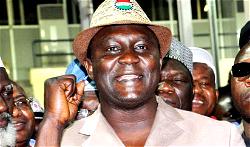
Why small skilled labour must be professionalised
More than 40% of the unemployed and underemployed in Nigeria engage in small-skilled labour or what some termed as unskilled or hard labour, and these people are potentially vulnerable to abuse, exploitation, discriminations, and seldom used to perpetuate crimes.