By Kunle Afolayan
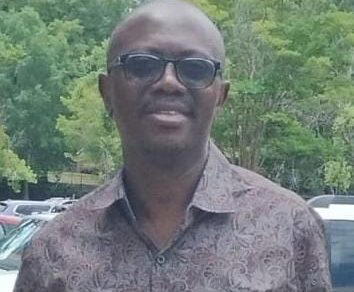
Dr. Adekunle Rowaiye, a veterinarian with nearly 30 years’ experience has made giant strides in veterinary medicine and pharmaceutical biotechnology research. In this interview, he addressed the challenges confronting the practice of biotechnology and veterinary medicine in Nigeria, advocating for enhanced investment, policy reform, and public engagement to drive positive transformation.
In your opinion, what are some of the most pressing challenges facing the field of biotechnology and veterinary medicine in Nigeria and Africa, and how do you propose addressing them?
Biotechnology and veterinary medicine in Nigeria face numerous challenges, including limited research funding, inadequate infrastructure, a shortage of skilled personnel, inconsistent regulatory frameworks and policies, a general lack of public awareness, poor understanding and acceptance of the benefits of biotechnology, limited access to quality veterinary services, and poor disease surveillance systems.
The government should lead by increasing investments in these critical sectors, and the private sector should be encouraged to follow suit. Establishing partnerships with international organisations and creating funding incentives for research initiatives are also essential.
By addressing these challenges through investment, education, policy reform, and public engagement, we can significantly advance biotechnology and veterinary medicine in Nigeria, leading to better public health, economic development, and overall well-being.
Given your academic experience, what steps can be taken to enhance research and innovation in Nigerian universities and research institutions?
Science needs to become more enticing by shifting its focus from purely academic exercises to endeavours with commercial viability. This shift is crucial to attract investments.
Nigerian universities should update their curricula to reflect this paradigm shift, while research institutes should channel their energies into exploring local bioresources. For instance, there should be a concerted effort to develop more drugs derived from indigenous sources, thereby tapping into the potential of local resources for scientific and economic advancement.
Scientific advancements should result in the creation of products and services that positively impact our economy. Currently, significant foreign exchange is expended on goods that could be produced and developed within Nigeria.
What are your thoughts on the integration of traditional African medicine with modern biotechnology and pharmaceutical practices? Do you see opportunities for synergy between the two?
Integrating traditional African medicine with modern biotechnology and pharmaceutical practices, akin to the successful models in China and India, is feasible with stringent regulatory frameworks. This integration offers a range of benefits that can contribute significantly to healthcare and drug discovery in Nigeria.
By this integration, we may discover novel natural compounds, enhance efficacy and safety, promote cultural and community engagement, promote the sustainable use of our local resources, and broaden the spectrum of drug discovery beyond synthetic compounds.
How do you believe your background in veterinary medicine has influenced your approach to pharmaceutical biotechnology research?
Many subjects in pharmaceutical biotechnology, such as biochemistry, microbiology, and genetics, are fundamental to the veterinary medicine curriculum. My background in veterinary medicine has significantly shaped my approach to pharmaceutical biotechnology research, providing a comprehensive understanding of health and disease and emphasising the interconnectedness of biological systems.
My veterinary training has equipped me with translational research skills, bridging basic science and clinical application, and offering valuable insights into drug development and testing in preclinical models.
Veterinary medicine involves an interspecies-comparative approach and the One Health concept, a core principle which recognises the interconnectedness of human, animal, and environmental health. This background has refined my precision laboratory skills and greatly contributed to my career in drug discovery, particularly in identifying and characterising new therapeutic agents.
Could you highlight a specific project or research endeavour that you are particularly proud of, and what were the key outcomes or findings?
For my doctoral project at the Nnamdi Azikiwe University (Unizik), I profiled approximately eighty Nigerian fruits, vegetables, and spices to identify molecules that could trigger the Activating receptors of Natural killer cells (NKC). NKCs are specialised cells in the blood responsible for immune surveillance against viruses and tumour cells.
It was a significant revelation to discover the immune-stimulating and anticancer potential of vegetables such as Utazi (Gongronema latifolium), okra, locust beans, and others. These findings have been published in scientific journals, highlighting their promising therapeutic benefits.
Can you share a pivotal moment from your professional journey that significantly shaped your career trajectory?
While working as a veterinarian in Lagos, Nigeria, I faced the issue of antibiotic resistance on various catfish farms, seemingly caused by misuse of antibiotics by the farmers. This realisation highlighted the need for sustainable solutions in drug discovery and vaccine development, prompting me to delve into the molecular dimensions of medicine. Additionally, I noted that African Giant snail species do not crossbreed, as they engage in species-specific mating. I was keen to explore ways to manipulate this behaviour, which motivated me to pursue a master’s degree in biotechnology in the UK.
You’ve been actively involved in promoting livestock farming through workshops. How do you see the future of agriculture and veterinary science evolving in Nigeria, particularly in light of technological advancements?
Recent advancements in technology are poised to drive the positive evolution of agriculture and veterinary science in Nigeria. The key challenge lies in the pace of this transformation.
By securing a stronger commitment from pertinent stakeholders, we can narrow the gap between Nigeria and more technologically advanced regions. Transformation within these sectors must be substantial and purposeful, rather than relying on random drift or mutation forces.
Could you elaborate on your current research focus at the Biomanufacturing Research Institute and Technology Enterprise (BRITE) in the United States? How do you envision this research contributing to advancements in healthcare?
My current research focus at BRITE revolves around prospecting for anti-ageing molecules. The aim is to identify compounds or substances that have the potential to slow down the ageing process in humans. In terms of contributing to advancements in healthcare, this research holds significant promise.
Anti-ageing molecules, if discovered and developed successfully, could lead to the creation of novel therapies and interventions that improve the quality of life for individuals as they age.
By unravelling the mechanisms of ageing and identifying compounds that can modulate these processes, we can potentially delay the onset of age-related diseases and age-related decline in physiological functions. This could have far-reaching implications for healthcare, including extending a healthy lifespan, reducing healthcare costs associated with age-related diseases, and enhancing overall well-being in ageing populations.
As a recipient of various awards and recognitions, how do you believe these accolades have influenced your career and contributed to your professional development?
Receiving numerous awards and recognitions over my career has profoundly influenced my professional growth. These accolades validate my expertise, bolster my credibility globally and locally, and create avenues for networking and collaborations that elevate my career path.
This increased visibility has led to an increased search engine optimisation, a flood of invitations to international conferences, requests for peer reviews, opportunities to publish in prestigious journals, and more. Overall, these recognitions fuel my passion, expand my network, and strengthen my dedication to making meaningful contributions to my field and beyond. I am motivated!
How do you navigate the balance between theoretical knowledge gained through academic pursuits and practical application in your field?
I start by establishing a solid grounding in theoretical concepts through rigorous academic study, staying abreast of the latest research, and maintaining a commitment to continuous learning. At the same time, I place a strong emphasis on practical application by actively pursuing hands-on experience, internships, and real-world projects.
This approach enables me to effectively apply theoretical knowledge to address practical challenges, acquire valuable skills, and develop a deep understanding of industry practices. Achieving this balance necessitates a holistic approach that fosters adaptability and enables me to make meaningful contributions to my field.
As someone deeply involved in both academia and research, what advice would you offer to aspiring young professionals looking to enter the field of biomedical sciences?
To stay updated with the latest research and advancements in the field, young professionals must be dedicated to ongoing capacity building and constantly pursuing new knowledge. Similarly, mentorship and interdisciplinary collaborations are crucial. They must also make themselves visible by publishing their research findings.
Looking ahead, what are your aspirations for the future of your career, and what legacy would you like to leave in the field of biotechnology and veterinary medicine?
I aspire to leave a legacy of comprehensive exploration in both pharmaceutical biotechnology and veterinary medicine. Many veterinarians tend to limit themselves to clinical practice, but I aim to push beyond these boundaries. My goal is to reach the pinnacle of excellence in both fields by leveraging the synergies between pharmaceutical biotechnology and veterinary medicine.
I envision myself at the forefront of addressing global health challenges through the development of innovative vaccines, drugs, and therapeutic agents. This involves contributing significantly to both human and animal health outcomes. Ultimately, I strive to be a trailblazer in advancing the frontiers of knowledge and innovation, driving positive change, and leaving a legacy in the fields of pharmaceutical biotechnology and veterinary medicine.
Quotes:
● To stay updated with the latest research and advancements in the field, young professionals must be dedicated to ongoing capacity building and constantly pursuing new knowledge.
● Nigerian universities should update their curricula to reflect this paradigm shift, while research institutes should channel their energies into exploring local bioresources.
Disclaimer
Comments expressed here do not reflect the opinions of Vanguard newspapers or any employee thereof.