File
Sebastine OBASI
Energy is the main contributor to air pollution which kills millions annually, but a 7 percent increase in energy investment could cut death toll significantly, says the International Energy Agency, IEA, report just released.

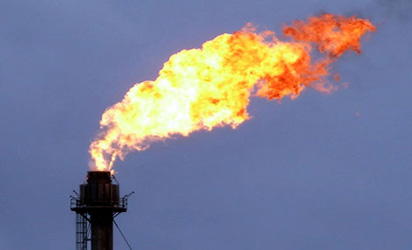
*Gas flare
The report said that the IEA strategy based on existing energy technologies and policies can cut 50 percent of pollutant emissions, the fourth-largest threat to human health, by 2040
Each year an estimated 6.5 million deaths are linked to air pollution with the number set to increase significantly in coming decades unless the energy sector takes greater action to curb emissions. Air pollution is a problem felt around the world, particularly the poorest in society. No country is immune as a staggering 80% of cities that monitor pollution levels fail to meet the air quality standards set by the World Health Organization.
Premature deaths from outdoor air pollution are projected to rise from 3 million today to 4.5 million by 2040, concentrated mainly in developing Asia. Meanwhile, premature deaths from household air pollution will decline from 3.5 million to 3 million over the same period, although they continue to be heavily linked to poverty and an inability to access modern energy.
In its first ever in-depth analysis of air quality, the IEA’s World Energy Outlook (WEO) special report released last week highlights the links between energy, air pollution and health. It identifies contributions the energy sector can make to curb poor air quality, the fourth-largest threat to human health, after high blood pressure, poor diets, and smoking.
Energy production and use – mostly from unregulated, poorly regulated or inefficient fuel combustion – are the most important man-made sources of key air pollutant emissions: 85 percent of particulate matter and almost all of the sulfur oxides and nitrogen oxides. Millions of tonnes of these pollutants are released into the atmosphere each year, from factories, power plants, cars, trucks, as well as the 2.7 billion people still relying on polluting stoves and fuels for cooking (mainly wood, charcoal and other biomass).
In the central outlook of the WEO special report, growing attention to this issue and an accelerating energy transition post-COP21 puts global emissions of these pollutants on a slowly declining trend to 2040. However, the problem is far from solved and global changes mask strong regional differences: emissions continue to fall in industrialised countries. In China, recent signs of decline are consolidated. But emissions generally rise in India, Southeast Asia and Africa, as expected growth in energy demand dwarfs policy efforts related to air quality.
“Clean air is a basic human right that most of the world’s population lacks,” said IEA Executive Director Fatih Birol. “No country – rich or poor – can claim that the task of tackling air pollution is complete. But governments are far from powerless to act and need to act now. Proven energy policies and technologies can deliver major cuts in air pollution around the world and bring health benefits, provide broader access to energy and improve sustainability.”
The report presents strategies tailored to various country circumstances to deliver cleaner air for all. A Clean Air Scenario demonstrates how energy policy choices backed by just a 7 percent increase in total energy investment through 2040 produce a sharp improvement in health. Under such a scenario, premature deaths from outdoor air pollution would decline by 1.7 million in 2040 compared with our main scenario, and those from household pollution would fall by 1.6 million annually.
Disclaimer
Comments expressed here do not reflect the opinions of Vanguard newspapers or any employee thereof.