By Chioma Obinna
The Federal Government has been called upon to enact new and effective policies against the menace of obstetic fistula, a complication caused by prolonged labour, that contributes to maternal mortality and morbidity in the country.

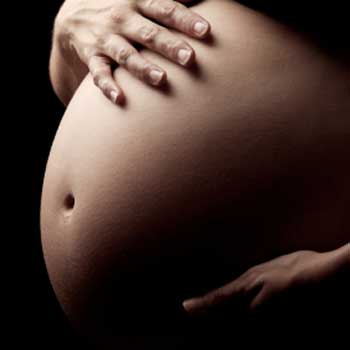
Pregnant-mother
An obstetric fistula is an abnormal hole between the bladder or rectum and the birth canal, characterised by continuous and uncontrollable leakage of urine or faeces following childbirth. It occurs mostly as a result of prolonged labour during childbirth.
Making the call in Abakaliki, Ebonyi State, during a 4- day media training workshop on Fistula, a Clinical Associate, with Fistula Care Plus, Dr Suleiman Zakariya, said every year, 12,000 women in the country are affected by obstetric fistula while over 150,000 women are currently suffering from the condition.
Zakariya, who spoke at the event organised by Engender Health, regretted that only 5,000 women affected by fistula have access to treatment.
He described obstetric fistula as a manifestation of a sub-optimal healthcare system. “The condition is preventable, but the most vulnerable group is the young, poor, illiterate, rural women who are economically disadvantaged.
“There is need for government to provide needed policies to reduce chances of women coming down with fistula,” he argued.
Recommending education for women as part of strategies to reduce the problem, he said “There is need to improve the health seeking behaviour of Nigerian women and access to family planning. There is also the need to upgrade care for obstetric care to prevent obstetric fistula.”
Further, Zakariya called for increase in political will in health issues through upgrading of health infrastructure among others. He spoke extensively on the plight of women living with fistula noting that in sub – Sahara Africa and Asia, there are 50,000 to 100,000 new cases annually.
“Some have lived with it for over 25 years and if not treated will live with it for life. A woman in sub-Saharan Africa has 1 in 16 chances of dying in pregnancy or child birth compared to 1 in 4,000 risks in developed countries.”
On her part, a Reproductive Health and Family Planning Advisor with Engender Health, Dr. Olajumoke Adekogba, said family planning was a major factor in the fight against fistula.
“Healthy spacing of pregnancies is an important factor in ensuring that mothers and children are healthy. It is also an important tool to check the vulnerability of women to obstetric fistula.”
She said family planning methods are safe and efficient but said approved providers should be consulted.
Disclaimer
Comments expressed here do not reflect the opinions of Vanguard newspapers or any employee thereof.