Lassa-fever
By Denrele Animasaun
He who cures a disease may be the skillfullest, but he who prevents it is the safest physician. — Thomas Fuller
The good news is, Nigeria is not on the top countries with the most dangerous cities to live in, but, the bad news is; that Lassa fever has entered Nigeria and not for the first time too.
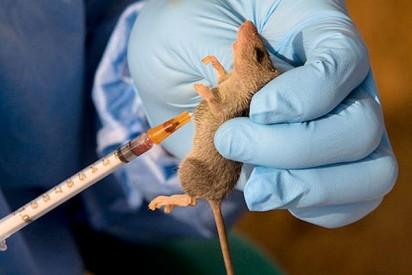
During 2012 and 2013, Nigeria recorded more than 2,900 Lassa fever cases across several states and this time around, it is beginning to spread once more. What we have been told is; Lassa virus is carried by wild multimammate rats (Mastomys species), and they sheed the virus in their urine and droppings. It is just the right condition for such disease to spread. With substandard living, overcrowding, poor sanitation, open sewers, open waste dumps it is easy to see how this virus can spread and with these infected rats they have ferocious ways of multiplying .
They thrive and mingle where people live and work. It is a common fact that rodents populate in dirty environment. So, it is imperative that the public health and education reflect this and it should take an active role to limit the spread of this pernicious disease and help eradicate its propagation.
It is within the will of the people and the government to adjust our living conditions to help limit and prevent Lassa Fever. Although, like Ebola, the Lassa fever can and will potentially kill hundreds of people, unless, there is a massive concerted effort by all to contribute and work together to make their respective surroundings, homes clean and hygienic. Once these rodents are infected with the Lassa virus, they simply shed the virus throughout their life and can continue to spread the disease over and over again.
The transmission of Lassa virus to humans occurs through contamination of broken skin, mucous membranes via direct or indirect contact and air-borne with infected rodent in rubbish dumps, open sewers, cracks in floors, work surfaces, any surfaces, in food or water and breathing in infected rodent droppings and urine.
Transmission also takes place when the infected rodents is caught and eaten by humans, yes, some eat rats and sadly, Lassa fever is spread through these routes from person to person through infected bodily fluids such as blood, saliva, urine, semen (Patients can transmit the virus via semen for up to three months) and once the patient has recovered, they can stay infectious via semen and urine so the patients must avoid sexual intercourse for three months.
The onset of the symptoms of Lassa Fever can easily be confused with ordinary fever. It starts with fever and shivering, general unwellness, body weakness, headaches, aches and pains, sore throat, nausea, vomiting, cough, swelling of the head and neck, diarrhoea and in severe cases, bleeding can occur into the skin, mucisae and deeper tissues and major organ failure leading to death. For those who are fortunate to recover but they may suffer from extreme tiredness for many weeks after the initial diagnosis and others may have complications like deafness.
The infection is fatal in 15% of patients and in pregnant women in particular, the Lassa Fever is severe and those in third trimester, in 95% of the cases ends up still birth or miscarriage. The most effective treatment is having a clean and hygienic surroundings and this could help reduce the prevalence of infected rodents , once diagnosis is made, the disease can be treated with antiviral drug called Ribavirin, which seems to be the most effective if it is started within the first 6 days of illness, and should be given intravenously for 6 days and additional fluid replacement,blood transfusion and ample recuperation period needed.
It is the responsibility of the public health department to share information,deliver a concise and comprehensive health plan to assess, diagnose and manage those infected and ensure the health of the public is protected as a priority.
Many moons ago, we use to have sanitation inspectors, who were dreaded and fondly called Wole,Wole. This may not be a bad idea to resuscitate the role of the sanitation inspectors and tasked them with the job of ensuring that cleanliness and hygienic environment is back on the agenda. This move is well overdue. These sanitation inspectors were dreaded because they had power to issue fines on errant householders and slack employers. Their presence and intervention may help save lives and prevent opportunistic diseases as it did in the past. It is about time, we go back to basics. And for those sceptics, can I remind them, how we reluctantly got behind the monthly Sanitation day and how over the years it had become part and parcel of the collective Nigerian mainstay. Admittedly, it was forced upon us and had to be rigidly imposed to ensure that it happens in every home, street, city, town and villages and state.
This will be no different. We need a new cadre of sanitation inspectors, fully trained and given the powers to enforce the sanitation regulations to the letter. We do not have to reinvent the wheel; this could be an extension of the environmental sanitation day, the inspectors will ensure that over hanging bushes, stagnant waters, refuse landfills, markets and commercial buildings are up to sanitation and hygienic standards. After all, it is for the good of everyone that health remains high on the agenda.
These sanitation inspectors would go into homes, schools, churches, mosques and work areas to ensure that hygienic standards are adhered to, and they should be given the powers to close down places down or slap a hefty fine for those who perpetually flaunt the hygiene regulations.
Recently, I read that the Lagos State Environmental Health Officers killed over 8,000 or 40,000 rats (depending on the source of the report) since the outbreak of Lassa fever and I am sure there are other states with similar intervention. So the more, the better, this is not the time for empire building, this is the time to share best practice and data .
I understand that the Lagos State Commissioner for Environment, Dr Babatunde Adejare,has declared zero tolerance for environmental pollution to curtail the spread of Lassa Fever.The commissioner stated that the Lagos State government has given the Kick Against Indiscipline Brigade and the Kick Force, with the assistance of other enforcement agencies, to clamp down on all violators of its environmental laws. He maintained the mobilisations of personnel and equipment to ensure;” constant monitoring and enforcement for a sustainable environment” and to halt Lassa Fever, Lagosians must maintain personal hygiene, proper sanitation in their environment, especially clean-up of the vegetation in their premises, and proper bagging and disposal of waste to keep off the wild vector rats spreading the virus.’’
I agree, but this is not the time for punitive measures and recriminations. The moment calls for encouraging collective responsibility and with local and national support informed by best practice and comprehensive public hygiene standards.
World Health Organisation (WHO) guidelines to control Lassa fever includes; the use of food storage containers, keeping cats along with other interventions such as house repairs and rodent extermination. It is imperative that there is a national and local incorporation of sanitation and hygiene programmes such as; health education leaflets,community health plays and drama programme in the media, in cities,public places and in villages that carry the same health sanitation campaigns. With the establishment of a National Centre for Disease Control, this would be best placed to ensure the programme is linked regionally and that it becomes the central hub for collective data and actions.
Public health education is a very powerful tool and the more people are aware of the health message, the better. In Sierra Leone, for instance, the DfID-funded project called Wash (water, sanitation health) worked with dozens of villages and trained villagers on Lassa fever education and rodent control training with remarkable success. The success was due mainly in the control of the multimammate rat that carried the Lassa fever virus.
Disclaimer
Comments expressed here do not reflect the opinions of Vanguard newspapers or any employee thereof.