By Joseph Erunke, Abuja
Health experts, civil society organisations, patient advocates and media executives have called for greater media attention to hypertension, warning that the disease has become one of Nigeria’s deadliest but least-publicised public health threats despite affecting millions of people.
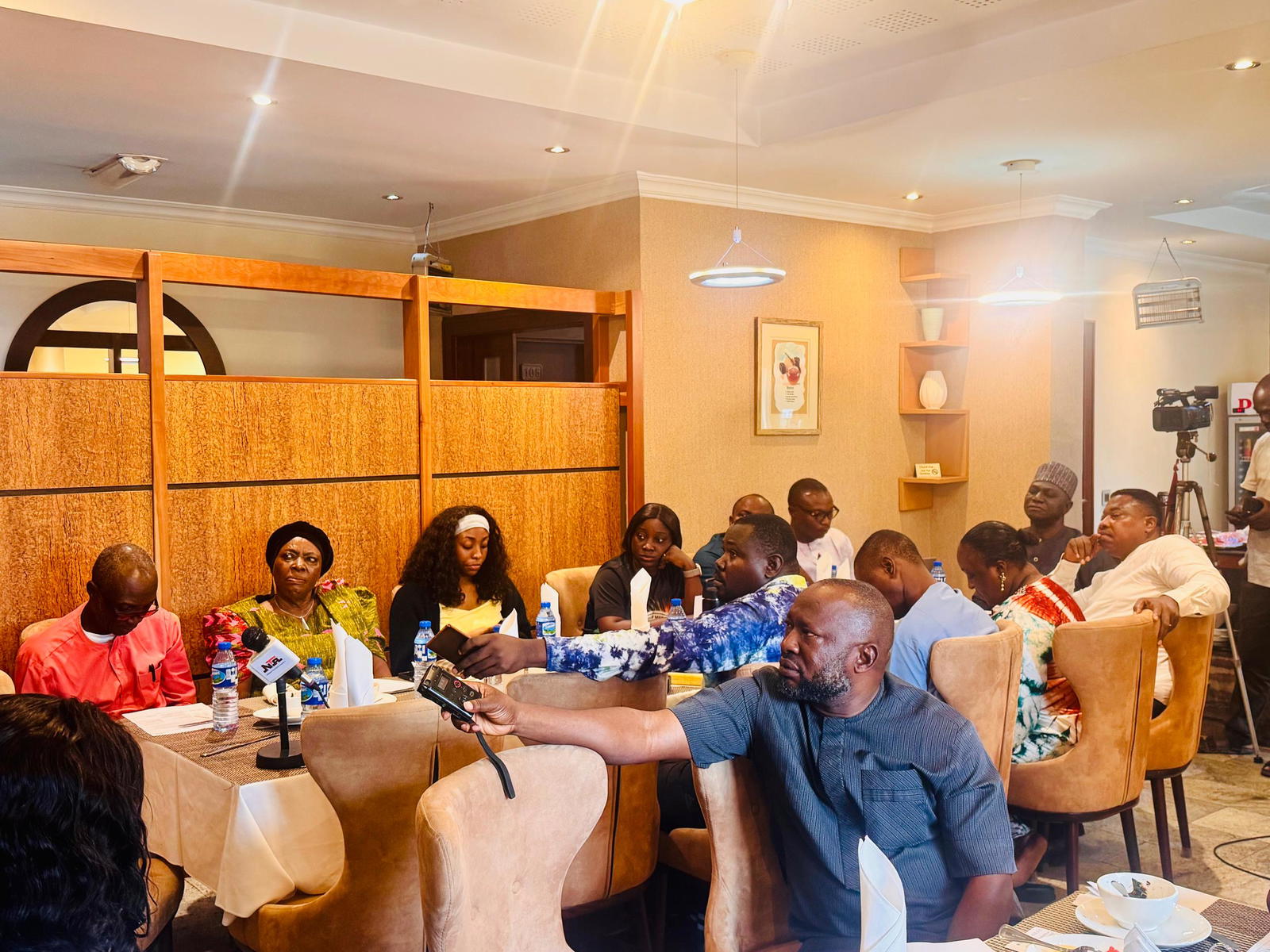
The call was made on Thursday in Abuja during an Executive Media, Patient and Civil Society Dialogue on Hypertension Financing Advocacy organised by the Legislative Initiative for Sustainable Development (LISDEL) under its Advocacy Partnership for Hypertension Financing and Patient Voice (APH-FIP) Project.
Held under the theme, “Hypertension: From the Elephant in Ward Rooms to Visibility in News Rooms,” the dialogue focused on strengthening media engagement, improving public awareness and advocating sustainable government financing for hypertension prevention and treatment.
Speaking at the event, LISDEL’s Programme Lead, Mr. Olympus Adebanjo, said the organisation deliberately adopted an informal dialogue format to encourage honest conversations among journalists, patients, civil society groups and government representatives on how to improve coverage of hypertension and other non-communicable diseases.
According to him, the country’s response to hypertension has not matched the magnitude of the crisis, noting that although the condition is a major contributor to stroke, heart disease, kidney failure and other complications, it remains largely overlooked in public discourse and policy conversations.
He disclosed that an estimated 27.5 million Nigerians are currently living with hypertension, while only a fraction are aware of their condition and an even smaller percentage have their blood pressure under control.
Adebanjo said available data indicate that hypertension-related diseases claimed more than 220,000 lives in 2022, significantly higher than deaths recorded from HIV during the same period.
He, however, stressed that the comparison was not intended to diminish investments in HIV programmes but to demonstrate the urgent need for greater attention to non-communicable diseases.
“There is an elephant in our hospital wards, but it has not become an elephant in our newsrooms,” he said, urging journalists to help drive national conversations that would influence policy decisions and increase public investment in hypertension prevention and treatment.
He explained that greater media visibility would encourage stronger government commitment to providing affordable medicines, expanding access to blood pressure screening and implementing existing national policies on non-communicable diseases.
Responding to concerns raised by journalists over the role of the media, Adebanjo described the engagement as a partnership rather than an attempt to shift responsibility to journalists.
He called for closer collaboration between civil society organisations and newsrooms through investigative reporting, policy tracking and sustained public education on hypertension.
Head of the Patient-Led Advocacy Working Group on Non-Communicable Diseases, Mr. Francis Okonkwo, urged Nigerians to embrace regular blood pressure checks, describing hypertension as a “silent killer” that often shows no symptoms until severe complications develop.
Sharing his personal experience, Okonkwo narrated how several individuals, including a close friend, unknowingly lived with dangerously high blood pressure until they suffered life-threatening complications.
He warned that many Nigerians avoid routine health checks because of fear of diagnosis or concerns about treatment costs, stressing that early detection remains the best defence against hypertension-related deaths.
Also speaking, members of the patient advocacy group recounted experiences of being diagnosed only after presenting at hospitals with severe symptoms, underscoring the need for wider public sensitisation, particularly in rural communities where many people attribute symptoms to malaria and other common illnesses.
Participants noted that while Nigeria already has policies and strategic plans on non-communicable diseases, weak implementation and inadequate funding have limited their impact.
They called on the government to strengthen primary healthcare services, improve access to affordable medicines, enforce food-labelling regulations, expand public awareness campaigns and increase investments in hypertension prevention and control.
Media practitioners at the dialogue reaffirmed their commitment to reporting health issues, noting that journalists on the health beat had continued to publish stories on hypertension and other cardiovascular diseases.
They, however, welcomed stronger collaboration with health experts, patient groups and civil society organisations to deepen public understanding of the disease and sustain advocacy for improved healthcare financing.
The dialogue ended with participants agreeing that increased media visibility would be critical to driving policy reforms, improving public awareness and reducing the growing burden of hypertension across Nigeria.
Disclaimer
Comments expressed here do not reflect the opinions of Vanguard newspapers or any employee thereof.