By Chioma Obinna
A new telemedicine platform, MySmartMedic, is stirring fresh conversations around the rising cost of healthcare in Nigeria, with its promoters arguing that digital consultations priced at about ₦3,000 could offer millions of Nigerians a cheaper alternative to physical hospital visits.
The platform’s emergence comes at a time when inflation, transport costs and rising consultation fees are making routine medical care increasingly difficult for low- and middle-income earners.
Data released by the company show that a standard consultation at private hospitals in Lagos now costs between ₦8,000 and ₦25,000, while similar services in Abuja range from ₦10,000 to ₦20,000.
When transport, registration fees, time spent waiting and hours lost from work are added, the actual cost of seeing a doctor can rise to between ₦10,000 and ₦32,000 per visit.
For many Nigerians, that represents a significant chunk of monthly earnings.
“That upper figure of ₦32,000 is roughly 16 per cent of the national minimum wage, all for one consultation that may end with simple advice,” the company said in a statement.
The platform operates on a subscription model, allowing users to consult licensed doctors remotely at a fraction of the cost of traditional private clinics.
According to the company, the model eliminates transportation costs, hospital registration fees and long waiting times, while allowing patients to seek medical advice from their mobile phones at any time.
Healthcare analysts say the development could reshape access to care, especially for people in underserved communities or those reluctant to seek medical help due to cost.
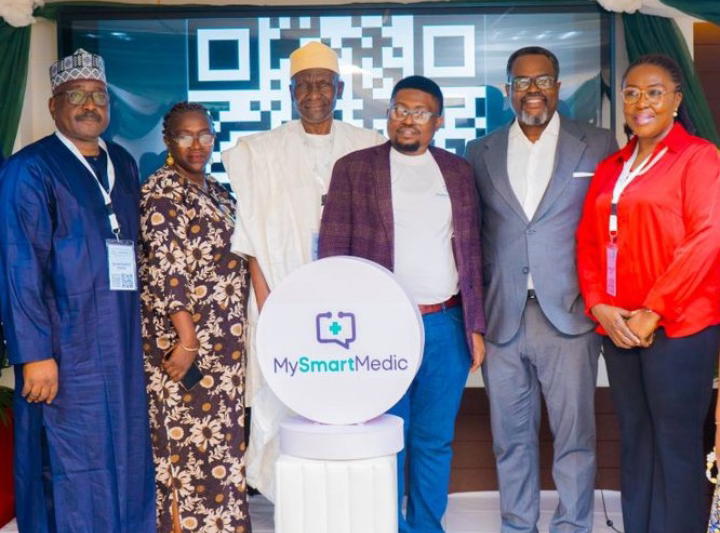
Speaking at the launch of the platform, Nigeria’s Minister of Communications, Innovation and Digital Economy, Bosun Tijani, described AI-powered telemedicine as an important tool for expanding healthcare access.
“Technology has the power to bridge longstanding gaps in access, especially in a country where millions remain underserved,” Tijani said.
The Federal Government’s ongoing broadband expansion plan, aimed at connecting 20 million more Nigerians, is expected to strengthen the digital backbone needed for telemedicine to thrive.
Experts, however, cautioned that while virtual consultations may reduce costs, they are not a replacement for physical examinations in complex cases.
“Telemedicine cannot draw blood, examine a swelling or listen to the chest. Its real value is in triaging—helping patients know whether they need to come in or can be managed remotely,” a health policy analyst said
That triage function, observers say, could help reduce unnecessary hospital visits and decongest overstretched facilities.
For patients, the attraction is simple: convenience and affordability.
For the health sector, it may signal the beginning of a deeper debate over what healthcare should really cost in Nigeria.
“MySmartMedic is not charity,” the company said. “It is a practical response to the reality that too many Nigerians have been priced out of basic care.”
Disclaimer
Comments expressed here do not reflect the opinions of Vanguard newspapers or any employee thereof.