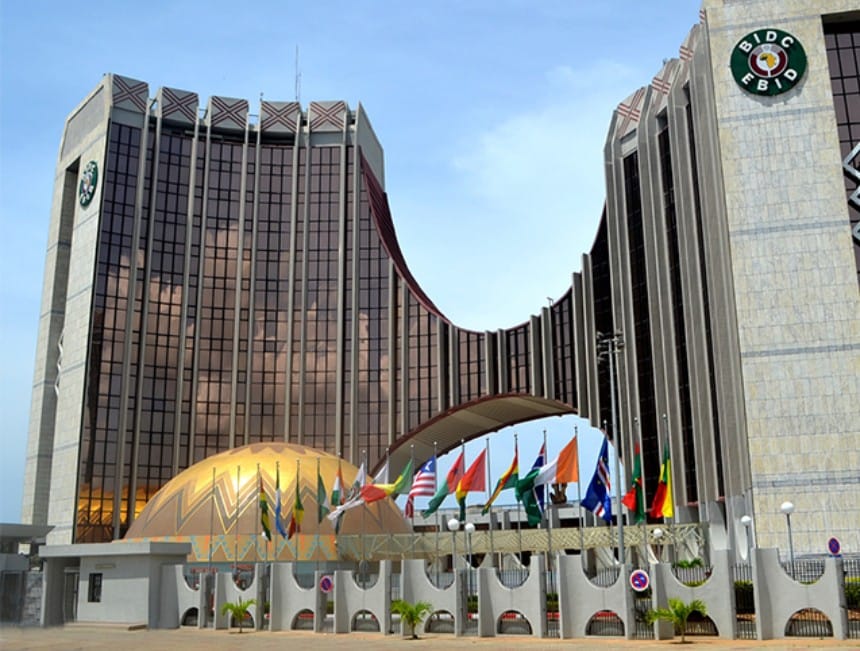
Press freedom in Nigeria recorded a major victory on Tuesday as the ECOWAS Community Court of Justice slammed the Federal Government over the assault, unlawful detention and seizure of a journalist’s phone during the 2025 nationwide “End Bad Governance” protests, awarding ₦10 million in damages.
The landmark judgment is being hailed as a significant boost for media freedom and digital rights protections, with legal experts saying it could redefine how security agencies engage journalists covering protests and public interest events.
The suit, secured by Avocats Sans Frontières France under its eRIGHTS project funded by the European Union, centred on the ordeal of Jide Oyekunle, Chairman of the FCT chapter of the Nigeria Union of Journalists.
Oyekunle was attacked by police officers at Eagle Square, Abuja, while covering the protests live.
In its judgment in Suit No. ECW/CCJ/APP/29/25, the regional court held that the actions of Nigerian security operatives amounted to a direct violation of Oyekunle’s fundamental rights to freedom of expression, personal liberty, human dignity and property. The court ruled that the temporary confiscation of his mobile phone disrupted his live coverage and unlawfully suppressed public access to information, contrary to Article 9 of the African Charter on Human and Peoples’ Rights.
It further held that the assault and detention violated Articles 5 and 6 of the Charter, which prohibit degrading treatment and unlawful deprivation of liberty.
Reacting to the judgment, Angela Uwandu Uzoma-Iwuchukwu described the ruling as a defining moment for journalism in the digital era.
“This judgment sends a clear message that a journalist’s digital tools are extensions of the modern press and newsroom, and their arbitrary confiscation by security forces is a direct assault on the public’s right to know,” she said.
She noted that the verdict reinforces growing regional legal safeguards for journalists and human rights defenders documenting protests and matters of public interest.
Avocats Sans Frontières France said the judgment puts security agencies on notice that attacks on journalists, digital censorship and intimidation would no longer go unchecked.
The organisation also pledged to monitor compliance with the judgment and continue offering legal support to journalists facing rights violations.
For press freedom advocates, the verdict is seen as a watershed that could reshape media coverage of protests across West Africa, while strengthening the ECOWAS Court’s role as a critical shield against state repression.
The ruling comes amid growing concerns over shrinking civic space in Nigeria and repeated allegations of harassment of journalists by security operatives.
Observers say the judgment sends a strong warning that democratic accountability and citizens’ right to information must not be sacrificed under the guise of law enforcement.
Disclaimer
Comments expressed here do not reflect the opinions of Vanguard newspapers or any employee thereof.