By Esther Onyegbula
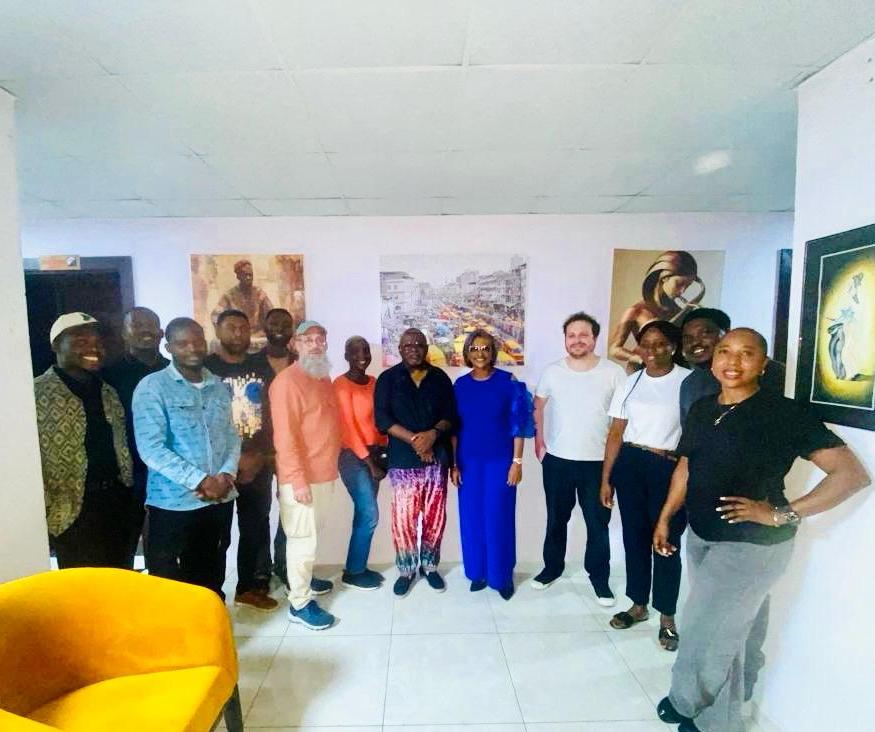
In a move aimed at strengthening Nigeria’s audiovisual industry and boosting the global competitiveness of local professionals, 10 Nigerian sound engineers and two French film sound specialists have commenced an intensive training and knowledge-exchange programme in Lagos focused on advanced film sound production.
The 10-day programme, which began on June 15 and ends on June 26, is organised by the French Embassy in Nigeria in partnership with MidiVision, Digital Audio Post Collective (DAPC). It is the second advanced training initiative by both organisations designed to enhance the technical capacities of audio professionals working in film, television and documentary production.
Hosted at MidiVision-DAPC’s newly inaugurated studios in Lekki, Lagos, the training brings together French and Nigerian experts for hands-on workshops and practical sessions covering the entire audio production workflow, including location sound recording, sound editing, Foley, mixing and mastering.
Organisers said the initiative was conceived to address critical skills gaps within Africa’s audiovisual industry while promoting international standards and best practices in sound production.
Speaking on the significance of the programme, Audiovisual Attaché at the French Embassy in Nigeria, Christophe Pecot, said the growing global appetite for African content has increased the need for world-class post-production expertise on the continent.
According to him, international streaming platforms and producers are increasingly investing in Nigerian and African productions, making high-quality sound production more important than ever.
“As global streaming platforms and international producers invest in African content, including productions from Nigeria, expectations regarding post-production quality continue to rise.
“This training programme has been designed to help Nigerian professionals meet growing international demand and align with global industry standards.
“Today, some producers still need to outsource key post-production services, particularly sound work, to facilities outside Nigeria. By strengthening local expertise, we can ensure that Nigerian talent is equipped to deliver world-class content and keep more of the value chain within the country,” Pecot said.
The programme builds on an earlier collaboration between the French Embassy and MidiVision-DAPC and provides a platform for professional exchange between French and Nigerian sound specialists.
Participants are being exposed to industry-standard equipment and techniques designed to improve their technical proficiency and prepare them for the demands of both local and international productions.
Founder and Chief Executive Officer of MidiVision-DAPC, Dr. Bayo Adepetun, described the initiative as a necessary intervention for an industry rich in talent but constrained by limited access to specialised technical training.
“The state of the audio post industry in our country felt like a surgeon trying to perform surgery with a fork and knife. There’s incredible talent here, but many lack the technical training necessary to compete internationally.
“Through this workshop, MidiVision aims to close the skills gap, empowering a new generation of audio professionals. The programme’s long-term goal is to expand its reach and improve the sound quality of African-produced TV, film and documentary content,” he said.
Adepetun noted that the training aligns with broader efforts to elevate the quality of African storytelling by ensuring that sound production matches the high standards increasingly expected by global audiences.
Organisers said the programme draws on Nigeria’s rich storytelling culture and vibrant creative sector to nurture a new generation of highly skilled audio professionals capable of delivering internationally competitive content.
As one of the first initiatives of its kind in West Africa, the training underscores a shared commitment by both partners to strengthen technical expertise across the audiovisual value chain.
They expressed confidence that sustained investments in training, mentorship and professional development would help bridge existing industry gaps, raise technical standards across the continent and position African audiovisual productions more strongly in the global marketplace.
Disclaimer
Comments expressed here do not reflect the opinions of Vanguard newspapers or any employee thereof.