…Lafiya Programme unveils toolkit for nationwide adoption, stakeholders hail community-led model
…say it’s game changer for health insurance, infrastructure, care for vulnerable Nigerians
By Joseph Erunke, Abuja
A groundbreaking community-driven healthcare financing initiative has transformed access to healthcare across five northern states, mobilising local resources to support health insurance coverage, facility upgrades and healthcare services for thousands of vulnerable Nigerians.
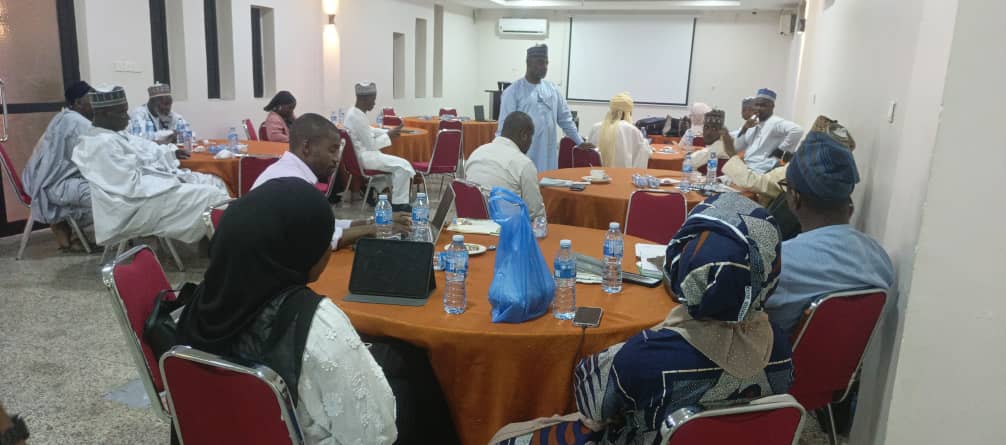
This was revealed at a one-day Lessons Learnt and Dissemination Workshop on Ethical Health Financing (EHF) organised by the UK-supported Lafiya Programme in Abuja, where stakeholders showcased the remarkable achievements of the initiative and charted a path for its sustainability beyond donor support.
The programme’s National Team Leader, Dr. Usman Gwarzo, disclosed that what began as an experimental idea in 2020 has evolved into a thriving network of 138 Ethical Health Financing institutions across 138 local government areas in Kano, Kaduna, Jigawa, Borno and Yobe states.
According to him, the initiative has exceeded expectations, defying widespread scepticism about the ability of local communities to independently mobilise and manage resources for healthcare delivery.
“When we started, many people doubted that communities could organise themselves, generate resources, invest those resources and use them to improve healthcare services. Today, the results speak for themselves,” Gwarzo said.
He noted that funds generated by the community-based institutions are already being used to support health insurance enrolment, train healthcare workers, provide medical equipment, renovate health facilities and construct critical healthcare infrastructure.
“We are now seeing communities directly contributing to improving healthcare at the primary healthcare level. The committees have performed beyond expectation,” he added.
The workshop also marked the unveiling of an Ethical Health Financing Toolkit and Advocacy Kit developed to enable states and organisations outside the Lafiya Programme’s operational areas to replicate the model.
Participants described the initiative as a practical solution to Nigeria’s persistent healthcare financing challenges, particularly in underserved rural communities.
The District Head of Maisandari, in Borno State, Alhaji Abba Bukar, said the programme has demonstrated how communities can collectively support women, children and persons living with disabilities through innovative financing mechanisms.
“We are here to learn from one another and improve the way we implement this initiative in our states. The major focus now is sustainability. We want this programme to continue long after donor support ends,” he said.
He expressed confidence that the lessons shared during the workshop would strengthen the programme’s future impact across participating states.
A major focus of discussions was how to institutionalise the initiative and embed it permanently within community structures.
Stakeholders stressed that the success of the programme must not be allowed to fade with the exit of development partners, urging stronger collaboration among community leaders, religious institutions, government agencies and the National Health Insurance Authority (NHIA).
Participants also explored innovative approaches to sustaining the scheme through investments, resource mobilisation, value addition ventures and stronger networking among community-based institutions.
Several speakers argued that the initiative has demonstrated that healthcare financing does not have to rely solely on government allocations or foreign aid.
Instead, they said, organised communities can become active contributors to healthcare delivery while protecting their most vulnerable members.
The Lafiya Programme explained that the Ethical Health Financing model was introduced under its health financing reform agenda aimed at strengthening the Basic Health Care Provision Fund and promoting alternative financing mechanisms.
Over the past three years, the programme has built the capacity of community leaders and stakeholders in governance, resource mobilisation, investment planning, monitoring and institutional development.
With the dissemination of the toolkit, stakeholders expressed optimism that the model could be replicated across Nigeria, potentially creating a nationwide movement of community-owned health financing institutions.
As the programme enters a new phase, participants agreed that the challenge ahead is no longer proving that communities can finance healthcare, but ensuring that the gains already recorded are sustained and expanded for future generations.
Disclaimer
Comments expressed here do not reflect the opinions of Vanguard newspapers or any employee thereof.