…Calls for urgent protection of Children’s rights
By Chinedu Adonu
The Women Aid Collective (WACOL) has expressed concern over the increasing cases of child neglect, exploitation, and abuse across Africa, urging governments, stakeholders, and communities to take urgent steps to safeguard children’s rights to safe water, sanitation, education, and protection.
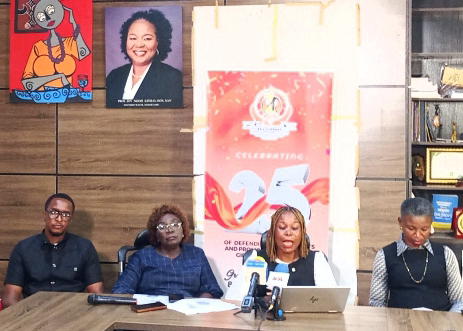
The call was made by the Executive Director of WACOL, Prof. Joy Ezeilo, during the commemoration of the 2026 Day of the African Child, themed, “ensuring universal access to water, sanitation and hygiene for every child in African” held in Enugu.
Prof. Ezeilo noted that despite various regional and international commitments aimed at protecting children, millions of African children continue to face deprivation, violence, exploitation, and limited access to essential services necessary for their growth and development.
Ezeilo represented by Senior Communication Officer of WACOL, Mrs Bethel Ezugwu, stressed the need for increased investment in child welfare, quality education, healthcare, and social protection programmes, emphasizing that every child deserves a safe and nurturing environment to thrive.
According to her, the theme of this year’s celebration highlights the importance of ensuring that children enjoy their fundamental rights, particularly access to clean water, adequate sanitation facilities, quality education, and protection from all forms of abuse and exploitation.
“No child should be denied dignity, education or safety because of lack of clean water, safe sanitation, parental neglect or abuse. Protecting children must move from promises to practical action in our schools, homes, communities and public institutions.” Prof. Joy Ngozi Ezeilo, Founding Executive Director, WACOL.
While recognizing the importance of WASH, WACOL also draws attention to a closely related and growing concern captured in it’s sub-theme: “Child Neglect, Exploitation and Abuse: A Growing Crisis.” stating that Children cannot fully enjoy their rights to health, education and dignity where they are exposed to violence, neglect, exploitation and harmful practices.
“Across Nigeria and many parts of Africa, children are increasingly exposed to multiple and overlapping forms of harm arising from poverty, insecurity, displacement, environmental pressures, weak protection systems and the rapid expansion of digital technology,”she said.
The WACOL Executive Director urged governments at all levels to strengthen policies and enforcement mechanisms that promote child rights and hold perpetrators of child abuse accountable.
She also called on parents, guardians, civil society organisations, and community leaders to work collectively towards creating safer environments for children and ensuring that their voices are heard in matters affecting their lives.
Prof. Ezeilo reaffirmed WACOL’s commitment to advocating for the protection, welfare, and empowerment of children, especially the most vulnerable, across Nigeria and Africa.
“Access to clean water, adequate sanitation and proper hygiene is not merely a development concern; it is a fundamental child rights issue. It is directly linked to the rights to life, survival, health, education, dignity and protection. When children lack safe WASH facilities, their health, learning, safety and future opportunities are placed at risk.
“The absence of safe water and functional sanitation facilities in schools directly affects children’s educational outcomes, including safety and well-being. Many children, particularly those in rural and underserved communities, learn in environments without clean water, handwashing facilities or safe toilets.
“This contributes to absenteeism, poor concentration, sexual violence, preventable illness, malnutrition and, in some cases, school dropout. Without safe WASH systems, children remain vulnerable to water-borne diseases and other health complications that threaten their growth and development.
“Girls are disproportionately affected. The lack of private, safe and hygienic sanitation facilities prevents many adolescent girls from attending school during menstruation, disrupting their education and limiting their opportunities for advancement.
“Some girls have also been raped and violated trying to answer the call of nature in the bush because of the absence of toilets and sanitary facilities in Schools. In many communities, girls also bear the burden of water collection, exposing them to safety risks and reducing the time available for learning, rest, and recreation,”she said.
Disclaimer
Comments expressed here do not reflect the opinions of Vanguard newspapers or any employee thereof.