By Matthew Johnson
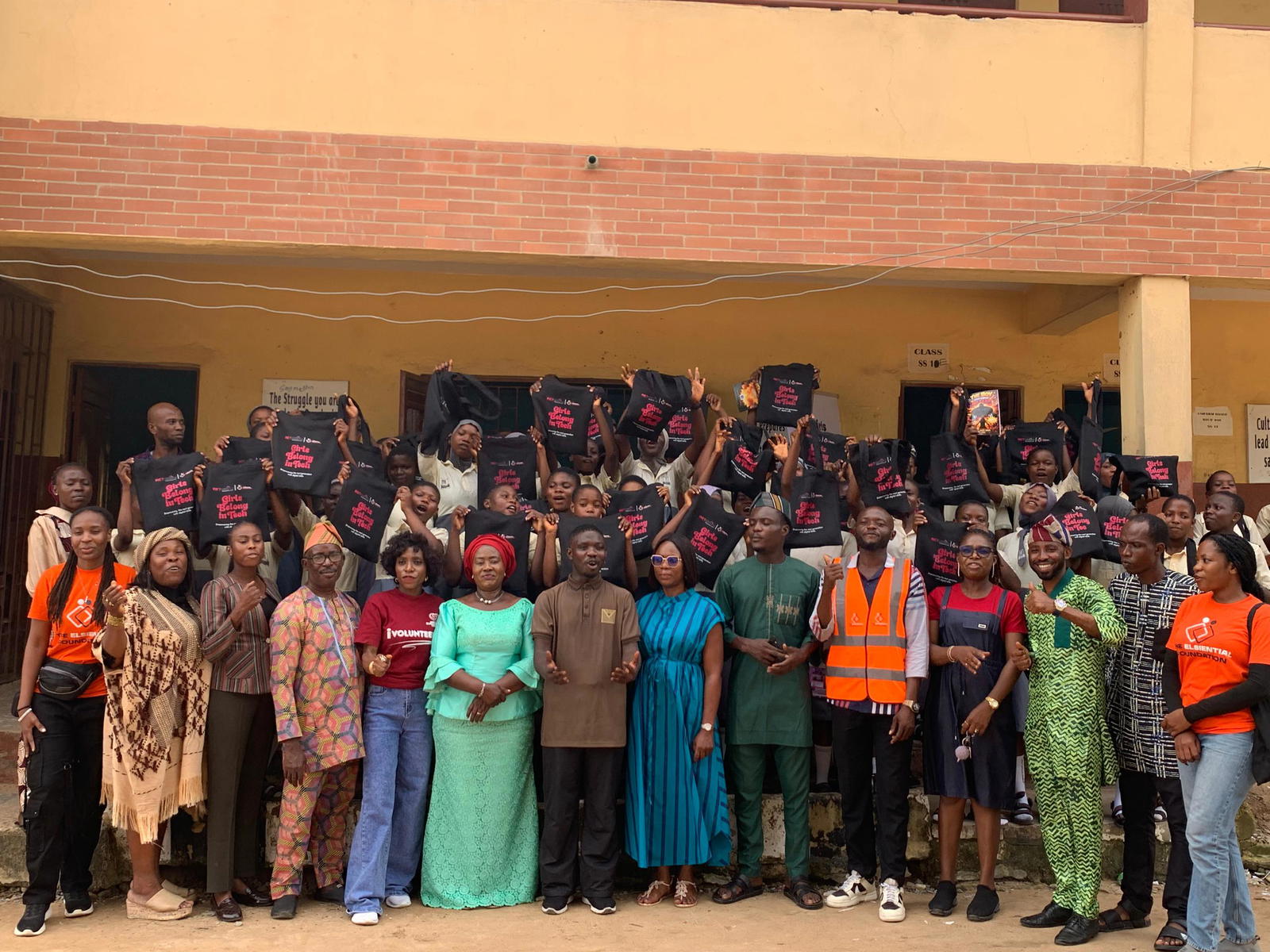
RetGrow Initiative, in collaboration with The Elsiential Foundation, has empowered over 60 female students of Muslim Senior College, Oworonshoki, Lagos, with digital and leadership skills following the completion of a two-month intensive training programme designed to prepare young girls for opportunities in the digital economy.
The programme, tagged Digital Skill-Up Programme (DSUP) 2.2 2026 and themed “Empowering the Next Generation with Digital Skills,” equipped participants with practical knowledge in digital literacy, graphic design, content creation, social media management, civic advocacy, digital safety and leadership development.
Speaking at the graduation ceremony, Founder of RetGrow Initiative, Mr Nassir Abdulraheem, said the programme was established to provide opportunities for young people with the potential to succeed but who lack access to the right platforms and resources.
According to him, more than 60 students participated in six training sessions designed to expose them to critical digital skills required in today’s technology-driven world.
Abdulraheem said the initiative was conceived as a long-term intervention rather than a one-time project, adding that sustainability plans had already been put in place through the establishment of an ICT Club in the school.
He also announced plans for another cohort of the programme scheduled for October.
“We have established an ICT Club in the school, and students will continue to receive mentorship through regular sessions. This programme is not a one-off intervention; it is designed for long-term impact,” he said.
Explaining the vision behind the initiative, Abdulraheem noted that the programme was aimed at addressing barriers that prevent young people from pursuing their aspirations.
“The kind of programme solves the problem of agency for those who have dreams. It opens the door of opportunity. We started with 60 students, but as other students saw the impact, participation grew beyond the initial number.
“We had this kind of programme last year to commemorate International Women’s Day, and this edition is a continuation of what we started. The programme is not limited to Lagos schools alone, but we intend to begin within our community first,” he added.
He appealed to donors, sponsors and other stakeholders to support the initiative, stressing that additional resources would enable the organisers to expand its reach and impact.
Also speaking, the Lead Implementation Partner of The Elsiential Foundation, Mrs Elsie Olalere, said the initiative was designed to bridge the digital divide among young girls and ensure they are not left behind in an increasingly technology-driven society.
She said the foundation identified significant gaps in digital literacy among students and decided to intervene by providing practical technology training.
Olalere disclosed that participants received hands-on training in digital literacy, social media management, content creation, civic advocacy, graphic design and other technology-related skills.
According to her, the programme specifically targeted girls because many young women still perceive technology as difficult or inaccessible.
She further revealed that the establishment of an ICT Club would help sustain the knowledge gained during the training by allowing students to manage the school’s digital platforms.
“We discovered that many students were technologically disadvantaged. The programme was created to bridge that gap and equip them with relevant skills needed in today’s digital world.
“Technology has no gender. We want these girls to understand that they can thrive in the tech ecosystem regardless of their age or background,” she said.
Olalere expressed appreciation to RetGrow Initiative and other partners for supporting efforts to develop the next generation of digitally skilled Nigerians.
Social Media Coordinator of The Elsiential Foundation, Mr Joseph Nako, said the training exposed students to productive uses of technology beyond entertainment and social interactions.
He explained that the programme adopted an 80 per cent practical and 20 per cent theoretical learning model to ensure participants acquired hands-on experience.
Describing Artificial Intelligence, AI, as a transformative technology, Nako encouraged the students to embrace it responsibly to enhance creativity and critical thinking.
“The students were taught how to operate digital devices, navigate operating systems, set up social media accounts and manage emails. The practical exposure will help them become more confident in using technology and digital platforms,” he said.
Representative of the Lagos State Ministry of Youth and Social Development, Mrs Bello Omolara, described the programme as a timely and impactful initiative capable of preparing young people for future opportunities.
She said the training would help participants become more creative, innovative and career-focused in an era increasingly shaped by digital technology and Artificial Intelligence.
“Instead of spending time aimlessly on social media, these students can now use technology to create value, promote businesses and contribute positively to society,” she said.
In his remarks, Principal of Muslim Senior College, Mr Ogundola Olatunbosun, commended the organisers for what he described as an intensive and beneficial training programme.
He called for greater government and private sector involvement in similar initiatives to ensure more students gain access to digital skills training.
“I commend the two partnering organisations that seek to build the next generation. It is time for government and NGOs to do better because these are the future leaders who will build Nigeria and compete globally,” he said.
One of the beneficiaries, Miss Nowola Modinat, expressed appreciation to the organisers, noting that the programme significantly expanded her knowledge of content creation, graphic design and social media management.
“I already knew a little about graphic design, but I learned much more during the training. I now understand how content creation can be used responsibly and how digital tools such as Canva can help young people develop valuable skills.
“On behalf of myself and my colleagues, we want the organisers to return with future editions of the programme because it has inspired many students to explore opportunities in technology,” she said.
The programme ended with a renewed commitment by the organisers and partners to continue promoting digital literacy among young Nigerians and preparing them for participation in the global digital economy.
Disclaimer
Comments expressed here do not reflect the opinions of Vanguard newspapers or any employee thereof.