By Joseph Erunke, Abuja
Stakeholders in Nigeria’s education sector have raised concerns over the mounting challenges confronting women-led schools, calling for urgent government intervention to improve access to finance, strengthen policy support, and provide institutional backing for female education entrepreneurs driving learning in underserved communities.
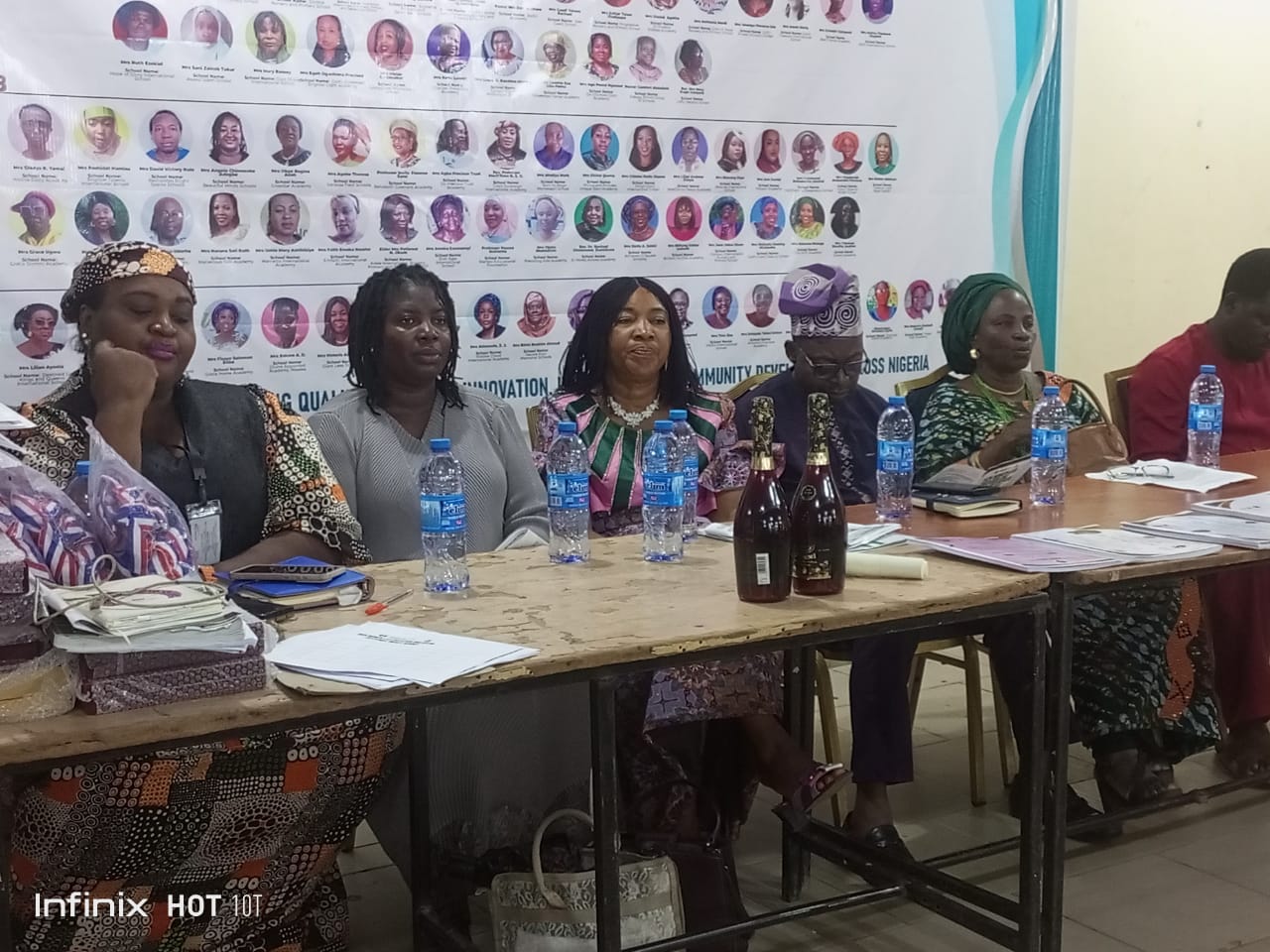
The call resonated strongly at the 2026 Women-Led Education and Social Enterprise Impact Summit held in Abuja, where policymakers, education experts, development partners and women leaders stressed that the future of quality education in many communities depends largely on empowering women who own and manage schools.
The summit, organised by the Centre for Educational Empowerment and Orientation ,CEEO, in collaboration with the National Council of Women Societies ,NCWS, focused on the theme: “Empowering Women Social Entrepreneurs in Basic and Senior Secondary Education: Driving Policy Influence, Access to Finance, and Institutional Support.”
Speaking at the event, the Minister of State for the Federal Capital Territory, Dr. Mariya Bunkure, lamented the obstacles limiting the growth of women-led educational enterprises and urged stakeholders to create pathways that would enable them to thrive.
Represented by the Permanent Secretary, Education Secretariat, Mrs. Joy Okeke, the minister said women remain at the forefront of educational innovation and community development, yet continue to face significant barriers in accessing resources needed to expand their impact.
She emphasized that empowering women in education is not merely a gender issue but a strategic national development priority.
“Women social entrepreneurs are providing innovative solutions to educational challenges and helping to reshape the educational landscape. Strengthening their capacity through policy support, financing and institutional frameworks is critical to sustainable development,” she said.
A major highlight of the summit was the revelation that many women proprietors operating schools in low-income and underserved communities continue to deliver quality education despite struggling with inadequate infrastructure, unstable revenue streams and limited institutional support.
The Executive Director of CEEO, Davidcrown Oyebisi, described women-led schools as silent drivers of national development whose contributions are often overlooked despite their immense impact on communities.
“These women are not merely school owners; they are builders of the future, stabilisers of communities and protectors of the next generation. Supporting women-led schools is not charity; it is a strategic investment in nation-building,” Oyebisi declared.
He warned that without deliberate interventions to improve financing opportunities and policy support, many women-led educational initiatives could struggle to sustain their operations.
The National Commission for Colleges of Education ,NCCE, also underscored the critical role of women in transforming Nigeria’s education sector.
Speaking on behalf of the Executive Secretary, Dr. Angela Ajala, Deputy Director Dr. Mrs. Bode Oke said women continue to serve as educators, mentors, innovators and change agents whose contributions are essential to building inclusive and effective education systems.
According to her, empowering women in education would not only advance gender equity but also accelerate social and economic development.
Similarly, Senator Ireti Kingibe, representing the Federal Capital Territory, stressed that investing in women and children’s education remains one of the most effective pathways to national growth.
Represented by her Legislative Assistant, Nelson Alabi, the senator praised the initiative for spotlighting the challenges and achievements of women education entrepreneurs.
“When we invest in women and educate our children, we build stronger families, stronger communities and a stronger nation,” she stated.
Adding her voice, the National President of NCWS, Princess Edna Azura, said empowering women through education and social enterprise would promote inclusive growth and create lasting opportunities for future generations.
The National Library of Nigeria also reaffirmed its commitment to expanding access to knowledge and literacy opportunities for women and vulnerable groups.
Representing the National Librarian, Prof. Chinwe Anunobi, Assistant Director Ifeoma Phyllis highlighted several initiatives targeted at underserved communities, including literacy centres, reading clubs and readership promotion campaigns aimed at strengthening educational outcomes nationwide.
Meanwhile, Dr. Ayo Oladini, Federal and Out-of-School Adviser for the FCDO-PLANE Project, urged school proprietors to engage more actively with the Ministry of Education and explore financing opportunities available through financial institutions to support educational development.
The summit ended with renewed calls for coordinated action by government, financial institutions, development partners and the private sector to dismantle barriers confronting women education entrepreneurs and unlock their full potential as catalysts for educational transformation across Nigeria.
Disclaimer
Comments expressed here do not reflect the opinions of Vanguard newspapers or any employee thereof.