By Nnasom David
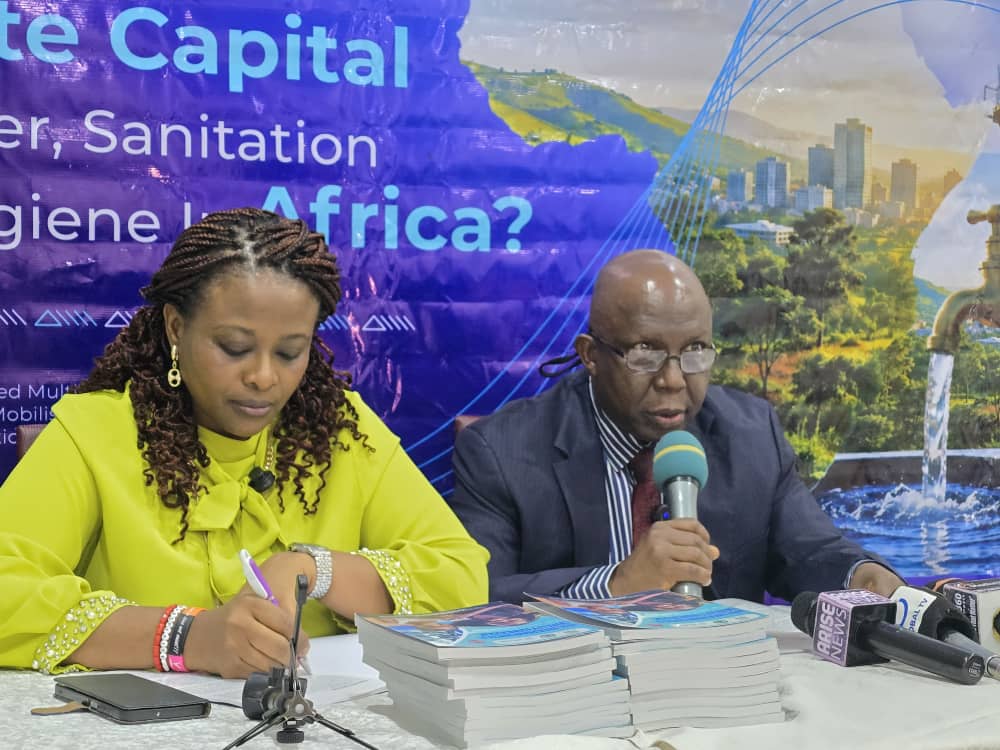
The National Coordinator of Organised Private Sector in Water, Sanitation and Hygiene (OPS-WASH), Dr Nicholas Igwe, on Tuesday warned that Nigeria could face a serious social crisis if urgent steps are not taken to address the country’s water infrastructure deficit.
Speaking during a press conference in Abuja, Igwe said poor access to water and weak infrastructure systems pose significant risks to social stability and economic development.
According to him, the government must intervene promptly to prevent the situation from escalating into a crisis that could become difficult to manage.
“If this issue is not addressed as soon as possible, it could lead to a social crisis that may become difficult for the government to manage,” he said.
Igwe stressed the need for government to create policies that regulate private sector participation while encouraging private investors, particularly in critical service sectors, to contribute to national development.
He noted that similar regulatory frameworks have been successfully implemented in sectors such as telecommunications and energy, adding that the same approach could help strengthen water infrastructure development across the country.
The OPS-WASH coordinator also called for stronger collaboration among governments, private sector operators, development partners, civil society organisations and financial institutions to build sustainable water systems.
“There is a strong need for the private sector, government, development partners, civil society organisations and financial institutions to come together and reach a shared understanding that can support sustainable water infrastructure,” he said.
He advocated the establishment of a coordinated platform that would bring all stakeholders together to design practical and long-term solutions to the nation’s water challenges.
According to him, such an arrangement would help prevent fragmented decision-making and ensure that investments and policies are properly aligned.
Igwe maintained that structured engagement among stakeholders remains crucial to achieving lasting improvements in water access and sanitation services.
He added that a coordinated approach would not only strengthen infrastructure development but also help avert the social and economic consequences associated with inadequate water supply systems.
Disclaimer
Comments expressed here do not reflect the opinions of Vanguard newspapers or any employee thereof.