By Favour Ulebor, Abuja
The High Commissioner of India to Nigeria, Ambassador Abhishek Singh, has underscored the critical role of the media in sustaining democratic governance, describing journalists as the “fourth pillar of democracy” and pledging continued support for members of the Diplomatic Correspondents’ Association of Nigeria (DICAN).
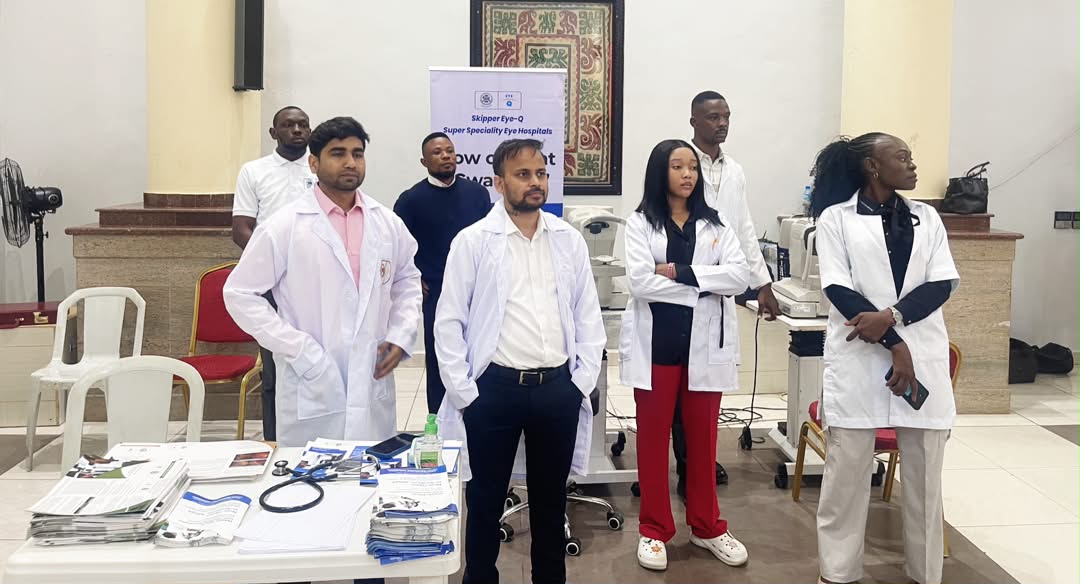
Singh spoke on Tuesday in Abuja during a free eye screening programme organised by the Indian High Commission in partnership with Skipper Eye Q Eye Hospital for journalists covering the diplomatic community in Nigeria.
The envoy assured DICAN members of the High Commission’s readiness to support the association within its capacity, noting that engagement with the media remains a vital aspect of India’s diplomatic relations with Nigeria.
Highlighting the importance of journalism in democratic societies, Singh said India, as the world’s largest democracy, and Nigeria, Africa’s largest democracy, share a common appreciation of the media’s role in promoting transparency, accountability and informed public discourse.
According to him, while the Executive, Legislature and Judiciary constitute the traditional arms of government, the media serves as an indispensable institution that keeps governments accountable and citizens informed.
“The media is indeed the fourth pillar of democracy. Our continuous interaction with journalists forms an important component of our diplomacy in Nigeria,” he said.
Singh expressed satisfaction with the organisation of the eye care outreach, saying the initiative would provide journalists with access to professional eye examinations and medical advice.
He noted that healthy eyesight is particularly important for media professionals whose work requires extensive reading, screen time and constant observation.
The High Commissioner also expressed optimism about strengthening collaboration with journalists and engaging them on issues of mutual interest between India and Nigeria.
Responding, Chairman of DICAN, Mr. Idehai Frederick, commended the Indian High Commission and Skipper Eye Q Eye Hospital for organising the medical outreach programme.
He described the initiative as a timely intervention that aligns with his commitment to prioritising the welfare and wellbeing of members of the association.
Frederick said the health of journalists remains central to the effectiveness of the association, adding that the programme fulfilled one of the key promises he made during his campaign for office.
He reaffirmed his determination to continue seeking partnerships and opportunities that would benefit members and strengthen the association.
Speaking further, General Manager of Skipper Eye Q Eye Hospital, Dr. Ajay Chaudhary, said the hospital group currently operates seven branches across Nigeria, including facilities in Abuja and Lagos.
According to him, the institution has played a significant role in reducing medical tourism by providing world class eye care services within Nigeria.
“Last year, we saved almost 100 million dollars that would have been spent on eye care treatment outside the country,” he said.
Chaudhary explained that the availability of advanced medical facilities has encouraged patients who previously travelled to countries such as India and Turkey for treatment to seek care locally.
He added that Nigeria is increasingly becoming a destination for medical tourism within West Africa, attracting patients from countries including Ghana, Togo, Benin Republic and Algeria.
The hospital executive noted that the facility has earned the trust of prominent Nigerians, including former vice presidents, senior government officials and corporate executives.
Speaking on Nigeria’s healthcare outlook, Chaudhary observed that nearly half of Nigeria’s population is below the age of 22, warning that the country could face a significant burden of preventable eye diseases such as glaucoma and diabetic retinopathy in the coming years.
Despite the challenges, he expressed confidence in Nigeria’s healthcare future, citing ongoing investments in infrastructure, foreign direct investment and the establishment of specialised medical facilities.
He added that continued investment in healthcare infrastructure and human capital development would contribute to longer life expectancy, improved economic productivity and better quality of life for Nigerians.
Disclaimer
Comments expressed here do not reflect the opinions of Vanguard newspapers or any employee thereof.