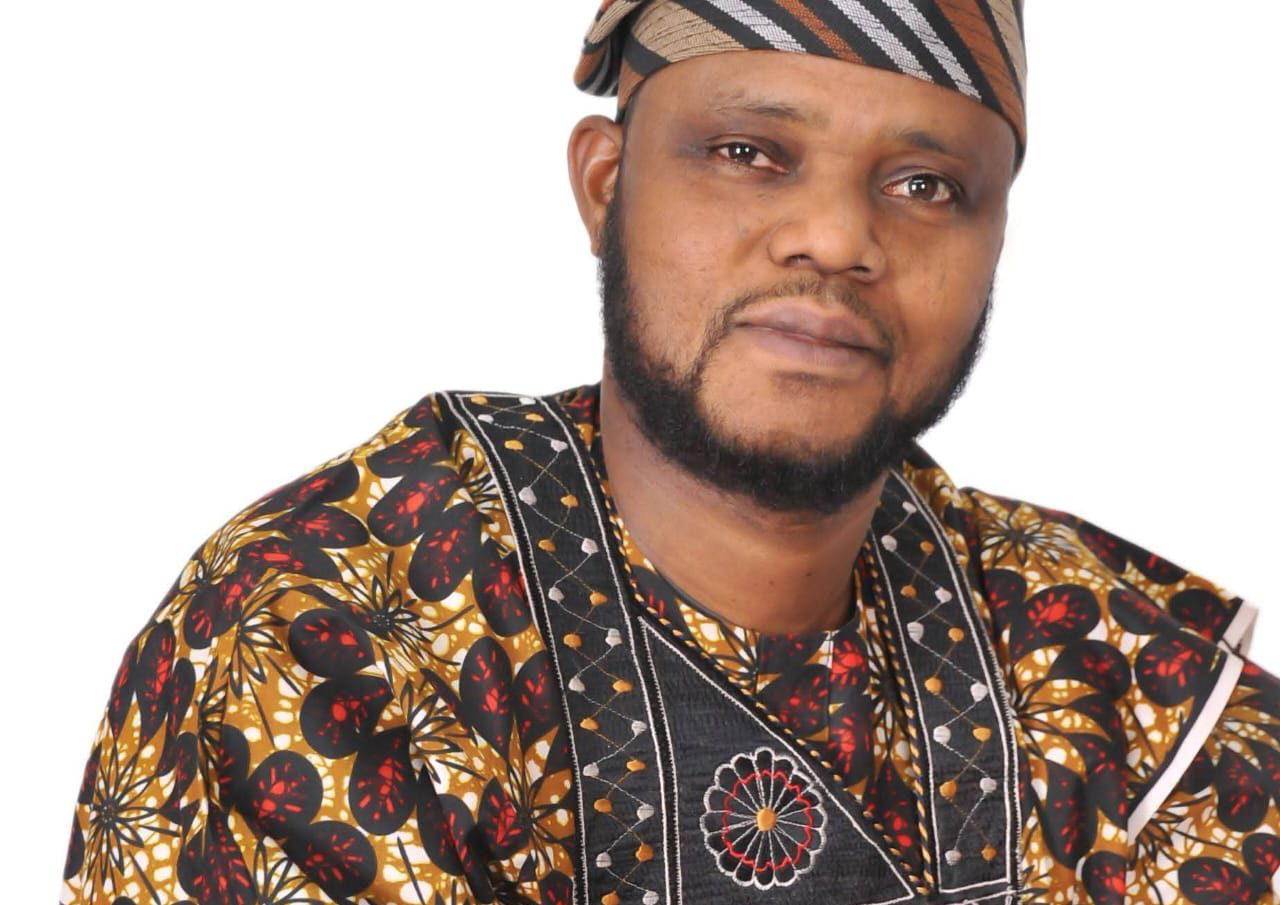
Akinwande
….urges creation of regional combat commands, petrol price reduction, mass security recruitment
By James Ogunnaike, Abeokuta
A former chairmanship aspirant for Yewa North Local Government Area of Ogun State, Engr. Gbenga Akinwande, has called on President Bola Ahmed Tinubu to take urgent and decisive steps to tackle the worsening insecurity and economic hardship confronting Nigerians, warning that the twin challenges are fueling public discontent and could have far-reaching political consequences ahead of the 2027 general elections.
In an open letter dated June 3, 2026, and addressed to the President through the Chief of Staff, Rt. Hon. Femi Gbajabiamila, Akinwande expressed concern over the deteriorating security situation and the increasing cost of living, saying many Nigerians were becoming frustrated with the current realities.
The letter was copied to prominent APC leaders, including former Ogun State Governor, Chief Olusegun Osoba, and Senator Solomon Adeola.
According to him, the growing hardship and insecurity have created resentment toward the ruling All Progressives Congress (APC), with many citizens already contemplating voting against the party in the next general election.
Akinwande stated, “the security and economic challenges confronting the nation today require urgent, practical and bold interventions. Failure to act swiftly could deepen public frustration and push the country toward a major national crisis.”
To address the security challenges, the former local government chairmanship aspirant proposed the establishment of Regional Combatant Command Forces across Nigeria’s six geopolitical zones.
He explained that the proposed structure should bring together personnel from the Armed Forces, the Nigeria Police Force, the Department of State Services (DSS), local vigilante groups and forest guards under a unified operational framework.
He recommended that each regional command be headed by a Brigadier-General or an officer of equivalent rank, with the bulk of personnel drawn from the respective regions to enhance intelligence gathering and operational effectiveness.
“The evolving security situation demands a more coordinated and localized approach. Regional combatant commands will improve intelligence sharing, strengthen rapid response capabilities and enhance community trust,” he said.
He also advocated the expansion of whistleblower programmes, increased highway surveillance, mass recruitment into security agencies, and greater deployment of vigilante operatives and forest guards to vulnerable communities.
Speaking on policing reforms, Akinwande argued that strengthening existing security institutions would be more beneficial than creating state police.
“Rather than establishing state police, government should focus on creating more police stations, recruiting additional mobile policemen and forest guards, and equipping them adequately to discharge their responsibilities effectively,” he said.
He further stressed the need for improved welfare packages for security personnel, warning that officers should not be compelled to bear the cost of uniforms, logistics and operational equipment.
“It is a serious security risk when officers are expected to personally fund operational necessities. Improving their welfare and working conditions will boost morale and enhance productivity,” he added.
Drawing lessons from Nigeria’s political history, Akinwande recalled the late Chief Obafemi Awolowo’s warning to former President Shehu Shagari during the economic crisis of the early 1980s, cautioning against complacency in the face of mounting public dissatisfaction.
“The insecurity situation in the country is beginning to propel many Nigerians to agitate for military intervention in governance. It is imperative for the President to rise urgently to the occasion and prevent a repeat of the events that culminated in the 1983 military takeover,” he warned.
On the economy, Akinwande proposed the appointment of six regional ministers to coordinate administrative and economic activities across the geopolitical zones, saying such a move would accelerate development and improve policy implementation.
He also advocated direct labour programmes through local governments as a means of creating employment opportunities and stimulating grassroots economic growth.
Addressing the rising cost of living, Akinwande called on the Federal Government to explore measures that would significantly reduce the pump price of petrol.
“To ease the current economic hardship, it will be in the interest of our party and the preservation of the integrity of the Yoruba race for the President to find a way to bring the pump price of petrol down to about N600 per litre,” he said.
Despite his concerns, Akinwande commended President Tinubu for pursuing bold economic reforms and taking difficult decisions that previous administrations had avoided.
“Your Excellency has demonstrated courage through far-reaching reforms and bold policy initiatives aimed at repositioning the nation. However, the economic hardship being experienced by ordinary Nigerians is real and severe. Families are under immense pressure, and these realities are breeding resentment against our party,” he stated.
Disclaimer
Comments expressed here do not reflect the opinions of Vanguard newspapers or any employee thereof.