By Chioma Obinna
A groundbreaking experimental drug has raised fresh hope against one of the world’s deadliest cancers after a major international study showed it doubled survival time for patients with advanced pancreatic cancer whose chemotherapy had stopped working.
The drug, daraxonrasib, a once-daily pill targeting the hard-to-treat KRAS cancer mutation, extended patients’ survival to 13.2 months on average, compared with 6.7 months for those on chemotherapy, according to Phase 3 trial results presented at the annual meeting of the American Society of Clinical Oncology (ASCO) in Chicago and published in the New England Journal of Medicine.
Doctors described the findings as “unprecedented” and potentially the biggest breakthrough in pancreatic cancer treatment in decades.
The clinical trial involved 500 patients across North America, Europe, and Asia. While 248 patients received daraxonrasib, 252 others were treated with chemotherapy after earlier treatments had begun to fail.
Researchers said the experimental drug not only significantly prolonged survival but also caused fewer side effects than chemotherapy, offering new hope to patients battling a cancer long associated with poor outcomes and limited treatment options.
“It’s that big of a game-changer for those of us who treat pancreatic cancer,” said Dr. Rachna Shroff, chief of haematology and oncology at the University of Arizona Cancer Centre.
“I started crying tears of joy,” she said after seeing the preliminary findings earlier this year.
Dr. Zev Wainberg, co-director of UCLA Health’s GI Oncology Program and one of the lead investigators, said many patients desperately wanted access to the drug instead of another round of chemotherapy.
“Every single patient wanted the pill,” Wainberg said. “I put a lot of patients on the chemo arm, and none of them are alive anymore.”
He described the study as one of the most emotional of his career.
Daraxonrasib works by blocking mutations in the KRAS gene, which fuels tumour growth in more than 90 per cent of pancreatic cancer cases. Scientists have long struggled to successfully target KRAS mutations, making the latest results especially significant.
The experts believed the breakthrough could stretch far beyond pancreatic cancer.
The KRAS mutation is also found in several other aggressive cancers, including lung, colorectal, ovarian, endometrial, and bile duct cancers, raising hopes the drug could eventually benefit millions of patients worldwide.
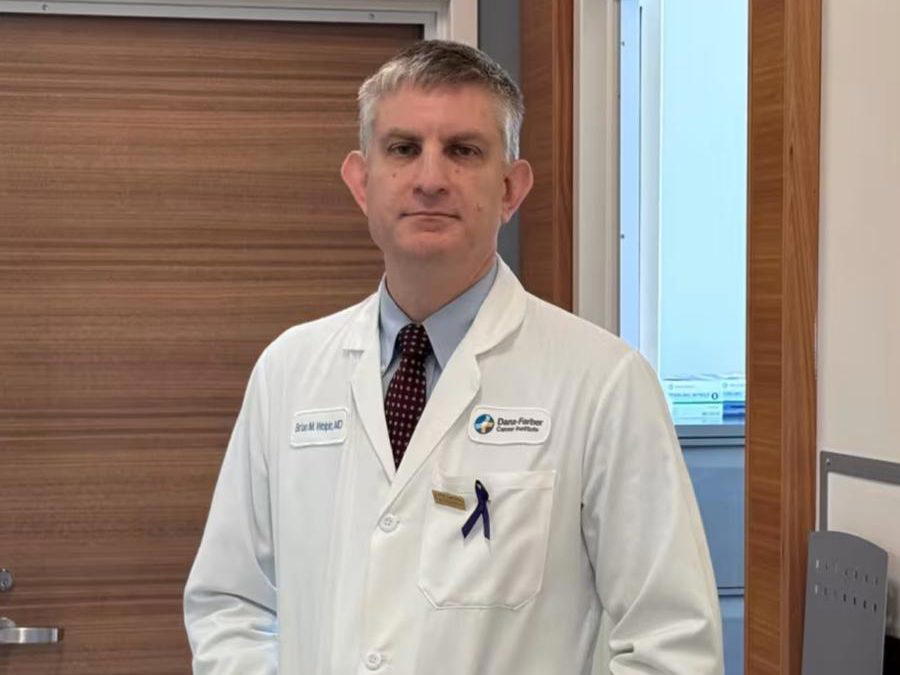
“Pancreatic cancer may be the first for this drug, but there will be others,” said Dr. Brian Wolpin of the Dana-Farber Cancer Institute. “Now the floodgates open.”
The U.S. Food and Drug Administration (FDA) has already granted the drug fast-track status for pancreatic cancer and recently approved expanded access for some patients outside clinical trials.
Revolution Medicines, the biotechnology company developing the drug, said preparations for regulatory approval are underway.
“Our professionals are working literally 24/7 to get this material prepared as quickly as possible,” said the company’s chief executive officer, Dr. Mark Goldsmith.
Although pancreatic cancer is less common in Nigeria than in many Western countries, medical experts warn that the disease remains highly fatal because it is usually detected late.
According to available cancer data, pancreatic cancer ranks 19th in incidence in Nigeria, yet the number of deaths is almost equal to the number of diagnosed cases.
Symptoms often include unexplained weight loss, fatigue, nausea, poor appetite, jaundice, dark urine, and itchy skin, signs that commonly appear only after the disease has advanced.
Scientists say the emergence of daraxonrasib may represent the strongest sign yet that pancreatic cancer, long regarded as one of medicine’s toughest cancers, could finally become more treatable.
Disclaimer
Comments expressed here do not reflect the opinions of Vanguard newspapers or any employee thereof.