By Elizabeth Osayande
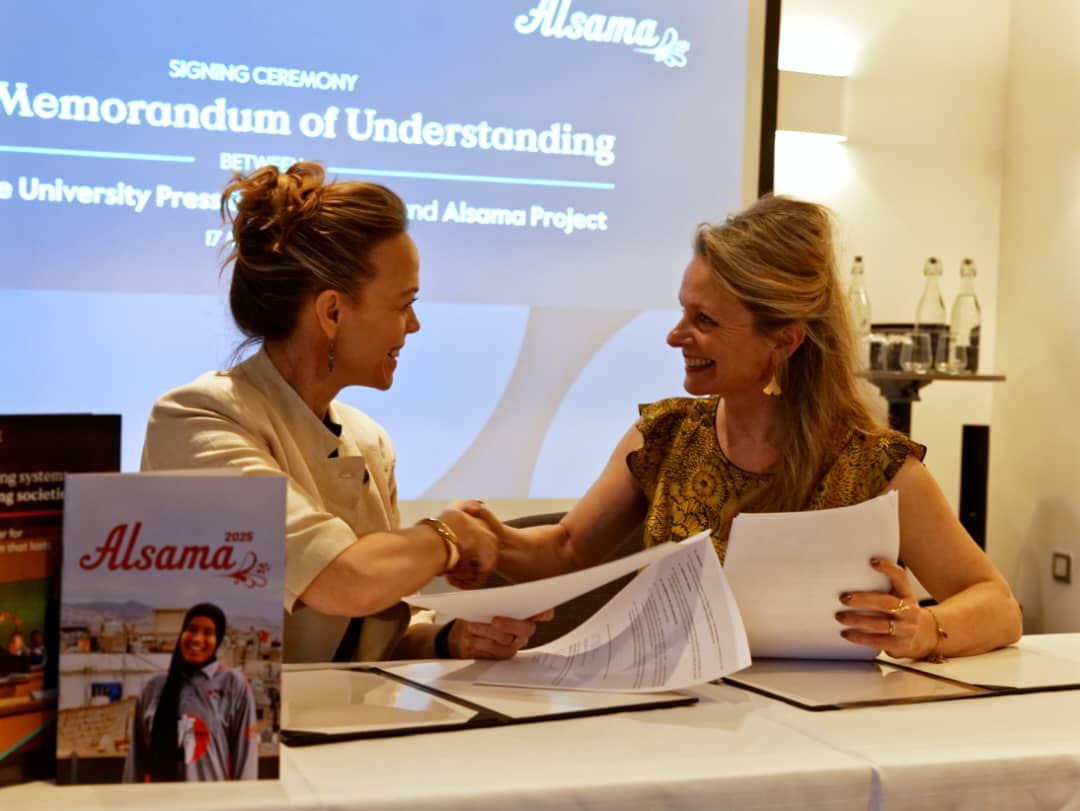
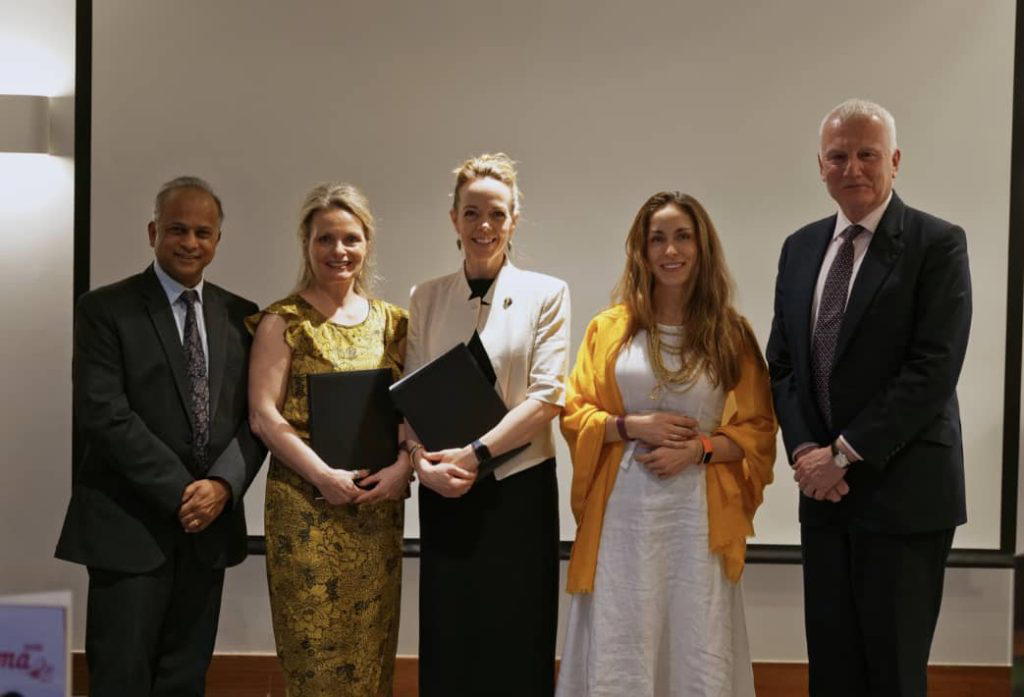
Cambridge University Press & Assessment (Cambridge) and NGO Alsama Project have signed an agreement during the Education World Forum to collaborate on a new qualification for refugees and displaced young people that can be rolled out in Nigeria and worldwide.
The newly proposed G12++ qualification seeks to address the educational crisis faced by displaced youth who are often excluded from conventional university pathways and vocational training. Designed to provide a recognised and credible alternative, the G12++ aims to create viable pathways to higher education and employment opportunities.
During the signing ceremony, which was attended by senior representatives from UNESCO and the UK Foreign, Commonwealth & Development Office, Jane Mann, Managing Director of Partnership for Education at Cambridge, emphasised the urgent need for this initiative.
“In times of conflict, education is often one of the first casualties. The global education crisis caused by forced displacement is escalating due to climate change and conflict,” Mann stated. “Through our partnership with Alsama Project, we aim to help young people reclaim their futures with a qualification that opens doors to universities and vocational programs.”
The G12++ also promises to engage and collaborate with universities, employers, and policymakers worldwide to enhance its recognition and implementation. Mann expressed a hopeful vision: “What began as an idea in a Lebanese refugee camp has the potential to transform the life chances of millions of refugees and displaced youth globally.”
Co-Founder and CEO of Alsama Project, Meike Ziervogel, heralded the partnership as a significant milestone for displaced youth. “For millions who have been told their education doesn’t count, the G12++ represents recognition and opportunity,” she remarked. “Cambridge’s longstanding reputation in assessing academic rigour validates the quality of a qualification developed within a refugee camp. It signals that the barriers to education are not due to ability, but rather a lack of recognition.”
Wissal Al-Jaber, a refugee student who fled Syria to Lebanon at the age of nine, shared her story to highlight the importance of such recognition. “Having survived war more than once, I held on to my education because I believe it will protect my future. The G12++ gives me hope and opportunities to demonstrate my capabilities,” she said. “I dream of studying psychology, turning my experiences into strengths for a better future.”
The initiative is also receiving strong support from academia. Professor Bhaskar Vira, Pro-Vice-Chancellor for Education and Environmental Sustainability at the University of Cambridge, remarked, “As a University of Sanctuary, we are committed to supporting displaced individuals. The G12++ qualification not only empowers these youth but demonstrates that high-quality assessment for marginalised learners is both achievable and replicable worldwide.”
Patrick Derham, G12++ Advisor and Former Headmaster of Westminster School, added, “The G12++ offers a critical part of the multi-faceted solution to the barriers that disadvantaged youth face. By providing an internationally recognised qualification that is curriculum-agnostic, we can unlock incredible potential in youth who are otherwise excluded.”
The G12++ initiative represents a significant step forward in redefining educational opportunities for displaced youth and hopes to inspire similar efforts around the globe, ultimately paving the way for a future where every young person has the chance to pursue their dreams.
Disclaimer
Comments expressed here do not reflect the opinions of Vanguard newspapers or any employee thereof.