By Juliet Ebirim
Renewable energy stakeholders on Thursday warned that Nigeria’s current electricity expansion plans remain far below what is required to drive industrialisation, despite fresh efforts to unlock billions of dollars in clean energy financing.
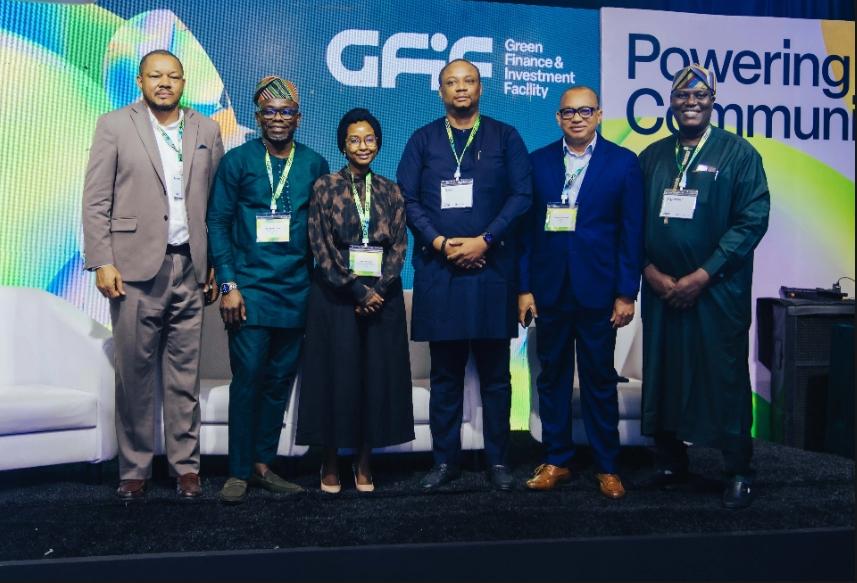
This was highlighted at the launch of the Green Finance and Investment Facility (GFIF) in Lagos, a financing platform aimed at attracting private-sector investment into renewable energy projects and improving electricity access across the country.
Speaking at the event, Senior Partner at Barton Heyman, Mr. Anthony Oluwaseun Feyitimi, said Nigeria would need at least 100 gigawatts of electricity generation capacity to support meaningful economic growth and industrial development.
He said the 20-gigawatt renewable energy target projected under the new initiative over the next decade was only a starting point.
“For Nigeria to become a serious industrialised nation, we need at least 100 gigawatts of power. The 20 gigawatts we are talking about now is only a pilot phase,” Feyitimi said.
According to him, Nigeria has already secured about $1.3 billion in renewable energy financing through international programmes such as the Nigeria Electrification Project and the Distributed Access through Renewable Energy Scale-up programme, but many projects still fail to access funding due to lengthy approval procedures and overlapping due diligence requirements from financial institutions.
“The problem is not necessarily the absence of funding. There is money everywhere, but the challenge is getting the money to the projects,” he said.
The initiative is targeting $40 billion in investments over 10 years and is expected to focus heavily on rural electrification and underserved communities lacking reliable electricity supply.
Special Adviser to the Lagos State Government on Climate Change and Circular Economy, Titilayo Oshodi, said reliable electricity remained essential for economic inclusion and climate resilience, adding that climate finance in Nigeria must move beyond policy discussions toward investment-ready projects capable of attracting long-term capital.
She described the platform launch as a major step forward. “What we are witnessing here today is not just the launch of a financing platform, it is the activation of a system designed to deliver impact at scale,” Oshodi said.
The initiative will focus on reducing investment risks in renewable energy projects and accelerating clean energy deployment across Nigeria.
Disclaimer
Comments expressed here do not reflect the opinions of Vanguard newspapers or any employee thereof.