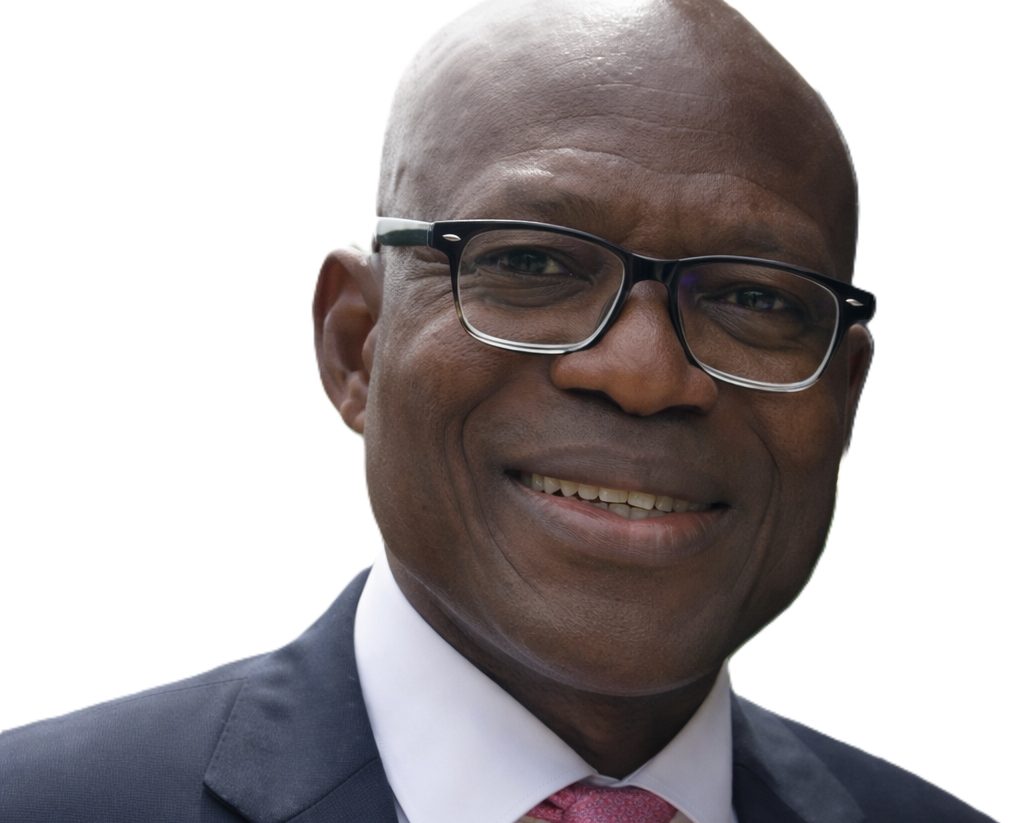
Energy analyst, Daniel Dayo Kunle, has advised the Nigerian government against adopting the economic recommendations by the World Bank to reopen petrol importation into the country, noting that such economic suggestions, just like many that the world financial body has given before, will rather amount to regression than being true economic reform that benefits Nigeria.
In a statement on Sunday, he said that reopening fuel importation Nigeria is tantamount to ensnaring Nigeria in the very economic trap that the country has avoided when it adopted the policy of no fuel imports.
According to him, the recommendations from the World Bank should not even be entertained much less considered for adoption. He said Nigeria must be particularly cautious in entertaining any recommendations from the world Bank, reminding that Nigeria heeded the recommendations of the World Bank on fuel subsidy removal and FX liberalisation only for the consequences to be severe.
The statement reads thus:
“In April 2026, the World Bank repeated a familiar prescription, one of many that have never guided any developing nation toward genuine success. The pattern is predictable: a prescription, followed by confusion, and ultimately chaos. This time, it urged Nigeria to reopen petrol imports to moderate inflation. The argument was wrapped in technocratic language, but the message was unmistakable. Nigeria is being asked to return to the very trap that weakened its economy for decades. This recommendation is not reform; it is regression. It is unacceptable and should not even be entertained by Nigeria.
“Nigeria must be especially cautious about the World Bank’s longstanding neoliberal globalization doctrines, which dominated the 1980s through the early 2000s. These principles have now been significantly disrupted by a rising wave of economic nationalism, epitomised by President Trump’s aggressive tariff regimes. It is telling that the World Bank would never offer this kind of advice to China, Brazil, Indonesia, or the United States.
“Nigeria heeded the World Bank’s calls for FX liberalization and the removal of fuel subsidies, yet the consequences have been severe: rising poverty, social strain, and economic hardship, largely because the country lacks strong domestic production capacity. Nigerians supported those reforms because they seemed rational and necessary. Against this backdrop, it is baffling that the World Bank now recommends reopening Nigeria’s petroleum products market to foreign dumping. The contradiction is as striking as it is unacceptable.
“Nigeria’s history with fuel importation is a history of dysfunction. It produced chronic scarcity, inflated costs, a corrupt subsidy regime, and persistent foreign exchange crises. Every liter imported drained the nation’s reserves. Every spike in global crude prices delivered immediate economic pain. Import dependence was never a temporary inconvenience; it was a structural failure. I have analyzed, reviewed, and criticized these systemic flaws extensively in several of my previous writings. Through my experience in the oil and gas sector, I witnessed this rot from the front row, and I repeatedly advocated and pushed for reforms even when such efforts seemed futile.
“Today, however, Nigeria stands at the brink of a different future. The Dangote Petroleum Refinery has already begun reshaping the country’s energy landscape. Since fuel imports were curtailed, the refinery has become the primary source of petrol in Nigeria, significantly increasing domestic supply and expanding exports across Africa. This capacity is not theoretical. It is measurable and undeniable. The refinery confirmed producing 50 million liters of PMS in January, and by April, this output was estimated to have increased to around 70 million liters. The product is also of higher quality than what was previously imported.
“Allowing widespread fuel imports to return at this moment would not increase competition. It would destabilise a sector that is only now beginning to find its footing. The Dangote Refinery has stabilised domestic petroleum prices at levels s
“Furthermore, import dependence drains scarce foreign exchange, weakens the naira, and exposes the entire economy to global volatility. Nigeria has already been warned that rising global crude prices, intensified by geopolitical tensions, could add roughly 3.1 percentage points to national inflation. The Dangote Refinery has helped stabilise the naira, with the exchange rate strengthening from over NGN 1,600 per US dollar to below NGN 1,400. Reopening fuel imports would exert renewed pressure on the currency, triggering depreciation and leading to cost‑push inflation.
“The World Bank’s recommendation focuses narrowly on theoretical competition while ignoring the consequences of undermining a strategic national industrial asset just as its benefits are beginning to materialise. The Dangote Refinery is not merely a fuel supplier; it is the anchor of a broader industrial resurgence. Aliko Dangote built Africa’s largest cement company. He built the continent’s largest fertilizer plant. He has established manufacturing footprints far beyond Nigeria, including significant operations in Ethiopia, where Dangote Cement stands as one of the largest producers and employers. These enterprises transformed entire value chains, reduced imports, strengthened domestic supply, and created industries that now serve multiple regional markets.
“Nigeria’s own experience in cement is deeply instructive. Dangote Cement eliminated Nigeria’s dependence on imported cement by building robust local capacity. Beyond Nigeria, the company replicated this achievement in countries such as Ethiopia, Zambia, and Senegal. The same transformation is underway in the fertilizer sector, where Nigeria is emerging as a continental hub through the Dangote Fertilizer Plant. If Nigeria reopens fuel imports now, it will effectively sabotage its opportunity to replicate this success in the petroleum sector.
“It is particularly ironic that the author of the World Bank report is from Ethiopia, a country where the Dangote Group is currently conducting surveys to identify a suitable site for a petroleum products tank farm and pipeline infrastructure to support Ethiopian energy security. The World Bank, by contrast, has not undertaken any comparable project to strengthen Africa’s energy capacity in more than four decades. It is therefore unsurprising that the institution’s influence continues to diminish across developing nations. If the World Bank had been asked to recommend investment in the Dangote Refinery during its inception, it is highly likely it would have declined. One must hope that this recommendation is not part of a coordinated effort, aided by local collaborators, to push Nigeria backward, as occurred with the collapse of the textile, automobile, and agricultural industries.
“The refinery is already exporting to Ghana, Togo, Cameroon, Tanzania, and other markets, and several African governments, including South Africa, are pursuing long‑term supply contracts. This is not dominance; it is integration. It represents a gravitational pull toward Nigerian industrial capacity. There is no scenario in which Nigeria enhances its economic sovereignty by sidelining its own refiners in favour of foreign suppliers.
“The argument that fuel imports will reduce inflation is shallow. It presupposes that cheaper fuel is available, that imported fuel is of comparable quality, and that the long‑term costs of sustaining import dependency are justified by short‑term relief. Fuel imports not only transmit global shocks directly into the domestic economy, but they also place permanent pressure on foreign exchange reserves and weaken the naira. Even the World Bank’s own report acknowledged that recent price spikes were driven by global tensions, not domestic constraints. Reopening imports would simply import these shocks wholesale.”
Disclaimer
Comments expressed here do not reflect the opinions of Vanguard newspapers or any employee thereof.