By Joseph Erunke, Abuja
Nigeria’s fight against HIV/AIDS is at a critical juncture, as religious leaders and people living with HIV have called for urgent access to breakthrough prevention and treatment options, including long-acting injectables, while demanding an end to stigma and weak health systems.
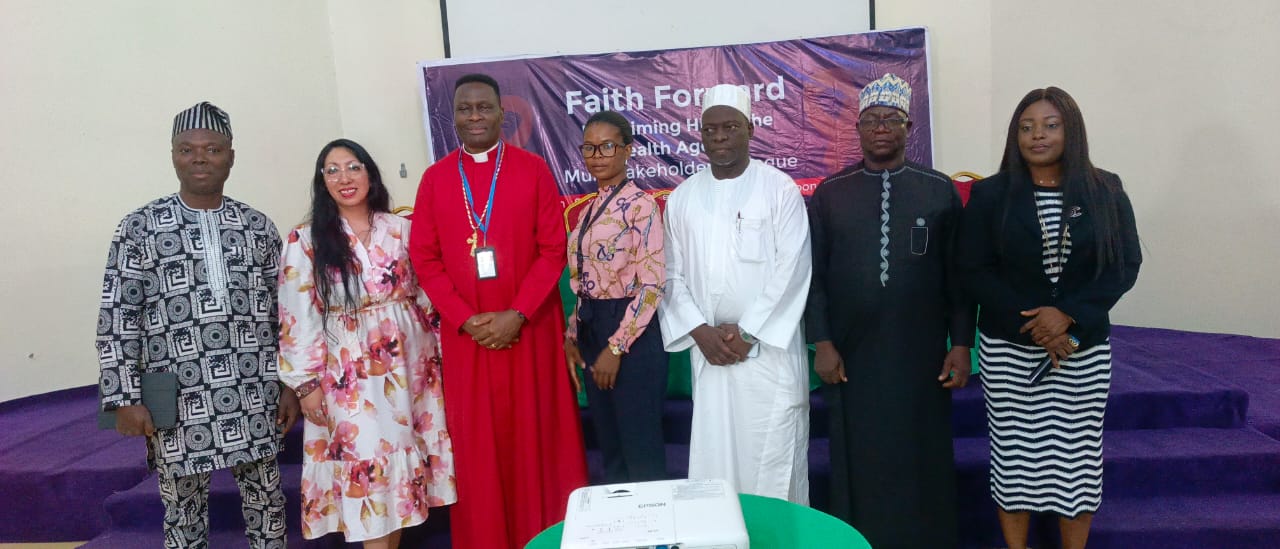
This was the focus of a high-level multi-stakeholder dialogue themed “Faith Forward: Reclaiming HIV in the Health Agenda,” convened by the World Council of Churches in partnership with NINERELA+ and supported by ViiV Healthcare.
Presenting a communiqué at the end of the meeting, the Immediate Past President of the Church of Nigeria, Most Revd. Benebo Fubara, warned that the country’s HIV response is under threat from declining global funding, persistent discrimination, and systemic gaps in healthcare delivery.
He noted that despite major scientific breakthroughs capable of transforming HIV prevention and treatment, access remains limited and uneven.
“We are at a crossroads where innovation exists, but access is not guaranteed,” he said, citing about 48,000 new infections recorded in Nigeria in 2024 and 1.3 million globally.
Fubara stressed the need to integrate HIV services into primary healthcare, expand equitable access to new technologies, and increase domestic funding to sustain progress.
He also called for stronger collaboration among government, faith-based organisations, and development partners to prevent a rollback of gains made over the years.
Religious leaders at the meeting took a strong stance against stigma, describing discrimination as a major barrier to testing, treatment, and care.
The National Chief Imam of Al-Habibiyyah Islamic Society, Imam Fuad Adeyemi, urged Nigerians to reject prejudice against people living with HIV, noting that modern medicine has made it possible for affected individuals to live healthy and productive lives.
Participants highlighted the influential role of faith institutions in shaping public attitudes, urging religious and traditional leaders to promote compassion, inclusion, and awareness.
Voices from affected communities also featured prominently. Speaking on behalf of the International Community of Women Living with HIV West Africa, Oluchi Ndubuisi called for collective action to ensure services are accessible and inclusive, stressing that no one should be left behind.
Stakeholders warned that Nigeria risks missing out on the benefits of cutting-edge HIV innovations if urgent steps are not taken to bridge the gap between scientific progress and healthcare access.
The dialogue ended with a renewed commitment from faith leaders and community groups to work with government and partners to advance a coordinated response, including the development of a joint action plan focused on equity, justice, and sustainable, community-led HIV prevention and care.
As the country confronts rising vulnerabilities, particularly among young people, participants agreed that only a united, science-driven and inclusive approach can turn the tide against the epidemic.
Disclaimer
Comments expressed here do not reflect the opinions of Vanguard newspapers or any employee thereof.