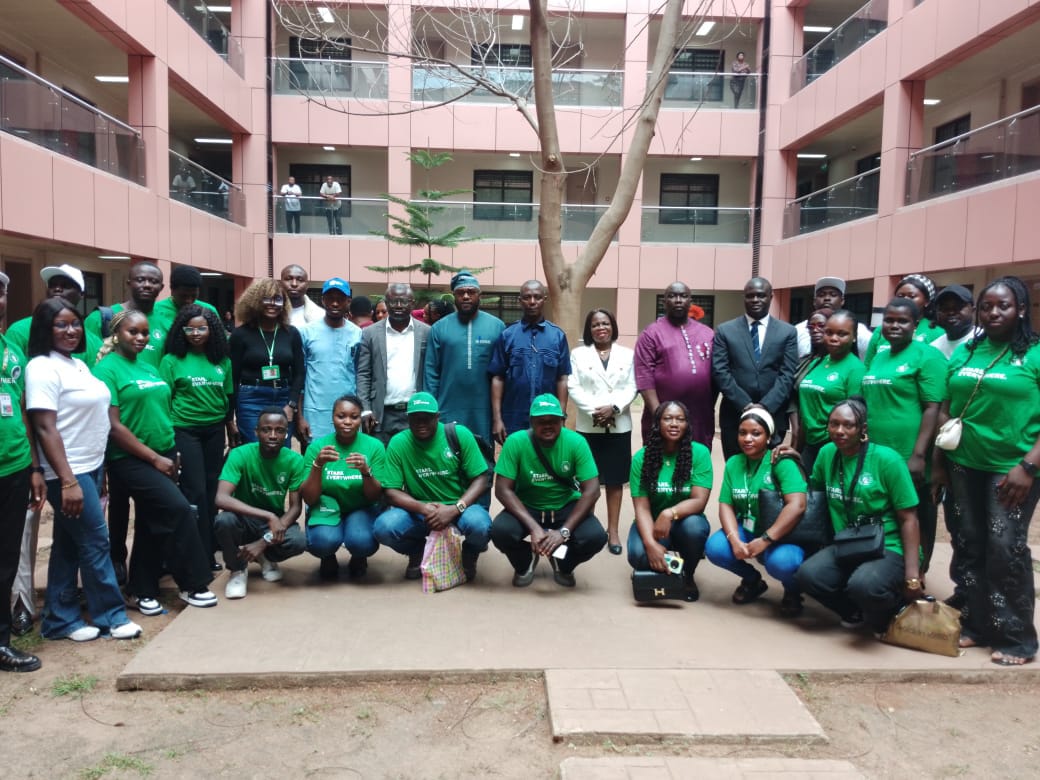
…as National Health Fellows graduate, new cohort begins
The Delta State Government has reaffirmed its commitment to strengthening healthcare delivery and advancing national health outcomes, as the state marked the graduation of Cohort 1.0 of the National Health Fellows Programme and formally onboarded Cohort 2.0.
The ceremony, held at the Prof. Chike Edozien Secretariat, brought together key stakeholders from across Nigeria’s health sector, including representatives of government institutions, development partners, and public health professionals, underscoring a shared national resolve to transform primary healthcare delivery.
The Commissioner for Health, Dr. Joseph Onojaeme, described the event as a defining moment not only for Delta State but for Nigeria’s broader health system strengthening efforts.
He noted that the graduation ceremony symbolised both a celebration of excellence and a renewed commitment to building a more responsive, resilient, and people-centred healthcare system nationwide.
Represented by the functioning Permanent Secretary of the Ministry, Dr. Uche Okwe, the Health Commissioner said that the health fellows of Cohort 1.0 demonstrated exceptional dedication, professionalism, and resilience during their deployment across various local government areas, where they contributed significantly to grassroots health interventions and policy implementation.
“Their contributions reflect the evolving priorities of Nigeria’s health sector—particularly the emphasis on data-driven decision-making, youth participation in public health leadership, and enhanced coordination across all tiers of government,” he stated.
Dr. Onojaeme further highlighted that the fellows’ interventions have supported ongoing efforts to reduce maternal and infant mortality—key indicators in Nigeria’s health development agenda, while strengthening community-based healthcare systems.
He acknowledged the critical role of strategic partners, including the Federal Ministry of Health, the Sector-Wide Approach Coordination Office, and the World Health Organization, alongside other development agencies, for their sustained technical, financial, and policy support.
The Commissioner paid tribute to the mentors whose guidance, he said, was instrumental in shaping the competence, leadership capacity, and field impact of the graduating fellows.
While congratulating the graduating Cohort 1.0, the Commissioner, on behalf of the Governor of Delta State, Sheriff Oborevwori, reaffirmed the government’s commitment to supporting their continued professional growth.
He also welcomed Cohort 2.0, encouraging them to embrace the fellowship as a transformative pathway into health leadership and national service.
In his welcome address, the Delta State SWAP Coordinator Dr. Aghogho Oyawiri, described the fellowship as a strategic national intervention designed to address healthcare disparities across Nigeria’s 774 local government areas.
He noted that fellows were deployed to identify context-specific challenges and implement sustainable, community-driven solutions.
He highlighted several impactful initiatives executed over the past year, including the provision of boreholes, community health outreach programmes, and other interventions that have improved access to basic healthcare services at the grassroots level.
Dr. Oyawiri commended both the outgoing and incoming cohorts for their commitment, urging them to sustain the momentum and deepen their impact in advancing health outcomes across the country.
Goodwill messages were also delivered by the representative of the World Health Organization, Dr. Ibrahim Salisu, who commended the initiative as a strategic investment in Nigeria’s health workforce and systems strengthening.
He emphasized that the National Health Fellows Programme aligns with global best practices in building resilient health systems through capacity development, community engagement, and evidence-based interventions.
In his vote of thanks, the Executive Secretary of the Delta State Primary Health Care Development Agency, Dr. Paul Yinkore, expressed profound appreciation to all development partners, stakeholders, and implementing teams whose collective efforts ensured the success of the programme.
He acknowledged the invaluable technical and financial contributions of partners, as well as the dedication of mentors and fellows, noting that their synergy has significantly strengthened primary healthcare delivery at the grassroots level.
Miss Onomuakpokpo Immaculate and Miss Emudianughe Prudence who spoke respectively on behalf of the health fellows, expressed profound appreciation to mentors and partners for their guidance and support, pledging to sustain and expand the impact of the programme beyond the fellowship.
The event marks a significant step in Nigeria’s ongoing efforts to build a new generation of health leaders equipped with the skills, experience, and vision required to strengthen primary healthcare systems and improve the wellbeing of citizens across the country.
Disclaimer
Comments expressed here do not reflect the opinions of Vanguard newspapers or any employee thereof.